
Fire Protection for Restaurants
Commercial kitchens combine open flame, hot oil, and grease-laden exhaust in a small footprint — a combination that behaves differently than an ordinary office or retail fire and needs protection designed specifically for it. A grease fire in a fryer or on a cookline can flare up in seconds and spread through exhaust ductwork if it isn't contained at the source, which is why kitchen fire protection is treated as its own category rather than an extension of general building fire safety.
Request A Quote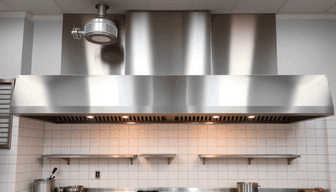
Services Restaurants Relies On
Systems & design
NFPA 96 governs ventilation control and fire protection for commercial cooking operations, covering exhaust hoods, ductwork, and the wet chemical suppression systems installed over cooking equipment. Those suppression systems are designed to detect heat at the appliance, automatically discharge an agent formulated for grease fires, and shut off fuel or power to the equipment at the same time — a different mechanism than a standard sprinkler head, and one that requires its own dedicated inspection and service schedule to stay reliable.
Coverage across the building
Kitchen suppression doesn't replace the rest of a restaurant's fire protection — it adds to it. Dining rooms, storage areas, and back-of-house spaces still need standard fire alarm coverage, and portable extinguishers rated for both ordinary combustibles and grease fires need to be placed where staff can reach them quickly. Emergency lighting matters as much in a restaurant as anywhere else, since a kitchen fire can trigger a power shutdown right as staff and diners are trying to find the exit.
Staying inspection-ready
Because a working kitchen means grease and heat exposure every single service, hood and suppression systems in particular need more frequent professional attention than a comparable system in a lower-hazard occupancy. Staff training also carries extra weight in a restaurant: the people standing closest to a kitchen fire when it starts are often line cooks, not building management, so knowing how to respond in the first few seconds matters.