
Fire Protection for Multi-Family Housing
Apartment and condominium communities present a fire protection challenge that single-family homes don't: one unit's fire can threaten neighboring units, shared corridors, and common areas, all within a building where many occupants may be asleep or unfamiliar with the nearest exit. Fire protection here has to account for both individual units and the building as a shared system.
Request A Quote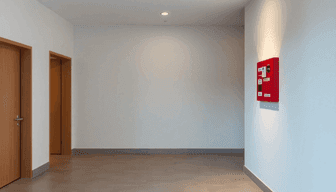
Services Multi-Family Housing Relies On
Systems & design
Fire alarm systems in multi-family buildings typically need to notify both the unit where an alarm originated and the broader building, since residents in other units need enough warning to evacuate even if the fire started somewhere they can't see or smell it themselves. Sprinkler coverage, where required, protects individual units and shared spaces alike — stairwells, corridors, laundry rooms, and parking structures all carry their own considerations alongside the living units themselves.
Coverage across the building
Emergency lighting and clearly marked exits matter throughout common areas — stairwells and corridors especially — since those are the paths every resident depends on regardless of which unit they live in. Extinguishers placed in accessible common locations, alongside working smoke alarms inside individual units, round out a layered approach that doesn't rely on any single system alone.
Staying inspection-ready
Because occupancy turns over regularly in rental communities, ongoing inspection and maintenance carry extra weight: a system that was functioning correctly at one lease cycle needs to be confirmed still functioning at the next, rather than assumed. Property managers overseeing multiple buildings or communities benefit from keeping every building on the same current, documented inspection schedule.