
Fire Extinguisher Inspection Frequency Explained
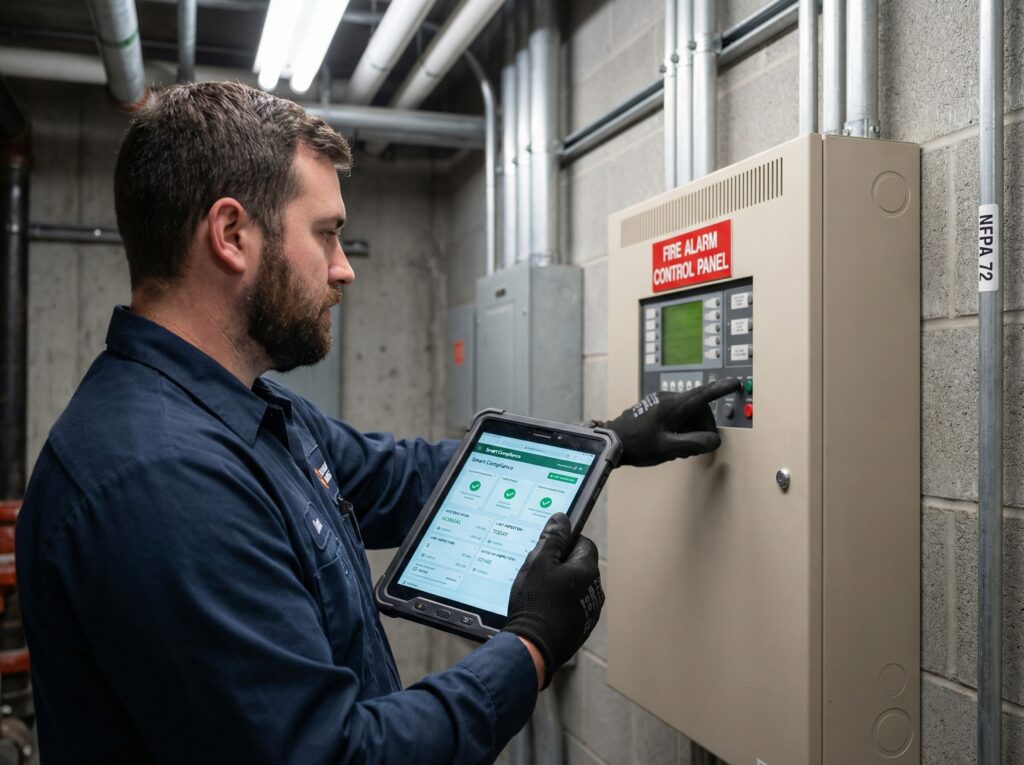
A quiet facilities office can turn urgent in a heartbeat. Learn how often fire extinguishers must be inspected, what the rules require, and why safety matters.
Fire Alarm System Deficiencies Inspectors Flag
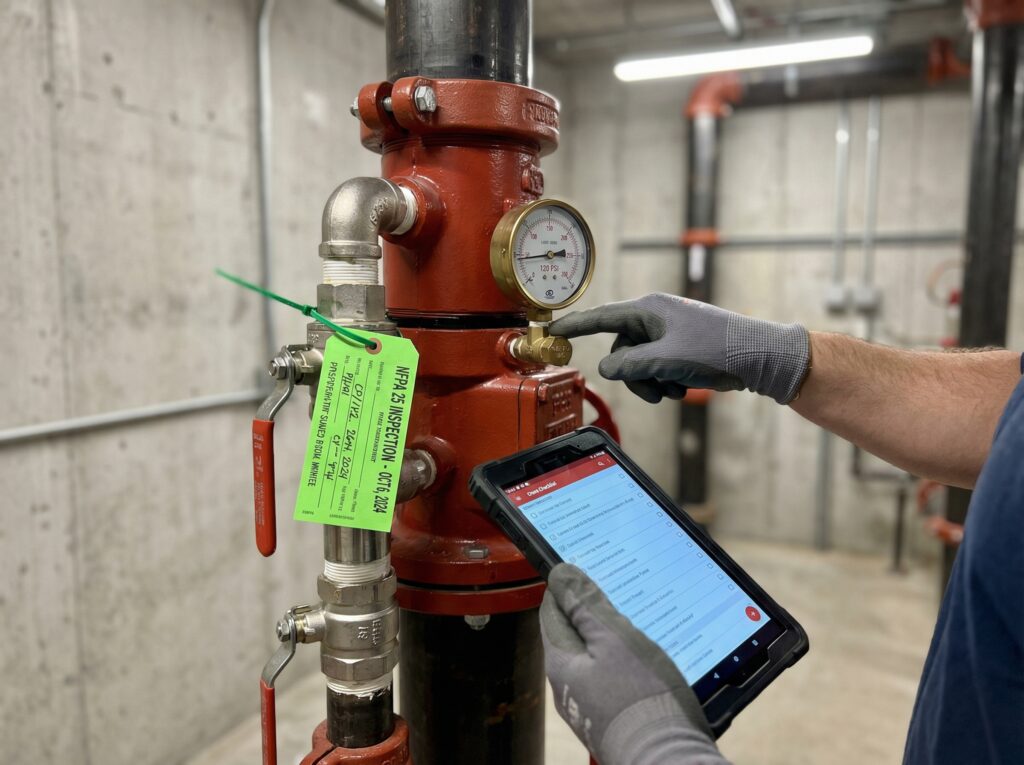
A midsize hospital receives the yearly fire alarm inspection report flagging unresponsive initiating devices and outdated firmware, raising regulatory concerns.
How We Installed Code-Compliant Exit Lights in 48 Hours
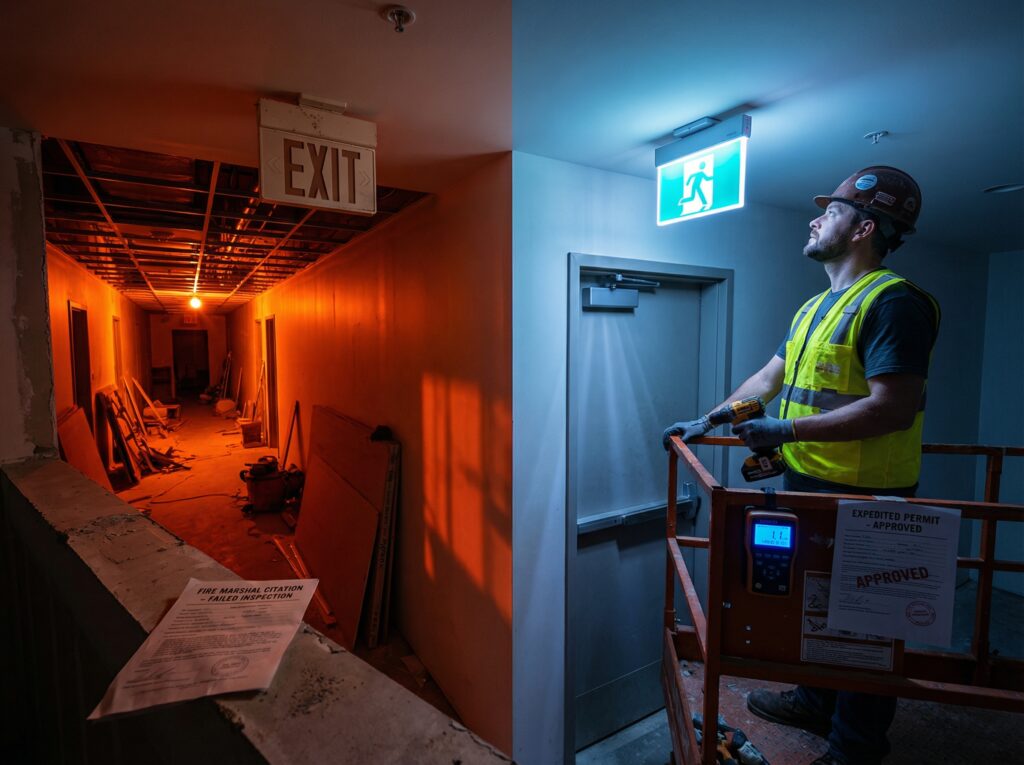
Emergency lighting installation typically requires 1-2 weeks, but 48Fire achieves code-compliant installation in 48 hours for urgent needs like citations or pending occupancy certificates. This rapid delivery relies on a systematic, hour-by-hour process. Critical success factors are: pre-positioned inventory for instant equipment availability, experienced certified teams, established relationships with Authorities Having Jurisdiction (AHJ) for permit expediting, and continuous project management. The process culminates in fire marshal inspection and certification, delivering functional, compliant systems on an emergency timeline.
How Extinguisher Service Can Reduce Incident Response Time
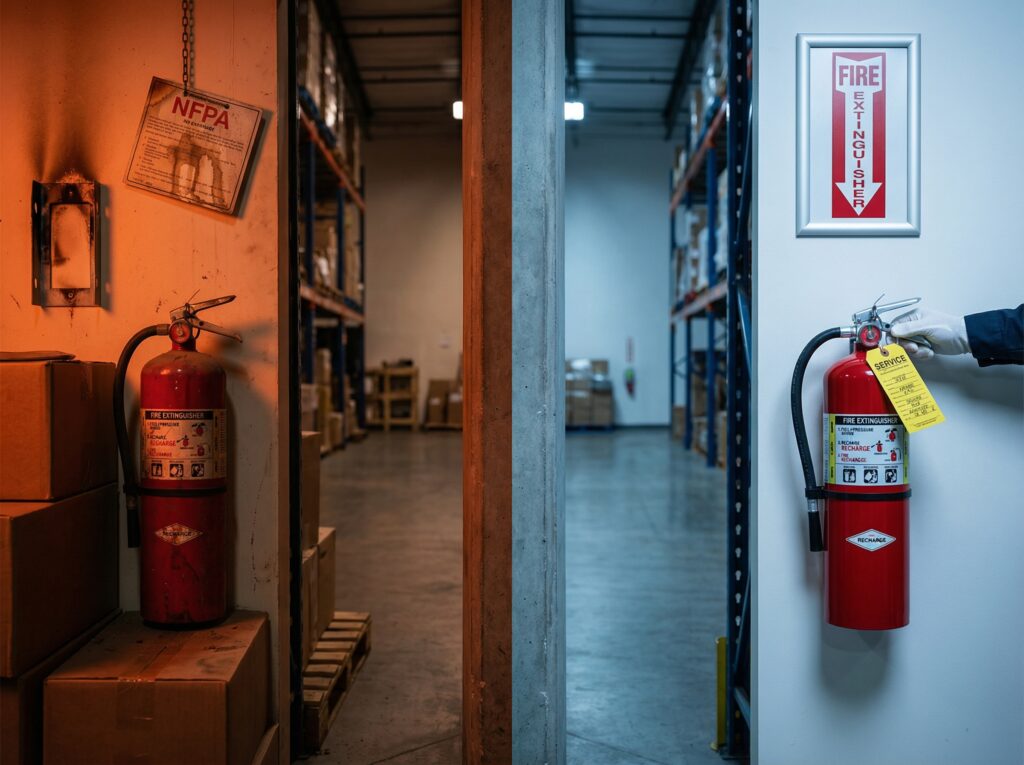
Systematic fire extinguisher service drastically reduces emergency response time, transforming incident outcomes. The total potential delay in an emergency can be 20-115 seconds. Proper service eliminates delays at three critical points: Equipment location, retrieval, and operational readiness. This is achieved through enhanced visibility, obstruction prevention, and monthly pressure verification. For example, service optimization can save 20-40 seconds on equipment location alone. The total potential response time improvement is a massive 75-177 seconds, often changing an incident from requiring fire department response to successful occupant control.
Fire Extinguishers in Multi-Tenant Buildings
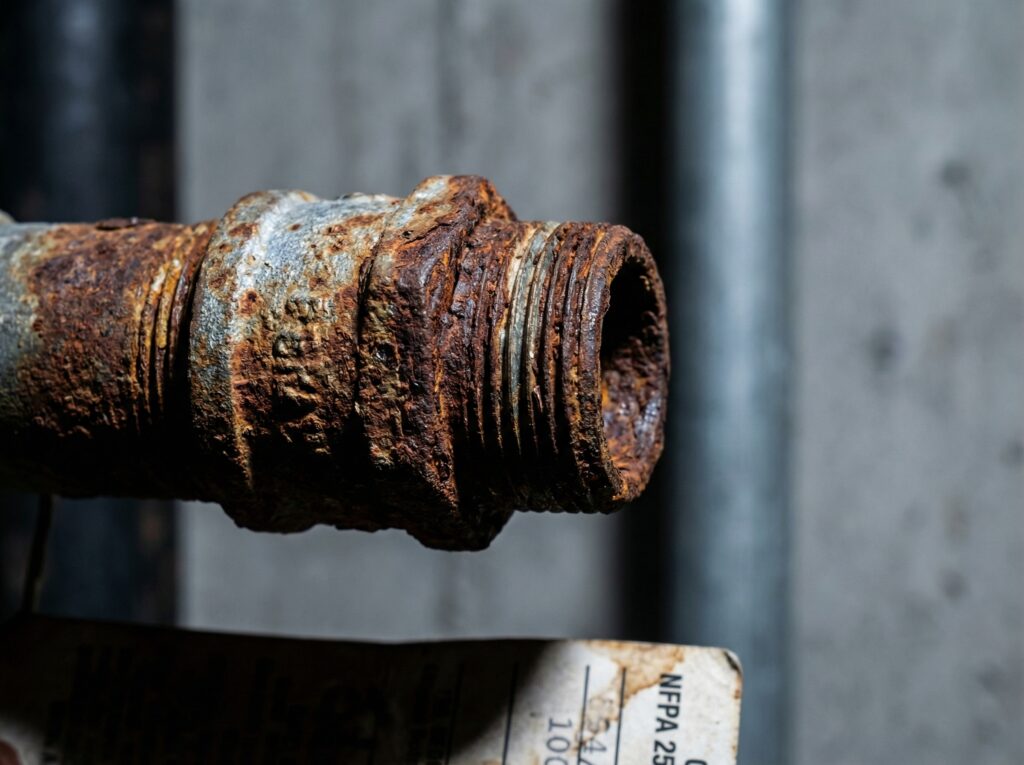
In multi-tenant buildings, who ensures every space has the right extinguishers, placed correctly, and maintained to code—before a costly disaster strikes?
The Checklist That Helps Commercial Buildings Meet Fire Protection Standards
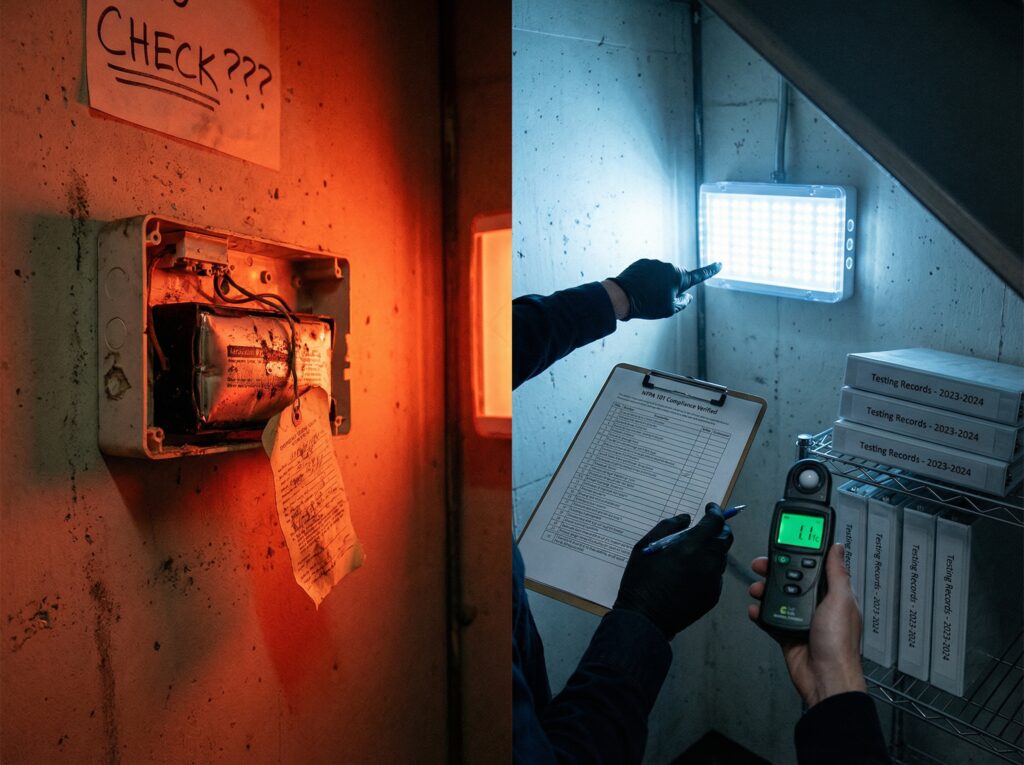
A systematic fire safety checklist is a visibility tool that moves facilities from “probably compliant” to “verified and documented.” It forces managers to measure what they have instead of operating on assumptions. Smoke detector spacing, emergency lighting illumination, and alarm audibility must be measured, tested, and documented. This structured approach reveals unknown problems, allows them to be fixed, and establishes ongoing maintenance systems, providing certainty that fire safety systems will work when people need them most.
How Preventive Fire Inspections Reduce Fire Risk in Facilities
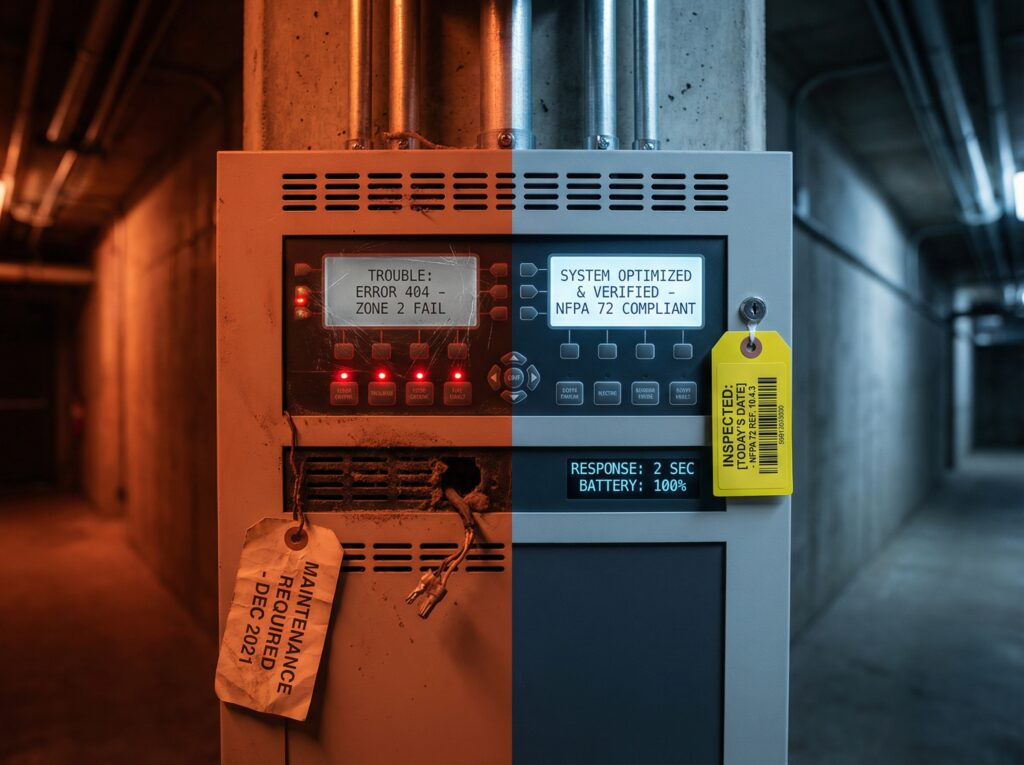
Preventive fire inspections function as essential risk assessment tools, quantifying and reducing fire risk by verifying detection system functionality before a fire occurs. They examine smoke detector placement, alarm audibility, battery backup, and integration with suppression and emergency lighting. This process ensures early detection, within 1-3 minutes, leading to immediate occupant alert and minimal property damage. Without inspection, functionality remains unknown, resulting in significant response delays and uncontrolled risk. Inspections transition a facility from unknown risk to measurably reduced and protected life safety.
The Night the Backup Lights Saved a Hospital Wing
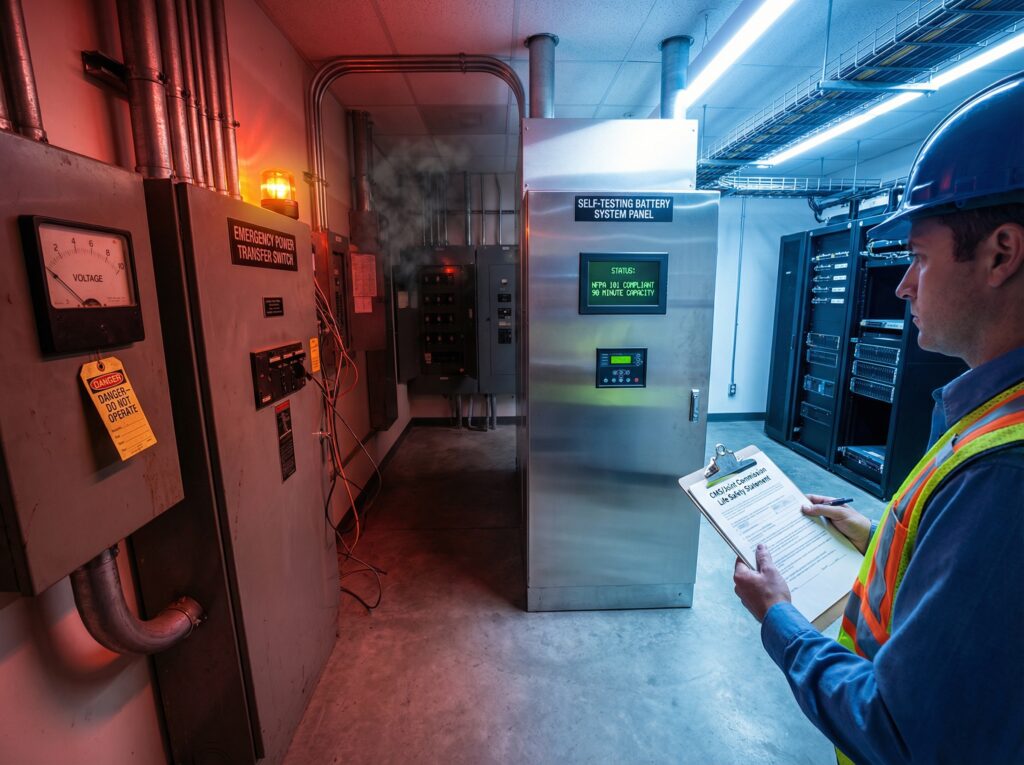
Backup emergency lighting is essential life safety infrastructure in healthcare, enabling patient care continuity during power failures. It immediately activates (<1 second) upon power loss, illuminating egress paths, patient care areas, and critical equipment. Its functions protect patient safety by ensuring safe horizontal evacuation, maintaining sterile fields for surgical suite safety, allowing for continuous critical patient monitoring in the ICU, and preventing medication errors by ensuring visibility for the "Five Rights" of administration. This system is crucial for meeting enhanced Joint Commission and CMS regulatory requirements for healthcare occupancy.
How One Facility Passed Its Lighting Test on First Try
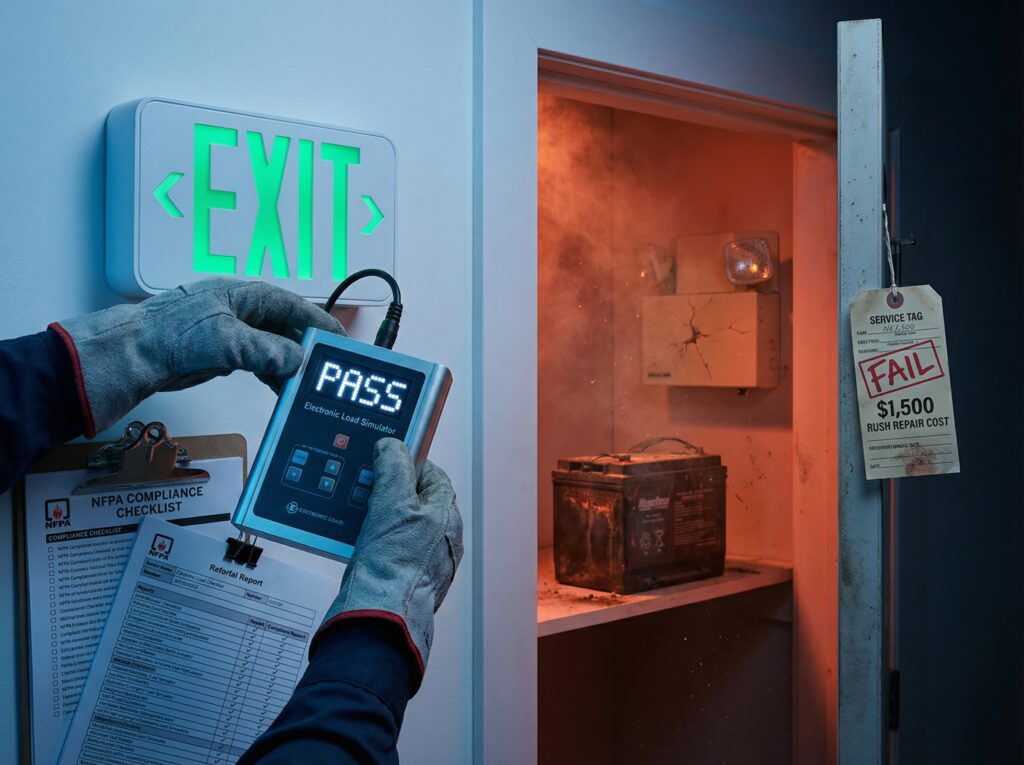
Emergency exit lighting success requires a proactive approach, moving beyond reactive testing. The First-Try Success Framework involves systematic 90-day preparation. Key steps include a Pre-Test Baseline Assessment (inventory, historical review), Systematic Monthly Verification (enhanced testing), and Proactive Deficiency Correction, such as replacing marginal batteries and lamps beforehand. Strategic Test Scheduling is also vital. This preventative method minimizes the risk of failure, resulting in immediate certification, which saves facilities 2-4 weeks in time and over $1,000 in potential re-testing costs compared to a reactive approach.
Fire Extinguisher Inspection Frequency: What U.S. Codes Require
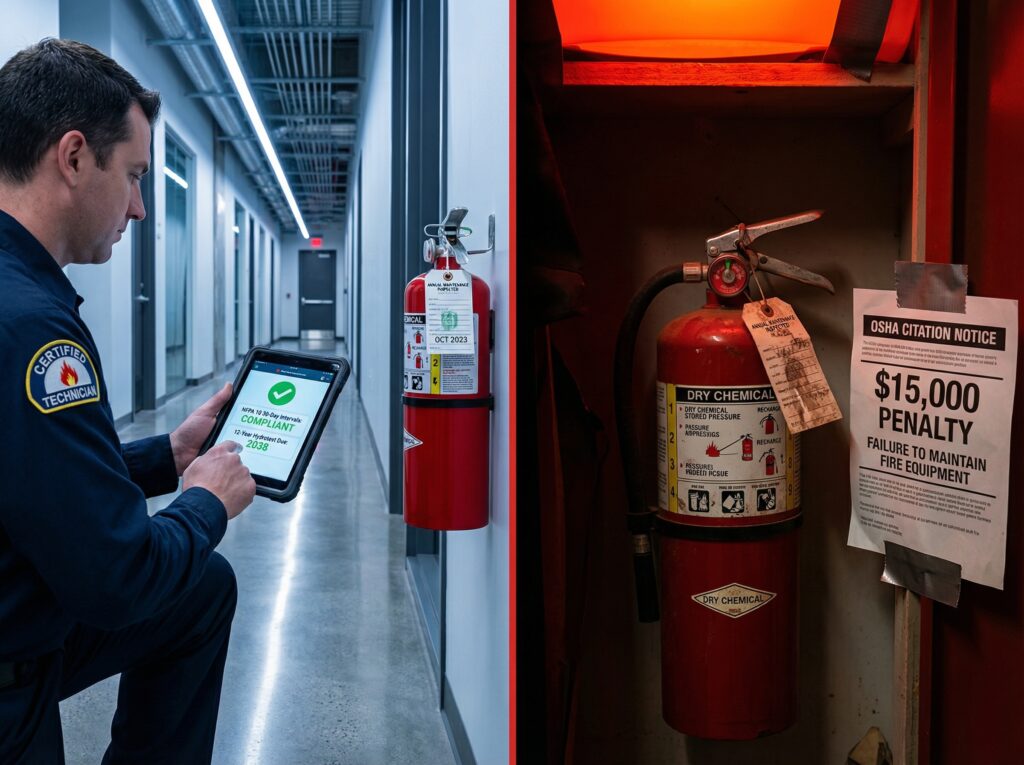
Fire extinguisher code compliance relies on OSHA, NFPA 10, and local codes. OSHA mandates monthly visual inspections and annual maintenance. NFPA 10 specifies inspections at approximately 30-day intervals and maintenance not exceeding 12 months. Crucially, NFPA 10 also mandates six-year internal examinations for some types, and hydrostatic testing every 5 or 12 years. Compliance requires tracking these multiple frequencies—monthly, annual, six-year, and periodic testing—and always implementing the most stringent local requirements to prevent violations.