
Fire Inspection Frequency by Building Type
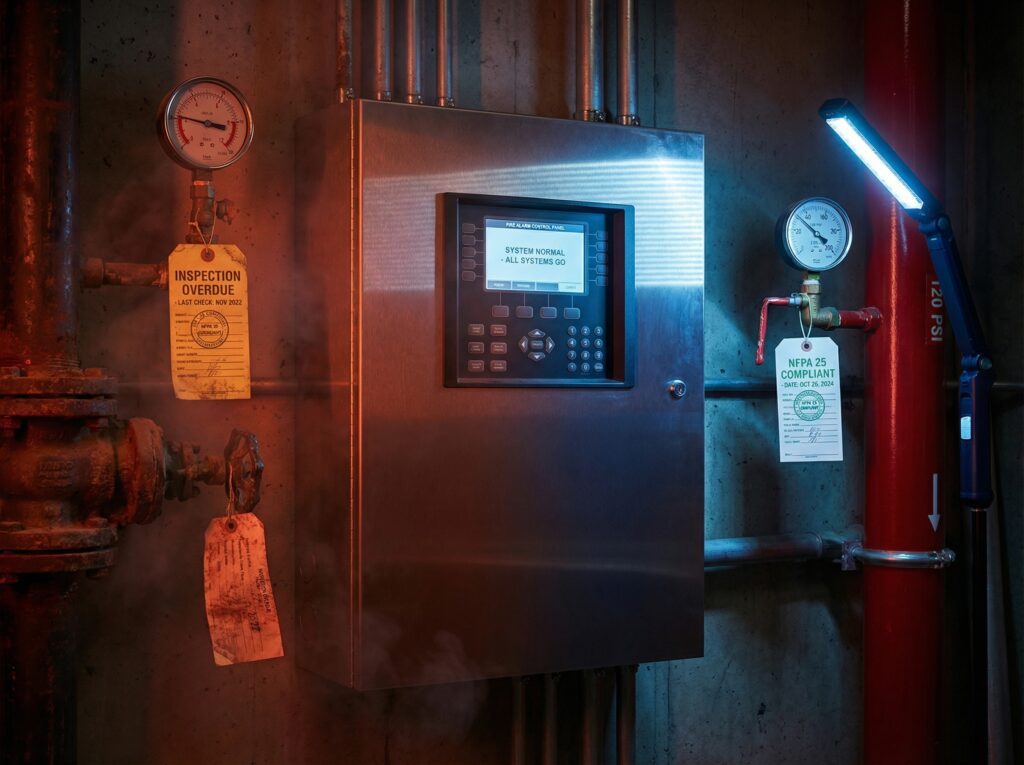
Fire protection isn’t one-size-fits-all: building type, occupancy, and installed systems drive how often inspections, testing, and maintenance are required.
Do Fire Inspectors Give Warnings or Immediate Citations
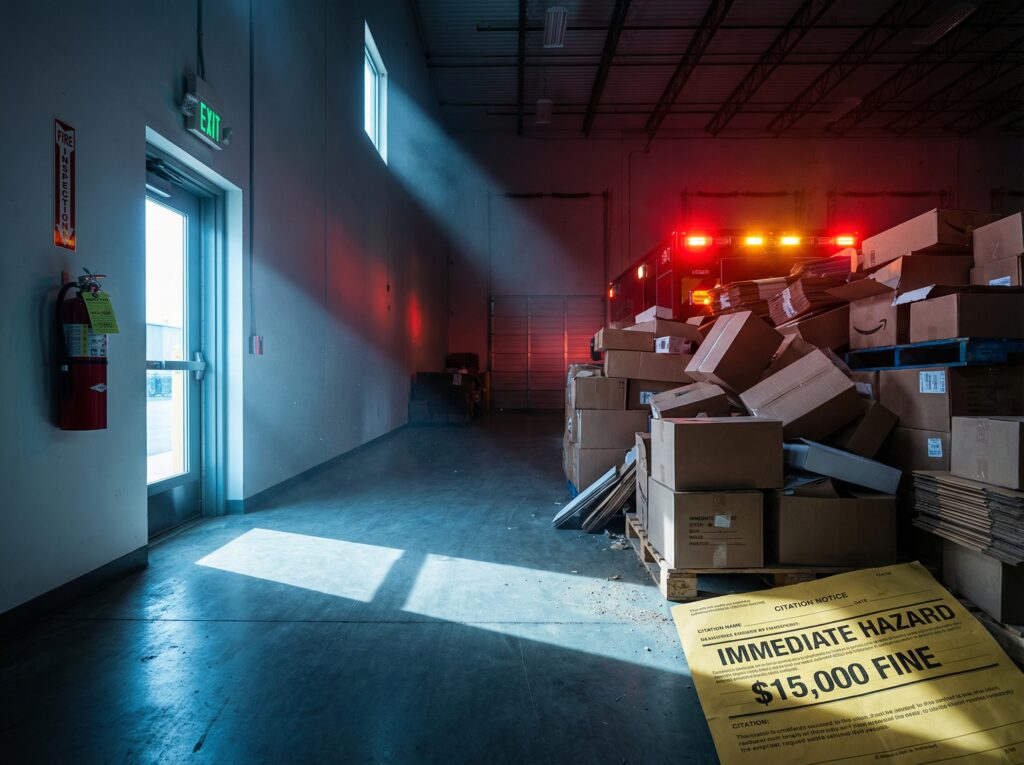
Do fire inspectors issue warnings or immediate citations? The answer hinges on jurisdiction, hazard severity, and enforcement policy, with real-world nuance.
What Every Supervisor Should Know About Fire Response
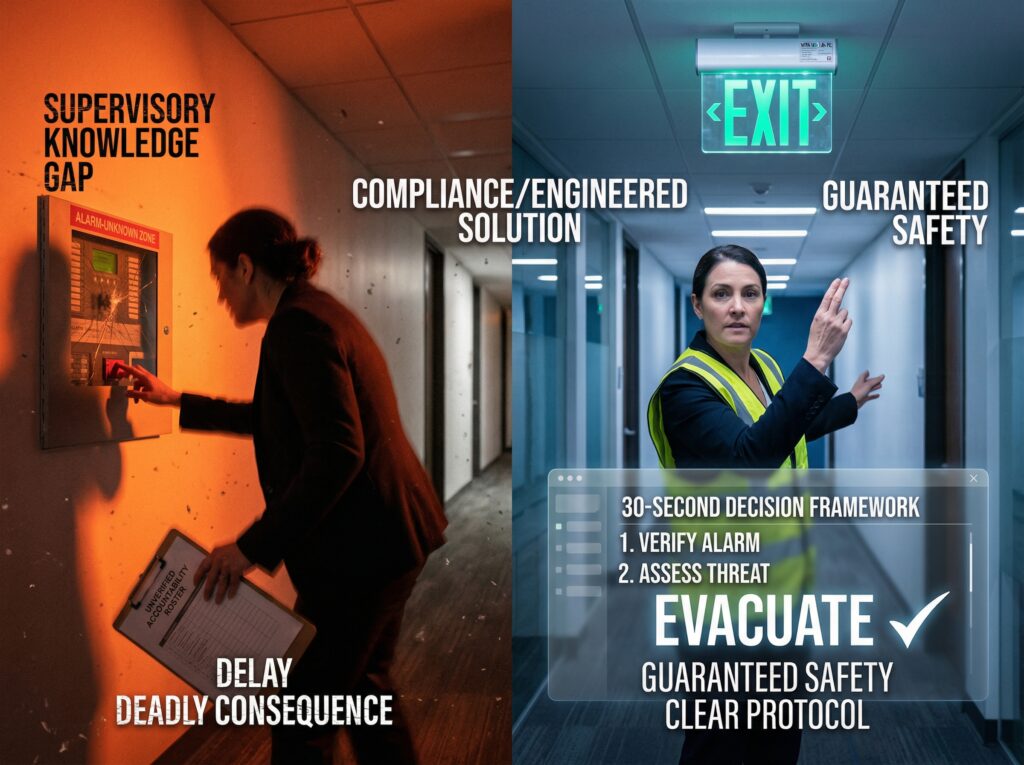
Supervisors hold a unique and critical position during fire emergencies, requiring specific knowledge beyond general occupant training. 48Fire Protection identified 12 essential areas, including clarifying authority, practicing the 30-Second Decision Framework for rapid choices, and ensuring team accountability. Supervisors must act as visible evacuation leaders, not investigators, and use clear communication. This specific training is vital to create competent, confident leadership, allowing supervisors to direct their teams effectively through knowledge-based action rather than hesitation. Annual refresher is key for knowledge retention.
The Lighting System That Improved Evacuation Time in a Facility
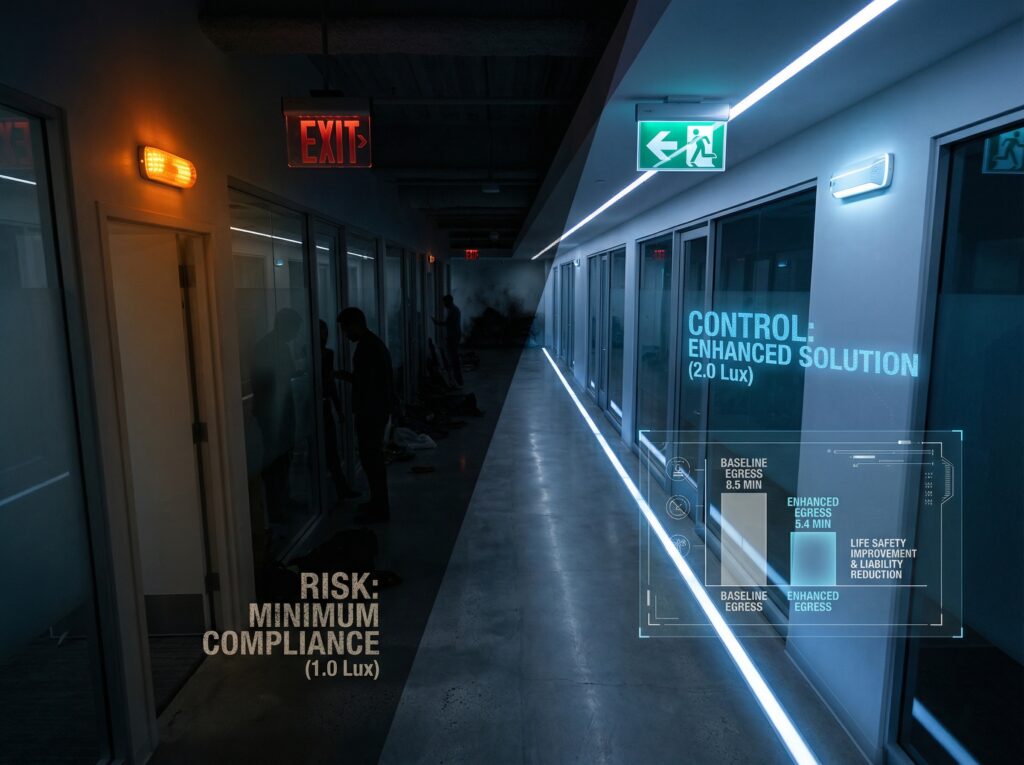
Enhanced evacuation lighting systems reduce egress duration 35-45% compared to minimum-code-compliant systems. This significant improvement is achieved through four systematic enhancements. Pathway Illumination Increase (12-18%) doubles minimum brightness to 2 lux for 45-50% faster movement. Exit Sign Optimization (8-12%) with the Green Running Man improves wayfinding by 62%. Emergency Light Density Increase (6-10%) and Smart Technology Integration (4-8%) ensure system reliability and occupant confidence, collectively reducing an 8.5-minute evacuation to 5.4 minutes.
Emergency Lighting Audits That Pass Every Inspection
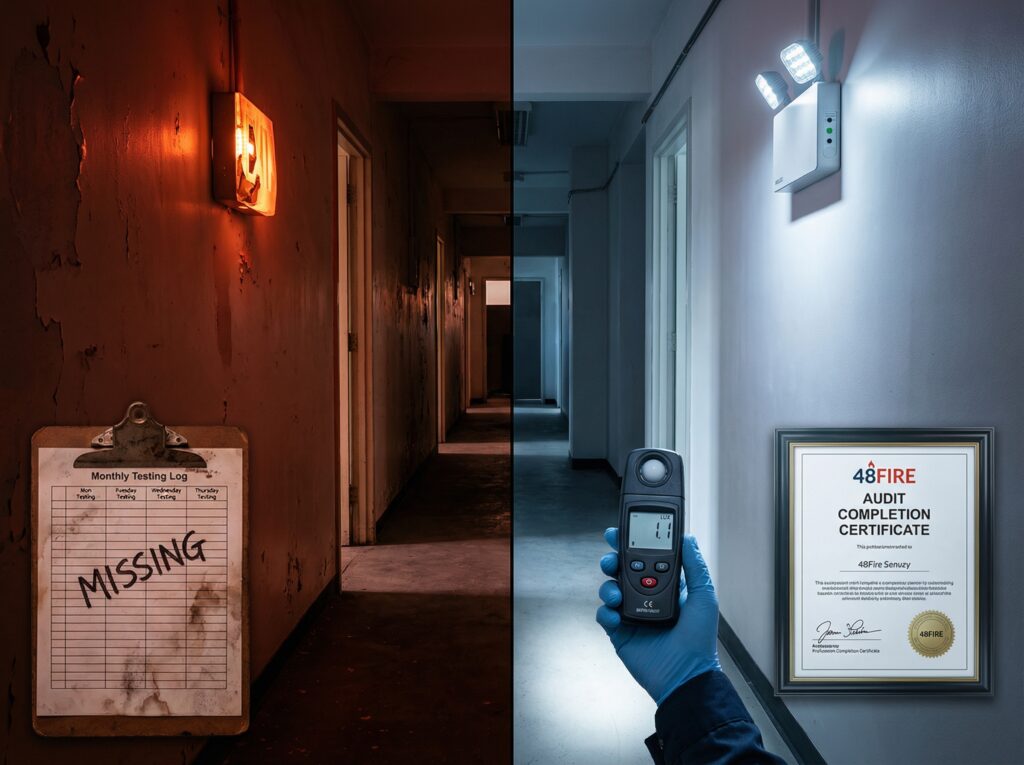
An emergency lighting audit is a comprehensive pre-inspection assessment that eliminates surprise violations, transforming inspection from a stressful unknown to confident verification. A complete audit, such as the 48Fire six-component assessment, includes a System Inventory, Functional Performance Testing (including 90-minute verification), Documentation Review, Code Compliance Verification (NFPA 101 and local codes), Deficiency Correction Planning, and Post-Correction Verification with a mock inspection. This systematic, proactive approach prevents costly OSHA penalties and ensures compliance readiness, resulting in clean fire marshal inspections and enhanced reputation.
Fire Protection During Business Expansion

A fast-growing distributor expanded from 40,000 to 120,000 sq ft, but the fire protection design wasn’t scaled for higher storage and mezzanines. Hidden risks.
3 Training Gaps That Lead to Costly Fire Violations
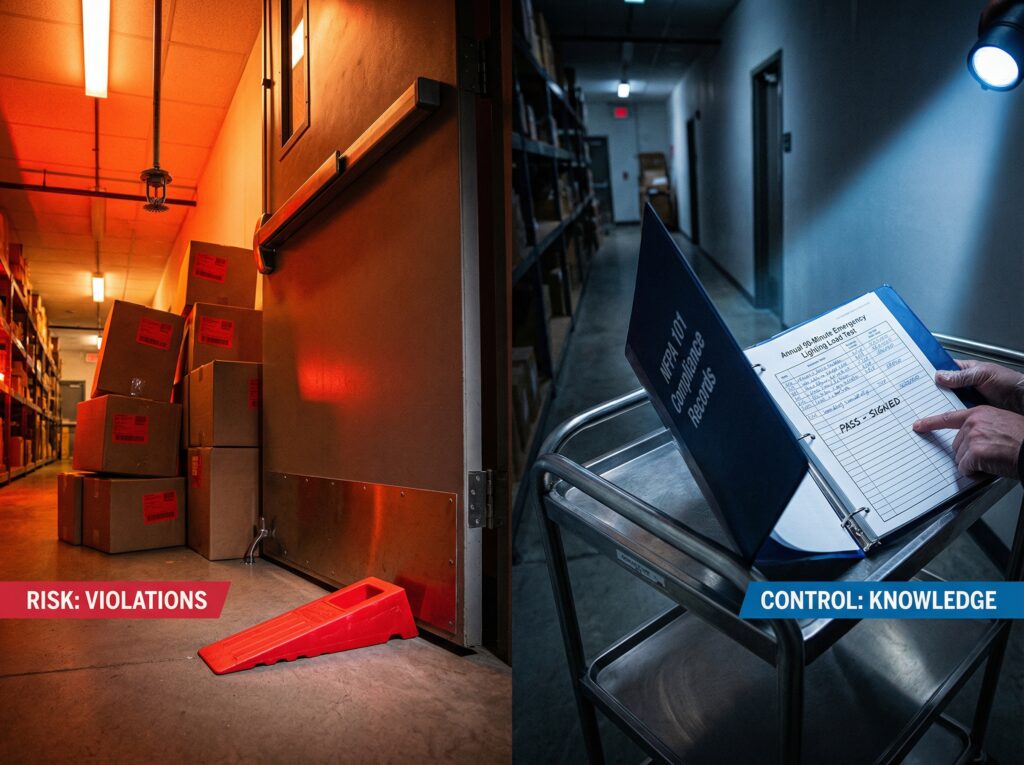
Fire code violations often stem from fire safety training gaps, not intentional non-compliance. An analysis of 200 citations revealed three common gaps: staff unaware of annual 90-minute emergency lighting load testing (43% frequency); misunderstanding fire door maintenance, leading to propped doors (38% frequency); and unrecognized combustible storage clearance violations near equipment like sprinklers and fire alarm panels (34% frequency). These knowledge deficiencies create unintentional violations costing $5,000-$25,000, which are preventable through targeted training for a fraction of the cost.
How Fire Protection Training Reduced Reaction Time in Emergencies
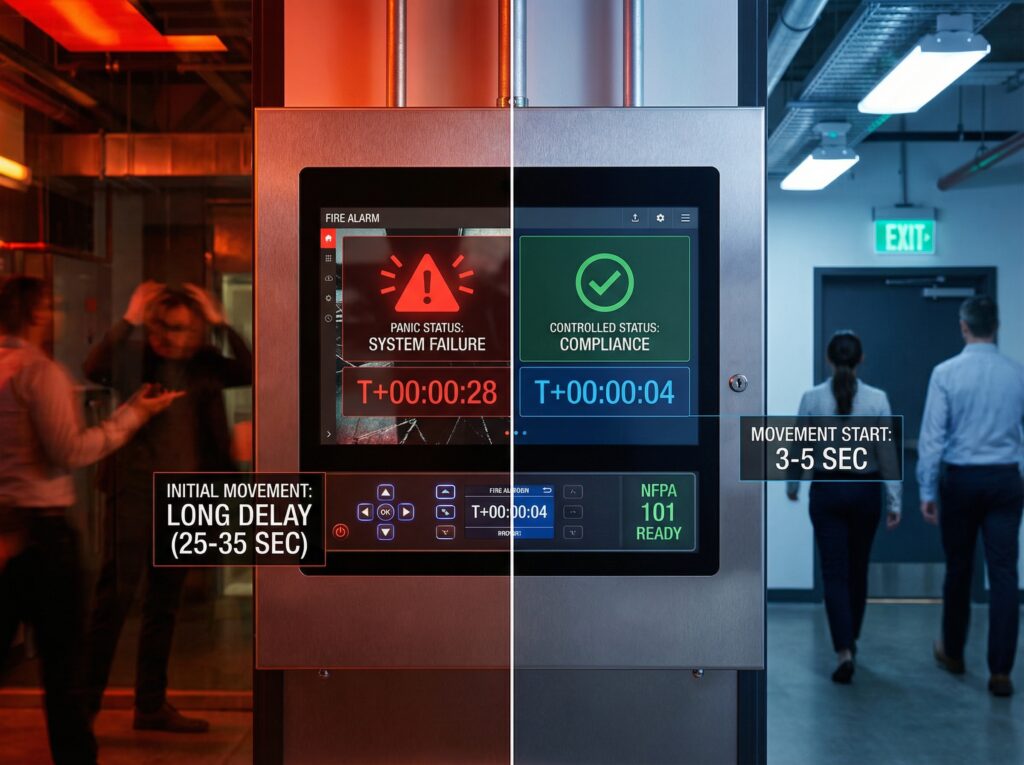
A study at a commercial facility demonstrated that fire protection training dramatically reduced emergency reaction time and improved overall evacuation speed. Pre-training, occupants took 25-35 seconds to begin moving after an alarm; this was reduced to a rapid 3-5 seconds post-training. The total evacuation time dropped from 12-15 minutes to 6-8 minutes. This acceleration is attributed to training creating automatic responses, changing the reaction from uncertainty to immediate, practiced action, proving that training is a critical life-saving investment.
The Fire Door Inspection That Exposed Hidden Hazards
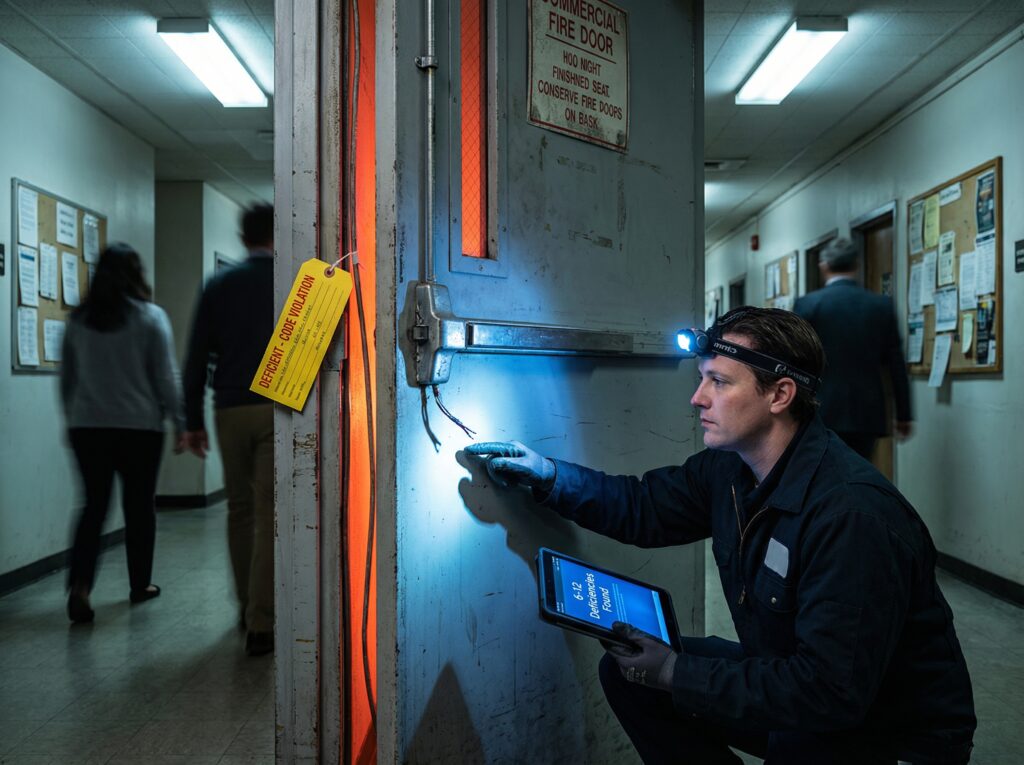
Professional fire door inspection reveals an average of 6-12 hidden deficiencies per building. These are hazards invisible to facility occupants yet are critical to fire safety. Data shows that 78-87% of uninspected fire doors contain at least one code violation that compromises smoke and flame compartmentalization. This high rate of non-compliance demonstrates the necessity of regular, professional inspection to ensure the building’s fire safety integrity.
Fire Extinguishers in Warehouses
In bustling warehouses, proper fire extinguishers are essential. This practical guide covers selection, placement, maintenance, and training to cut fire risk.