
How Consistent Inspections Cut Fire Insurance Premiums
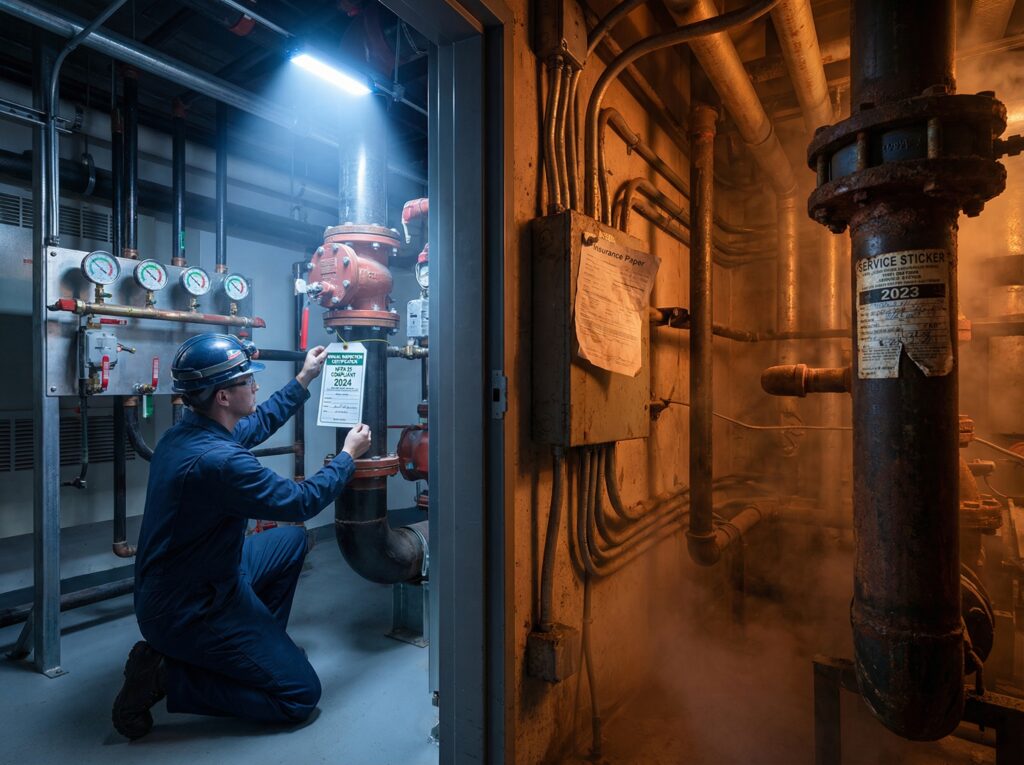
Consistent professional fire protection services reduce commercial property insurance premiums 8-22% through documented loss control programs. Facilities maintaining systematic quarterly inspections, annual certifications, and immediate deficiency correction earn superior fire protection credits. These credits average $3,400-14,800 in annual premium savings versus properties without documented loss control. Regular, professional services improve a facility’s overall risk profile, signaling to insurers a strong commitment to safety.
Fire Alarm Remote Annunciators Explained
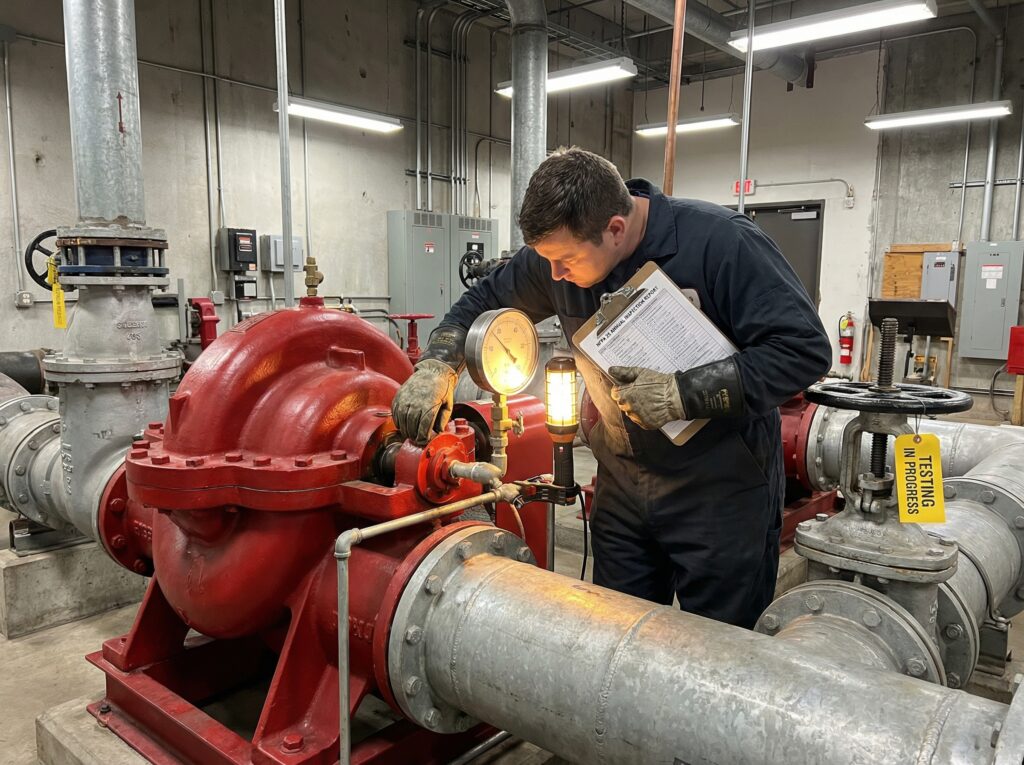
During a weekend power outage, a regional medical center relied on a single, resilient Fire Alarm Remote Annunciator near the control room as view faltered.
The Inspection Process That Strengthened Fire Protection Compliance
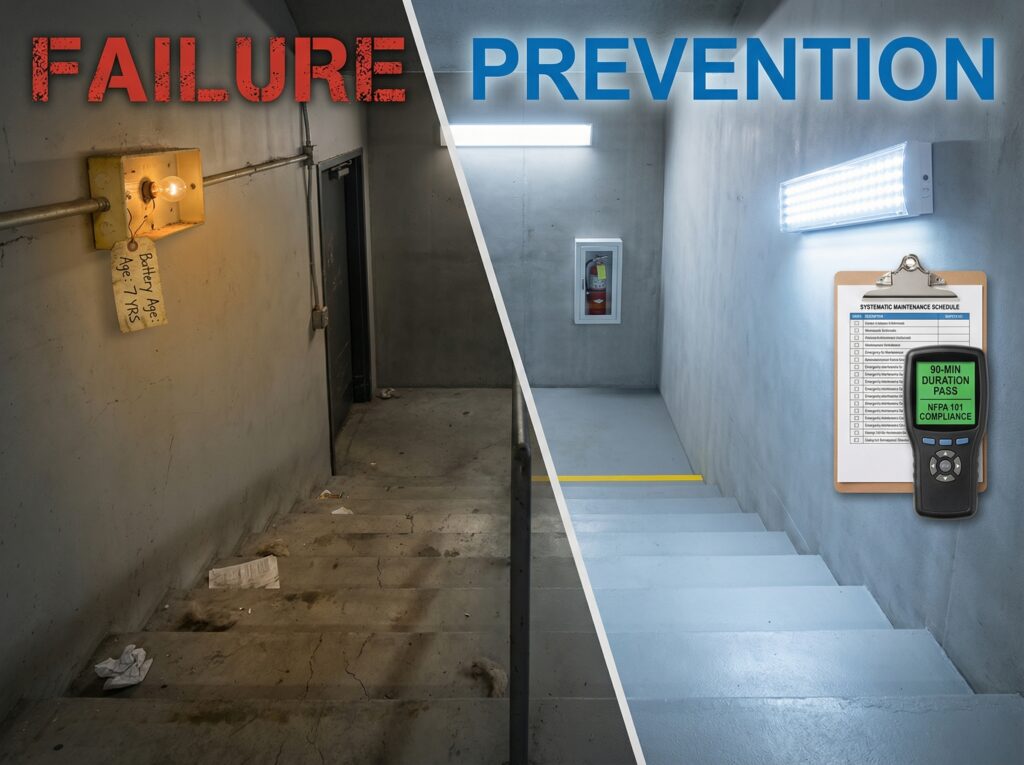
A commercial facility’s fire protection audit can be a compliance checkpoint or an opportunity for systematic improvement. The best approach transforms the inspection into a diagnostic tool for fire prevention. This systematic methodology—involving pre-assessment, diagnostic examination, implementation, and compliance strengthening—moves a facility from reactive compliance to predictive prevention. Findings, such as degraded emergency lighting or pressure anomalies, are treated as actionable diagnostic information, prompting the establishment of preventive maintenance systems like scheduled battery replacement and thorough documentation. This builds systematic, year-round compliance.
Fire Protection Compliance Timelines Explained
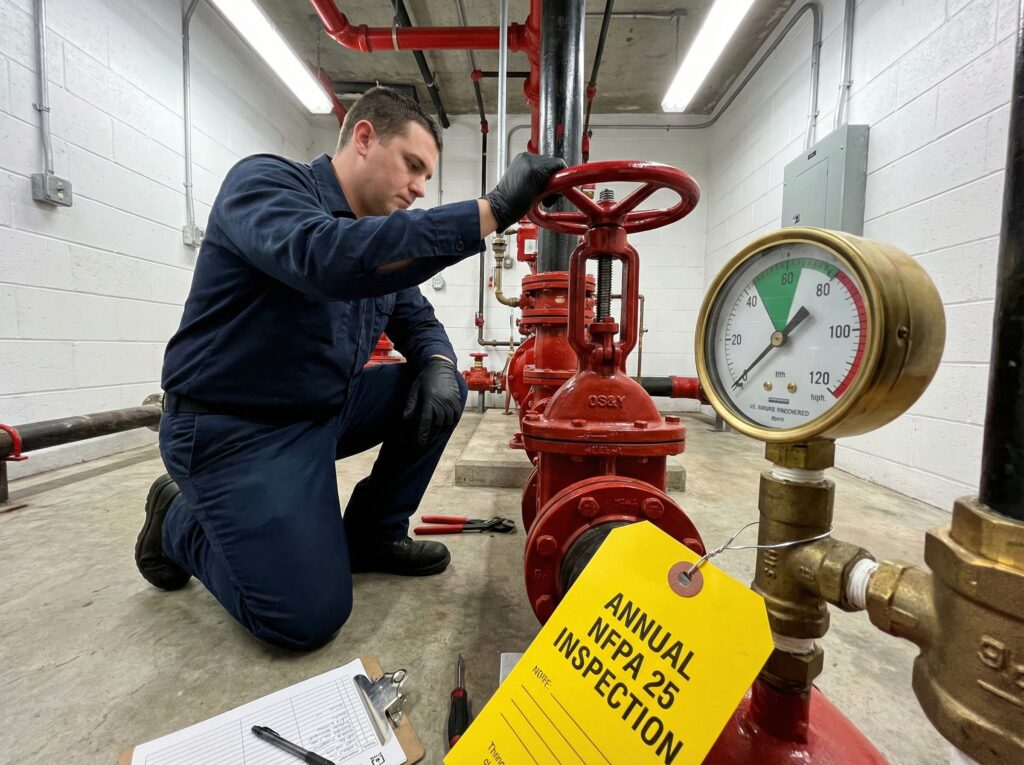
A building manager scrambles to balance tenant safety with strict compliance timelines as an AHJ inspection looms, with ad-hoc sprinkler service and patchy ITM logs.
Fire Protection Compliance Audits Explained

Follow a facilities director as a compliance audit looms, revealing how fire protection systems rely on regular inspections, testing, and proactive maintenance.
Fire Extinguisher Violations That Trigger Fines
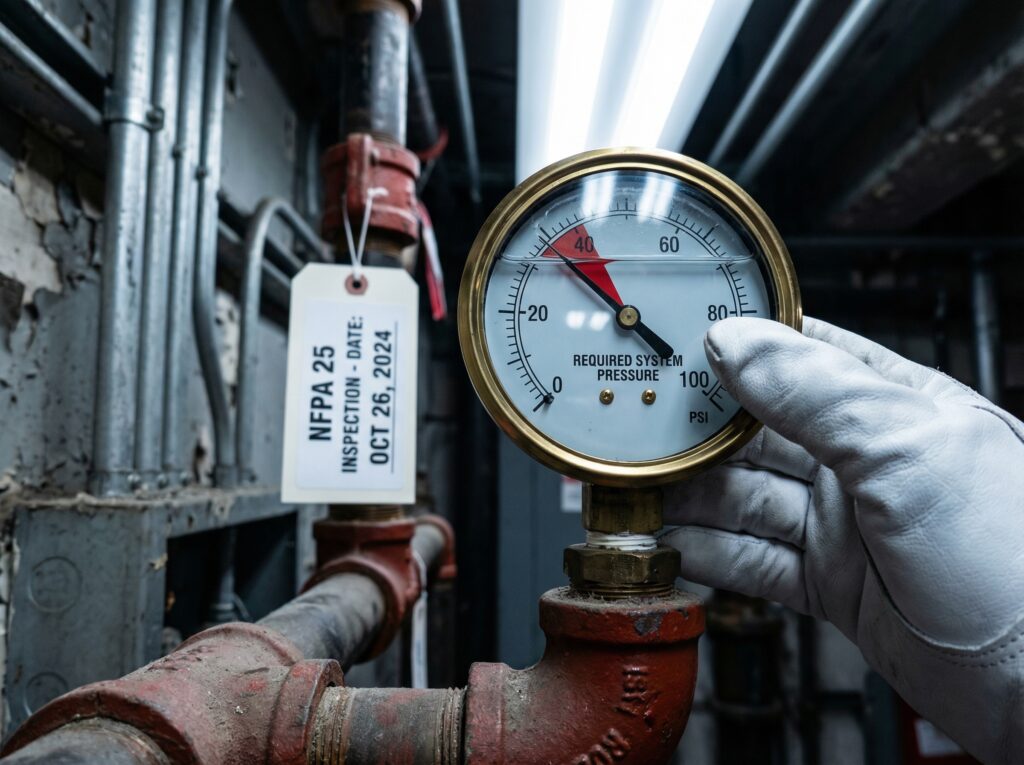
Fire extinguisher violations can trigger sizeable fines, disrupt operations, and damage reputation, so proactive inspection and compliance aren’t optional.
Fire Extinguisher Storage Violations
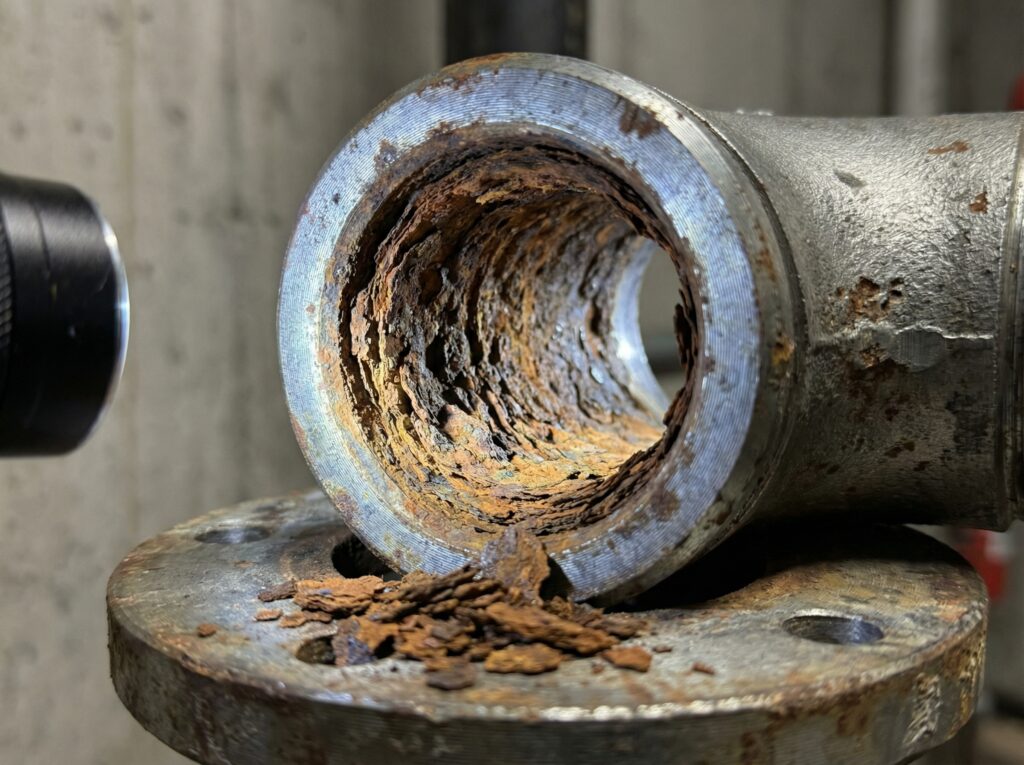
Opening with a startling reality: blocked extinguishers and obstructed exits have led to penalties and danger, as OSHA cites major retailers for violations.
Fire Alarm Monitoring Failures and Liability
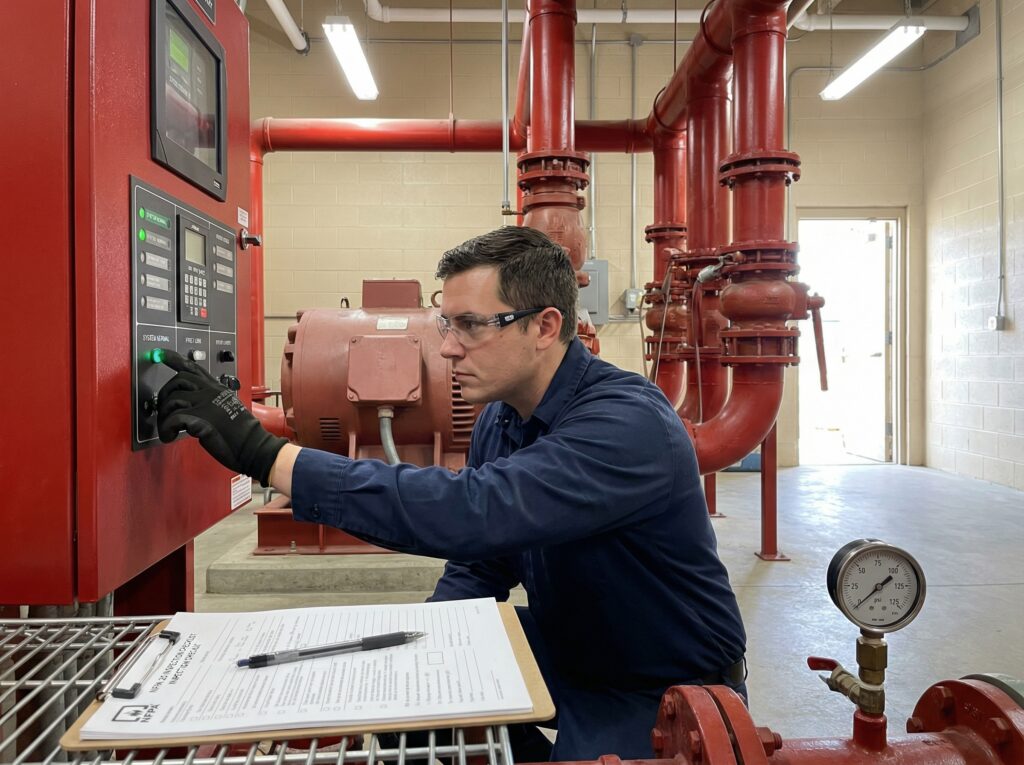
This piece explains how fire detection and monitoring failures expose facility managers, owners, and insurers to liability, safety risks, and legal fallout.
Fire Alarm Acceptance Testing Explained
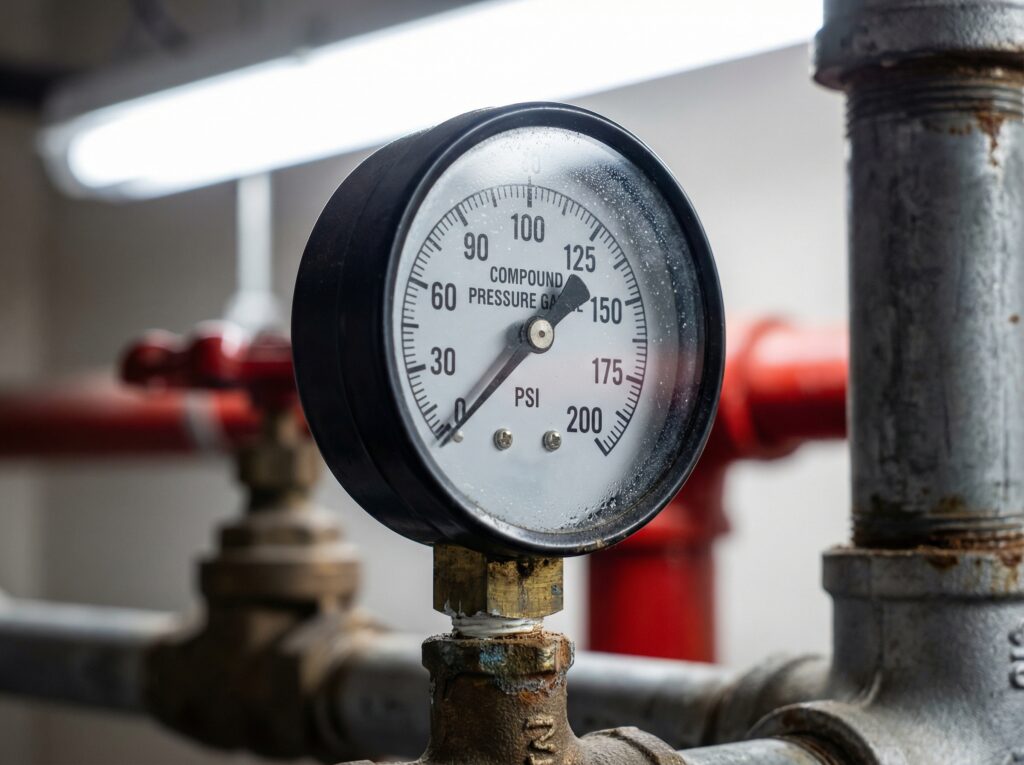
Discover how Fire Alarm Acceptance Testing, aligned with NFPA 72, ensures safety, reliability, and cybersecurity before occupancy, with failure modes captured.
Fire Code Violations That Affect Occupancy Permits
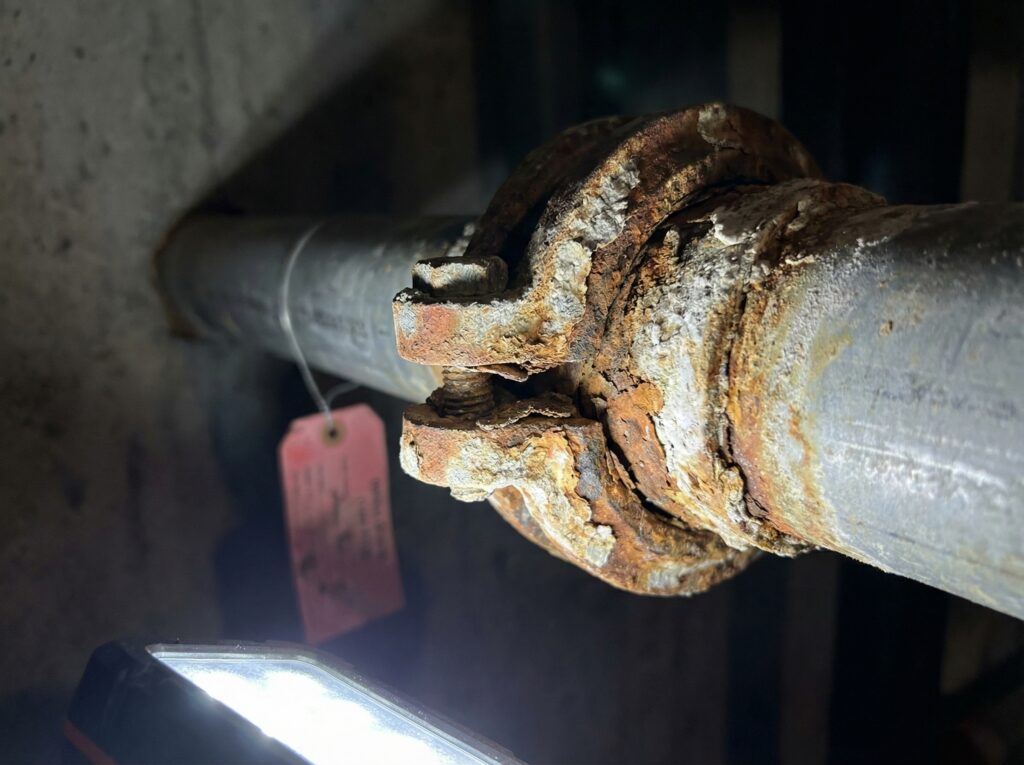
Opening with a hard truth: no matter how impressive a building looks on paper, if it isn’t fire-code compliant, it isn’t legally ready for occupancy. Today.