
What Fire Inspectors Expect From Property Managers
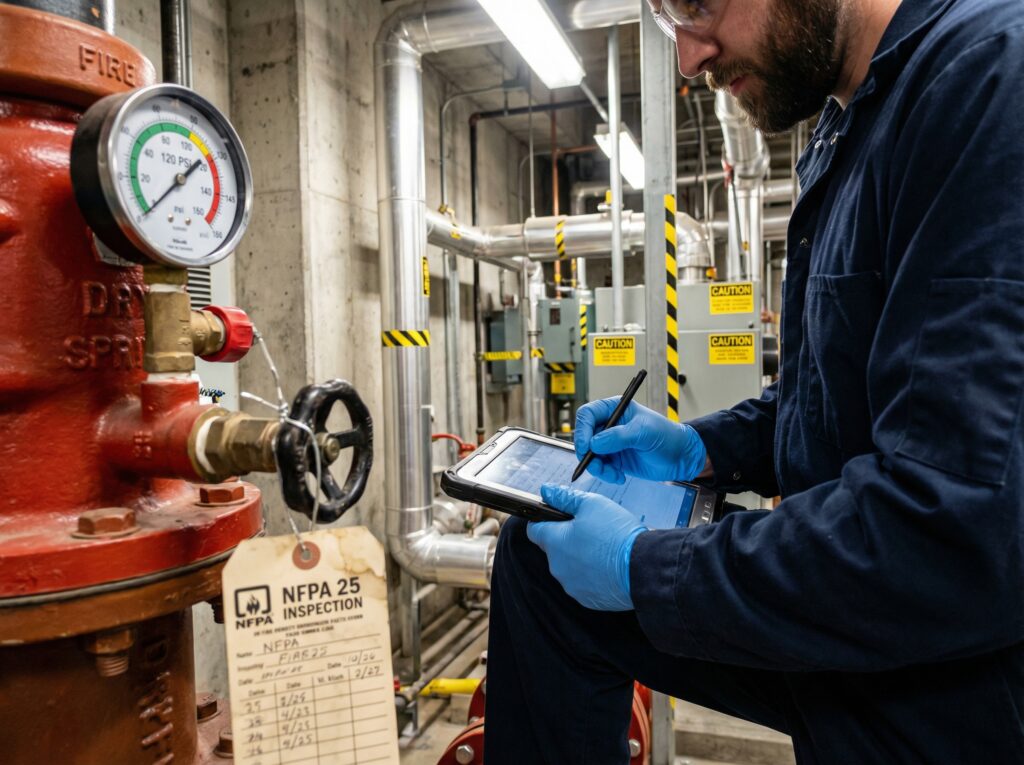
What do fire inspectors look for when they enter a building, and what must a manager have ready to show code compliance? Preparation and documentation matter.
Fire Protection Planning for High-Risk Occupancies

Are you confident your fire protection plan for high-risk occupancies can withstand Group H hazards? This guide covers design, testing, and ongoing maintenance.
Fire Alarm System Failures That Trigger Violations

In 2023, Life Safety Code citations for Fire Alarm System – Testing and Maintenance (K0345) reached 143, highlighting alarm failures risking patients and staff.
Addressable vs Conventional Fire Alarm Systems
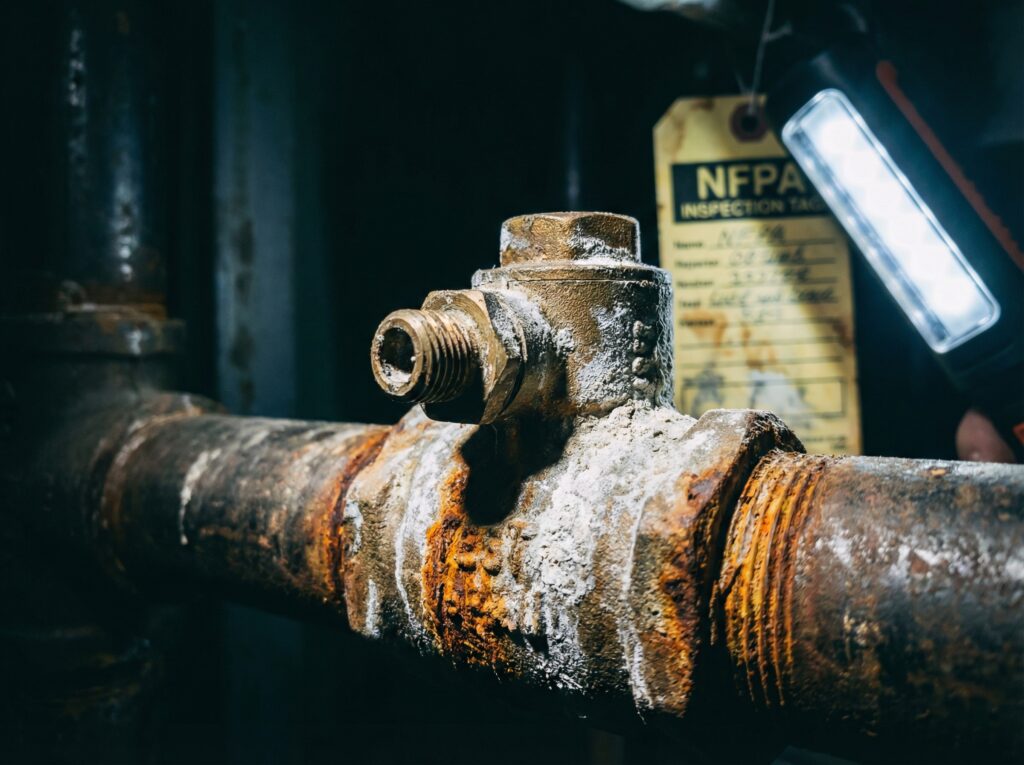
Facility teams must rethink fire alarm choices beyond addressable vs conventional, balancing security, interoperability, and integrated life-safety today.
Why Fire Code Enforcement Varies by City
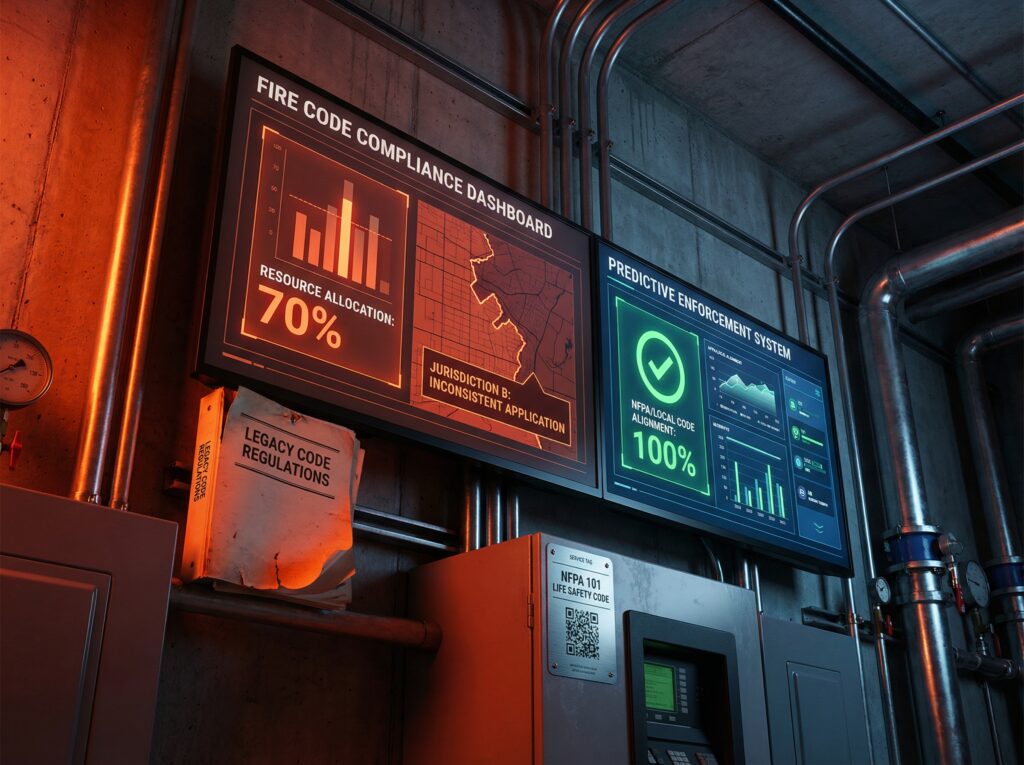
Fire code enforcement varies by city due to adoption timelines, staffing, funding, and local interpretations shaping inspections and risk decisions today.
How Continuous Fire Training Built a Culture of Prevention

Continuous fire safety training transforms organizational culture from compliance-reactive to prevention-focused over a three-year program. Behavioral indicators demonstrated a significant shift: Hazard reporting increased by 1,367% and near-miss identification by 3,100%. Voluntary training participation grew dramatically from 8% to 67%. Operational outcomes included an 85% reduction in fire-related incidents and a 49% faster emergency evacuation time. The consistency of continuous training embeds safety as an organizational rhythm, leading to a sustained prevention culture.
What Facility Managers Learn From Fire Safety Training Courses
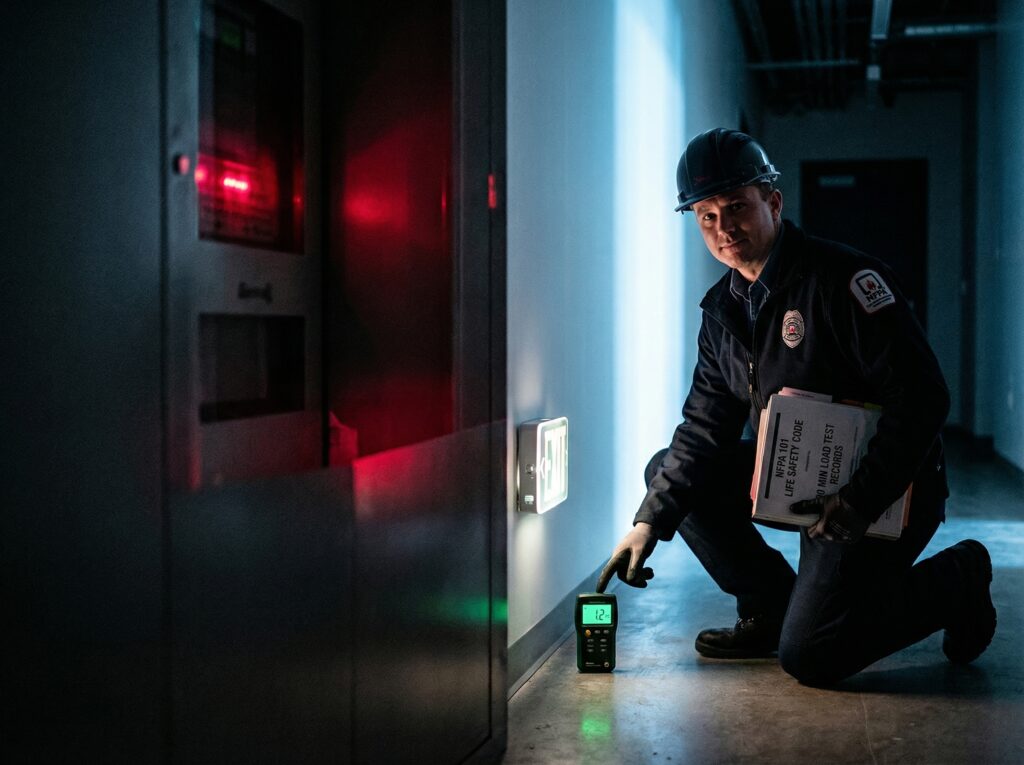
Most facility managers lack formal, role-specific fire safety training, creating a knowledge gap in system design, code compliance, and emergency response. 48Fire Protection’s specialized course develops competency in system mastery, code knowledge, facility assessment, and emergency leadership. Post-training, managers move from uncertainty to compliance assurance. They can explain complex fire systems and provide organized documentation during audits, significantly improving facility fire protection and regulatory/insurance outcomes. Certification recognizes this essential competency.
How Fire Safety Training Improved Emergency Response for a Facility
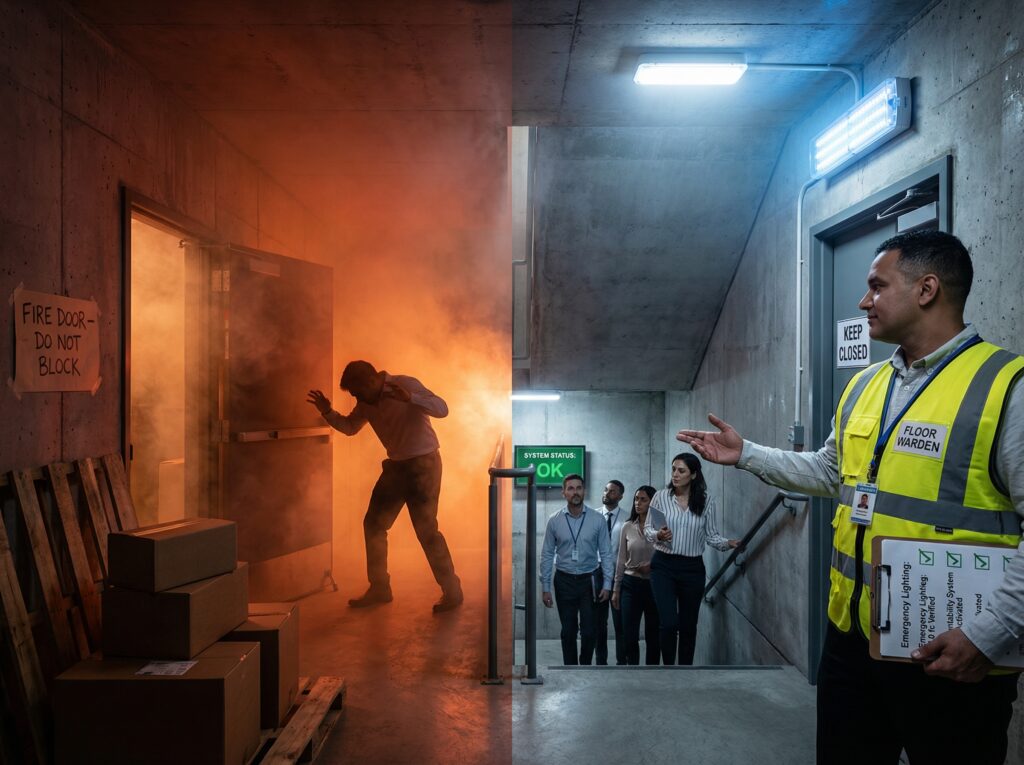
The facility’s comprehensive fire safety training program transformed emergency response for three key stakeholders: occupants, staff, and emergency responders. Occupants moved from uncertain to confident by learning exit routes, alarm sounds, and emergency lighting reliance. Staff gained clear roles and accountability, with floor wardens demonstrating competence in guiding evacuation and accounting for personnel. A coordinated fire drill verified procedures and emergency lighting functionality with emergency responders, ensuring systems worked as designed. This integration led to a fire protection audit passed on the first attempt with no citations, proving actual emergency response competence.
Fire Alarm System Inspection Costs Explained

Opening the chapter, facilities manager reviews a routine fire alarm inspection bill, uncovering a maze of charges, add-ons, afterhours fees, and contingencies.
Fire Alarm Code Compliance for Restaurants
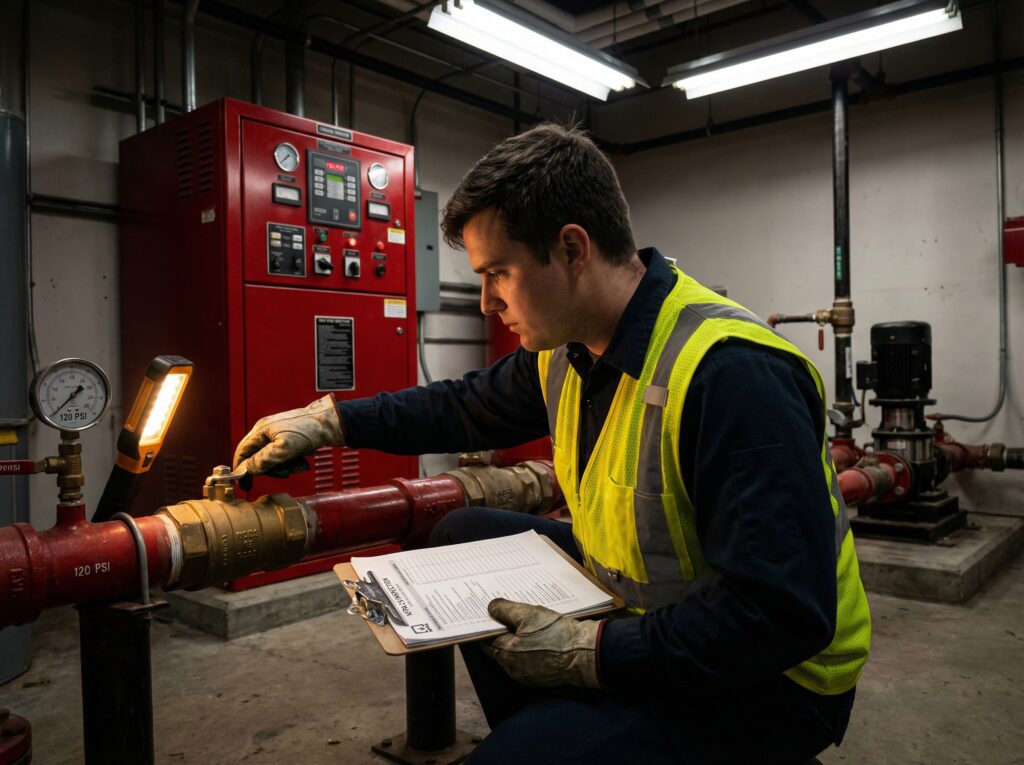
During a bustling Friday lunch, a popular bistro’s fire alarm erupts, forcing evacuations as responders arrive and reveal old systems and suppression flaws.