3 Common Fire Extinguisher Myths That Risk Compliance

3 Common Fire Extinguisher Myths That Risk Compliance. THE VIOLATION NOBODY SAW COMING. A distribution center faces a significant compliance risk due to misconceptions about fire extinguishers. These myths often lead to critical oversights in safety protocols, potentially resulting in severe violations and dangerous situations. Understanding and debunking these common myths is essential for maintaining a safe and compliant environment, protecting both personnel and property from fire hazards.

The Hidden Cost of Skipping Monthly Extinguisher Checks

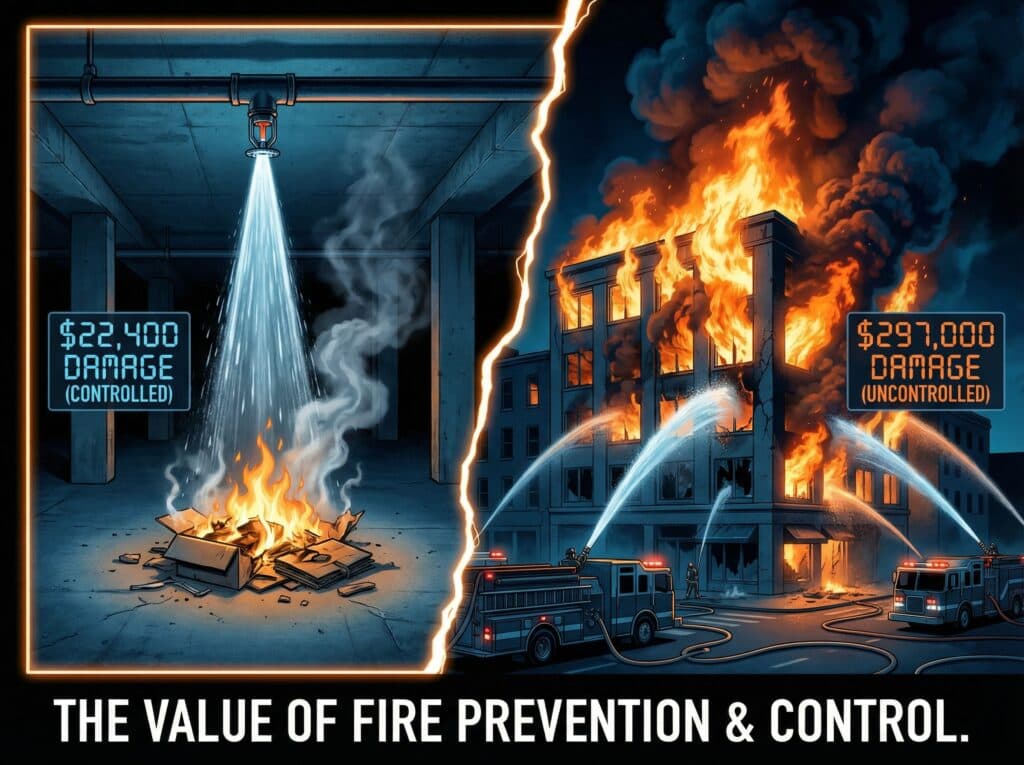
Monthly fire extinguisher inspections are mandatory federal requirements under OSHA and NFPA 10. Skipping these checks violates federal law and exposes facilities to significant financial penalties. A single serious OSHA violation can cost up to $16,131. Fire marshal citations typically range from $2,000 to $10,000. Furthermore, non-compliance risks equipment failure during a fire, leading to $50,000 to $500,000+ in property damage and substantial legal liability. Proper inspections, costing around $2,400-$4,800 annually for professional service, are a cost-effective way to mitigate extreme risk exposure.

How One School District Streamlined Its Fire Equipment Testing

Managing fire equipment across multiple school buildings creates significant compliance challenges due to distributed responsibility, staff turnover, and vendor rotation. NFPA 10 requires systematic maintenance, but documentation fragments and deadlines get missed. Systematic solutions are proven to work: comprehensive baseline assessment, a unified service provider, digital tracking systems, and automated scheduling. These steps eliminate manual tracking burdens and ensure continuous, documented compliance across all locations, minimizing risk and financial exposure.

Why NFPA Standards Are Non-Negotiable for Businesses

NFPA standards are non-negotiable for businesses, carrying legal force through OSHA and local fire codes. Non-compliance, illustrated by a $47,000 fine for failing NFPA 10 requirements, exposes businesses to significant penalties. Compliance requires systematic professional programs: monthly inspections, annual maintenance, six-year internal exams, and periodic hydrostatic testing by certified technicians. Ignoring these standards means risking regulatory fines, insurance complications, liability exposure, and equipment failure during a fire. Investing $41–$78 per extinguisher annually ensures audit-ready compliance and provides substantial risk mitigation.

Inside the Fire Extinguisher Audit That Uncovered 40 Defects

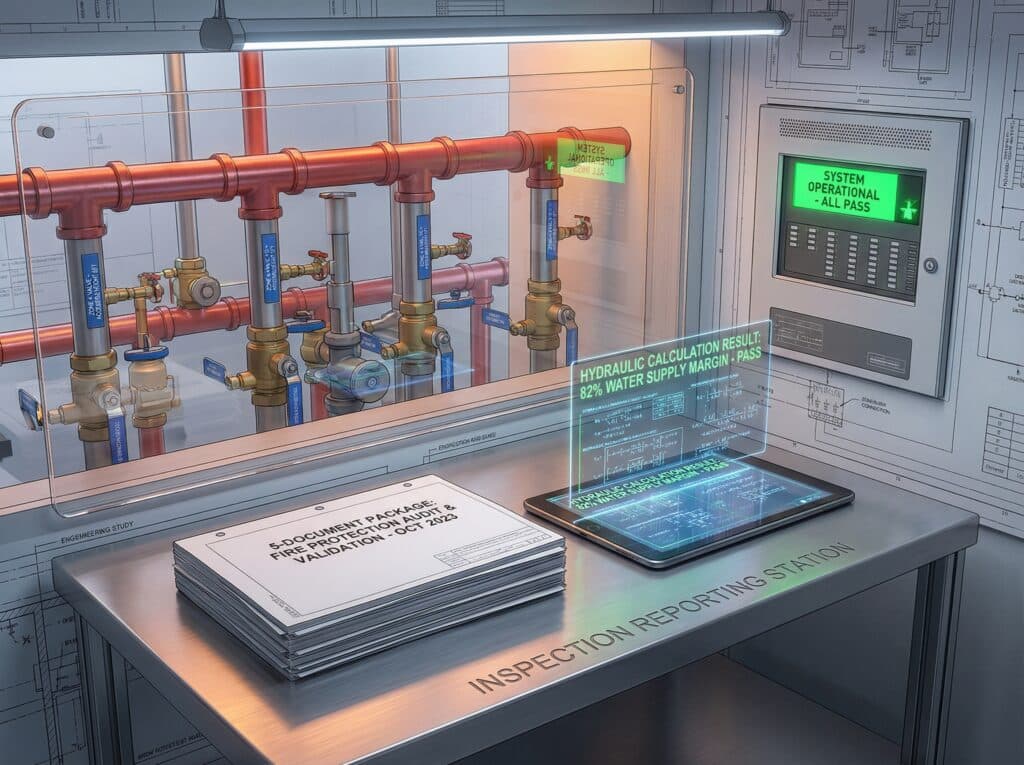
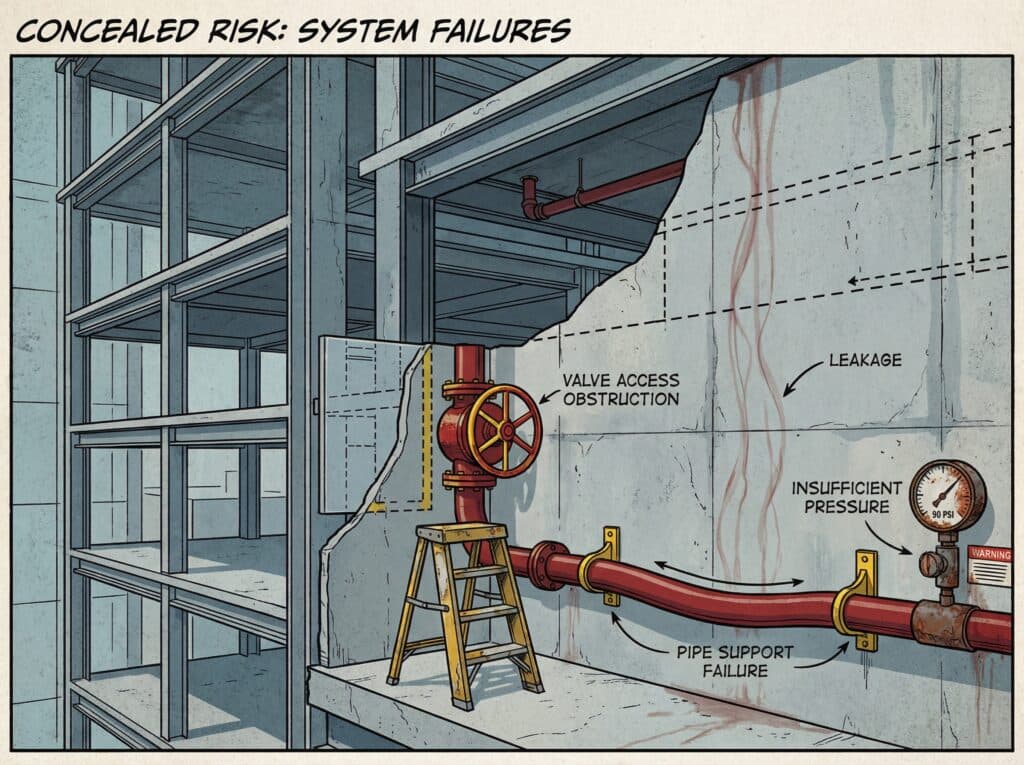
The fire extinguisher audit of the 12-year-old manufacturing facility found 40 defects in 87 units, resulting in a 54% compliance status. The facility staff performed diligent monthly inspections but missed critical NFPA 10 requirements. Major issues included dangerously low pressure, blocked access, lack of professional annual maintenance, and zero hydrostatic testing records. The audit revealed that good intentions and internal checks are insufficient; compliance demands technical expertise, specific intervals (30 days, 12 months, 5/12 years), and proper documentation.

What Most Property Managers Miss in Tag Inspections

Fire extinguisher tags are legal documentation proving compliance with NFPA 10 and OSHA requirements, not just maintenance reminders. Property managers often face violations because they miss overdue annual maintenance (exceeding 12 months), fail to track monthly inspection gaps, or rely on illegible tags. Fire marshals examine these closely; systematic documentation problems lead to significant fines, typically $6,000–$18,000. Proper verification is crucial to ensure equipment is functional and to mitigate liability risks.

How We Reduced Inspection Time Across 300+ Locations

Multi-location fire safety creates a peculiar torture: the requirements are straightforward (monthly inspections, simple documentation), but execution becomes absurdly complicated at scale. What takes twenty minutes at one location somehow devours entire weeks when you multiply it across hundreds of properties. Organizations typically respond by either throwing money at the problem or accepting chronic non-compliance. There’s a third option: treating fire extinguisher inspection as a system problem requiring systematic solutions. This transforms compliance from chaos into a managed background process, ensuring inspections happen correctly with evidence.

5 Signs Your Fire Extinguishers Are Due for Replacement

Fire extinguishers don’t announce when they’ve reached end-of-life. Facilities assume they remain functional indefinitely, but internal degradation makes them unreliable. Replacement is critical because unreliable equipment creates false security and failed extinguishers lead to catastrophic outcomes. Five definitive signs signal replacement is needed: age exceeds manufacturer lifespan; failed hydrostatic testing (mandatory replacement); extensive physical damage or corrosion; repeated service issues indicating end-of-life patterns; and obsolete or discontinued models with unavailable parts. Proactive replacement ensures reliable fire protection and compliance.

Fire Extinguisher Service That Cut Failures by 80%

Commercial facilities often face fire extinguisher failures due to relying only on visual checks. Systematic testing, including hydrostatic testing and internal examination, verifies actual function, dramatically reducing failure rates. Facilities with visual-only checks see a 20-40% failure rate, whereas professional testing reduces this to 4-8%. This 60-80% reduction shows testing transforms compliance from paperwork to genuine equipment verification, ensuring safety during emergencies and avoiding costly compliance penalties.

How Routine Recharges Saved a Restaurant from Closure

Restaurant fire safety isn’t negotiable. Fire marshals issue immediate closure orders when critical violations, like non-functional fire extinguishers, appear. NFPA 10 mandates immediate professional recharge after any use, when pressure drops, or during six-year maintenance. Skipping mandatory recharge leaves non-functional equipment in place. Systematic monthly inspections, combined with immediate recharge response, prevent compliance failures and the massive financial loss of unexpected restaurant closure, ensuring operational continuity and genuine protection.