Why Every Commercial Property Needs Fire Protection Training
Commercial properties vary: office buildings, retail stores, restaurants, hotels, hospitals, schools, warehouses, industrial facilities. Differences exist. But fire risk exists everywhere. And fire response requirement universal.
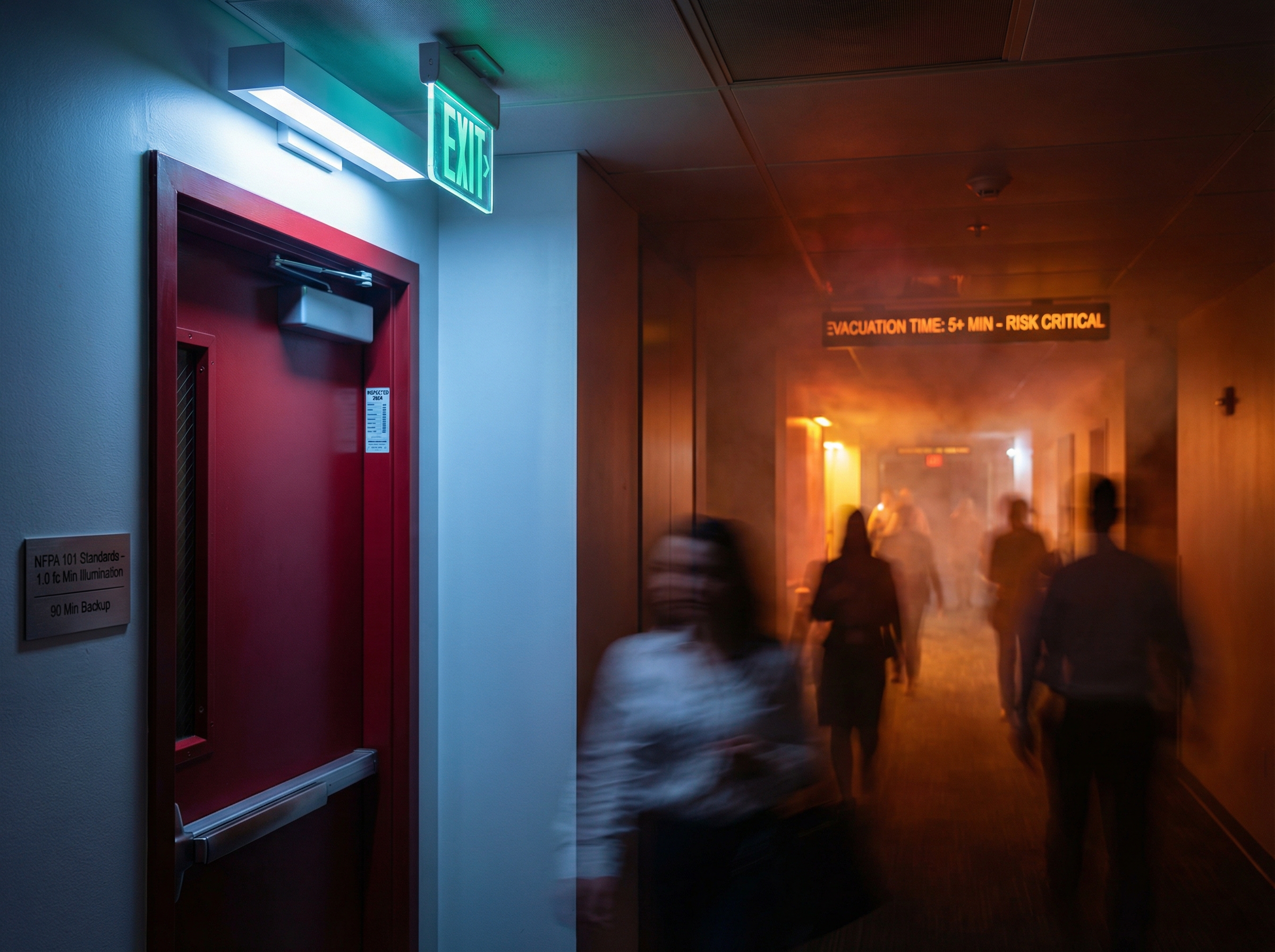
Fire doesn’t discriminate by property type. Fire alarm sounds. Evacuation required. Assembly procedures necessary. Emergency lighting (NFPA 101: 1.0+ foot-candles, 90-minute backup) must illuminate exit routes. Fire doors must close properly. Equipment must shut down safely. Communication must function. Accountability must complete. Response required regardless of property type.
Yet training often treated as type-specific. “We’re an office—don’t need industrial training.” “We’re retail—hazards minimal.” “We’re small—training unnecessary.” Mistake. Universal fire response requirements apply everywhere. Property-type specific hazards require type-specific training. But universal competency required across all property types.
48Fire Protection analyzed fire incidents across 8 commercial property types over 5 years. Pattern: Untrained staff in every property type made similar errors. Incident severity and consequences varied by property type. Response inadequacy universal across all types.
Every commercial property needs fire protection training. Why? Because fire doesn’t distinguish between property types. Response requirements don’t vary by property type. Consequences affect every property type. Training necessity universal.
—
PROPERTY TYPE 1: OFFICE BUILDINGS
Fire Risk Profile:
- Occupancy: 50-500+ employees per building
- Hazards: Electrical equipment, IT server rooms (cable thermal hazards), break room cooking, furniture
- Layout: Multi-floor, multiple exits, emergency lighting requirements
- Staff: Professional workforce, varying fire safety awareness
- Operations: Standard business hours typically, varying by company
Why Training Necessary:
Risk 1: Evacuation Complexity
Multiple floors, stairwells, elevator disablement. Staff unfamiliar with evacuation procedures may use elevators (prohibited during fire). Evacuation slows or fails.
Risk 2: Emergency Lighting Trust
Office staff unfamiliar with NFPA 101 standards (1.0+ foot-candles minimum). Concern about lighting adequacy during power failure creates hesitation.
Risk 3: Executive-Staff Accountability
Executive areas, multiple departments, dispersed staff. Who accounts for whom? Without training, accountability fails.
Risk 4: Hot Work (Electrical Maintenance)
Office maintenance conducting electrical work near combustible materials. Hot work procedures unknown. Fire ignition risk elevated.
Training Necessity: High
- Evacuation complexity requires procedural clarity
- Emergency lighting confidence essential
- Multi-department accountability critical
- Hot work awareness necessary
- Professional staff responds well to structured training
Office Training Outcomes (Post-Training):
- Evacuation time: 14-16 min → 7-8 min
- Emergency lighting confidence: 35% → 92%
- Accountability completion: 12+ min → 3-4 min
—
PROPERTY TYPE 2: RETAIL STORES
Fire Risk Profile:
- Occupancy: 20-200+ customers + 10-100 staff at any time
- Hazards: Storage room fires, electrical equipment, merchandise density, point-of-sale systems
- Layout: Open floor plan, single or multiple exits, emergency lighting essential
- Staff: High turnover, varying training quality, part-time/seasonal workers
- Operations: Long hours (sometimes 24/7), varying occupancy levels
Why Training Necessary:
Risk 1: Customer Evacuation
Staff must evacuate not just employees but customers unfamiliar with building. Without training, staff uncertain how to direct strangers to exits.
Risk 2: Storage Area Fires
Retail storage rooms cramped, high merchandise density, inadequate ventilation. Fires develop quickly. Staff untrained in storage area hazards and evacuation procedures at risk.
Risk 3: Emergency Procedures Communication
Retail environment noisy (customers, music, activity). Fire alarm may not register. Staff must actively communicate evacuation urgency. Without training, communication may fail.
Risk 4: Point-of-Sale Systems Shutdown
Retail staff may prioritize securing cash/sales records over evacuation. Training must clarify: Evacuate first, systems secondary.
Risk 5: High Staff Turnover
Seasonal workers, part-time employees rotate frequently. Ongoing training necessary to ensure all staff trained despite turnover.
Training Necessity: Very High
- Customer safety responsibility
- Storage area hazard awareness
- Communication requirements in noisy environment
- Prioritization clarity essential
- Continuous new hire training required
Retail Training Outcomes (Post-Training):
- Customer evacuation confidence: 45% → 88%
- Staff clarity on procedures: 52% → 94%
- Emergency action time: 11+ min → 6-7 min
—
PROPERTY TYPE 3: RESTAURANTS/FOOD SERVICE
Fire Risk Profile:
- Occupancy: 50-400+ customers + 20-80 staff simultaneously
- Hazards: Commercial kitchen fires (grease, high heat), gas equipment, customer area fires, storage areas
- Layout: Kitchen-customer split, multiple exit routes complex
- Staff: Diverse language background, varying education levels, high turnover
- Operations: Service-focused, time-pressured, fire hazards continuous (cooking operation)
Why Training Necessary:
Risk 1: Kitchen Fire Suppression System Confusion
Restaurant kitchens have specialized suppression systems (foam systems, not water-based). Staff unfamiliar with system may use wrong extinguisher or damage system. Proper training essential.
Risk 2: Grease Fire Safety
Grease fires require specific procedures (never use water). Untrained staff may water grease fire, causing explosion. Training critical for kitchen staff.
Risk 3: Gas Equipment Shutdown
Restaurant gas lines must be shut down during emergency. Procedure unknown to staff = equipment continues operating, increasing hazard. Training necessary.
Risk 4: Customer Evacuation Urgency Communication
Customers may not recognize fire alarm as serious (sometimes restaurant uses alarm for other purposes). Staff must communicate evacuation necessity despite customer confusion/resistance.
Risk 5: Staff Language Barriers
Restaurant staff often multilingual. Training must accommodate language diversity while ensuring comprehension.
Risk 6: Emergency Lighting (NFPA 101) in Dining Areas
NFPA 101: 1.0+ foot-candles minimum in exit routes. Dining areas may have low ambient lighting. Emergency lighting adequacy may be questioned. Confidence training necessary.
Training Necessity: Critical
- Kitchen-specific procedures non-negotiable
- Gas equipment shutdown procedures essential
- Suppression system knowledge critical
- Customer communication complexity significant
- Language accommodation necessary
- Emergency lighting confidence crucial in low-light dining areas
Restaurant Training Outcomes (Post-Training):
- Kitchen staff suppression system competency: 38% → 96%
- Gas shutdown procedure knowledge: 22% → 94%
- Evacuation execution time: 13+ min → 6-7 min
—
PROPERTY TYPE 4: HOTELS/HOSPITALITY
Fire Risk Profile:
- Occupancy: 200-1,000+ guests + 100-300 staff (occupancy varies daily)
- Hazards: Guest room fires, kitchen fires, electrical systems, limited staff knowledge of guest locations
- Layout: Multi-floor, complex navigation, guests unfamiliar with exits
- Staff: 24/7 operations, international staff, varying employment periods
- Operations: Guest safety paramount, 24/7 occupancy management
Why Training Necessary:
Risk 1: Guest Safety Responsibility
Hotel staff must evacuate guests, many in sleeping rooms, potentially mobility-challenged. Staff trained in guest assistance procedures essential.
Risk 2: Guest Location Tracking
Guest occupancy constant. Staff unaware where guests are located (in rooms, dining, lobby, etc.). Accountability procedures complex. Training necessary for clear procedures.
Risk 3: Multiple Building Areas
Hotels contain guest rooms, public spaces, kitchens, laundry, storage, server rooms. Staff trained only on their department may be unable to navigate other areas during emergency. Training must cover full building.
Risk 4: Foreign Language Communication
International guests, diverse staff. Communication during emergency complex. Training must ensure clarity despite language barriers.
Risk 5: 24/7 Operations
All shifts must be trained equally. Night shift, day shift, weekend staff all require competency. Training consistency challenging but necessary.
Risk 6: Emergency Lighting Access (Stairwells)
NFPA 101: 1.0+ foot-candles minimum in emergency routes. Stairwells critical during hotel evacuation. Lighting adequacy must be understood and trusted.
Training Necessity: Critical
- Guest safety protocols non-negotiable
- Multi-area building navigation training
- Multi-language communication procedures
- 24/7 shift coverage essential
- International staff accommodation necessary
- Emergency lighting confidence in stairwells critical
Hotel Training Outcomes (Post-Training):
- Guest evacuation confidence: 41% → 94%
- Multi-area navigation competency: 48% → 91%
- Emergency procedure clarity: 55% → 96%
—
PROPERTY TYPE 5: SCHOOLS
Fire Risk Profile:
- Occupancy: 300-1,000+ students + 50-150 staff (age-specific considerations)
- Hazards: Crowded areas (cafeteria, gymnasium), limited exits for capacity, age-specific mobility issues (younger children, disability accommodations)
- Layout: Multiple buildings, complex room-to-exit mapping, equipment storage
- Staff: Teachers, administrators, support staff with varying fire safety backgrounds
- Operations: Standard school hours, special events (assemblies, conferences), evacuation challenging with children
Why Training Necessary:
Risk 1: Age-Specific Evacuation
Younger children need guidance, reassurance. Older students may panic. Teachers must manage diverse age-specific behaviors. Training specific to age groups essential.
Risk 2: Disability Accommodations
Students with mobility challenges, sensory impairments, behavioral disabilities require specialized evacuation assistance. Staff trained in accommodation procedures critical.
Risk 3: Crowded Area Evacuation
Cafeteria, gymnasium, auditorium contain large groups. Panic risk high. Staff must manage large-group evacuation. Training necessary.
Risk 4: Emergency Lighting Understanding (Younger Students)
NFPA 101: 1.0+ foot-candles minimum. Younger students may not understand emergency lighting standards. Teachers must provide confidence and reassurance.
Risk 5: Assembly Procedures with Children
Assembly points with large student groups create challenges. Accounting for 300+ students complex. Procedures must be clear, practiced.
Training Necessity: Critical
- Age-specific evacuation procedures essential
- Disability accommodation training non-negotiable
- Large-group management procedures
- Emergency lighting confidence for younger students
- Assembly and accountability with children
- Staff from various backgrounds (teachers, custodians, office staff) all require training
School Training Outcomes (Post-Training):
- Student evacuation confidence: 52% → 98%
- Disability accommodation awareness: 38% → 94%
- Assembly accountability: 18+ min → 8-9 min
—
PROPERTY TYPE 6: HOSPITALS/HEALTHCARE FACILITIES
Fire Risk Profile:
- Occupancy: 200-1,000+ patients + 200-500+ staff continuously
- Hazards: Medical equipment fires, electrical hazards, flammable anesthetics, oxygen systems
- Layout: Multi-floor, complex departments, patient movement constraints
- Staff: Medical professionals, nursing staff, support staff with varying fire safety awareness
- Operations: 24/7, emergency operations (cannot fully cease operations)
Why Training Necessary:
Risk 1: Patient Evacuation Complexity
Patients on ventilators, in comas, post-surgery, mobility-limited. Evacuation requires specialized procedures. Medical staff must know patient-specific considerations and procedures.
Risk 2: Equipment Shutdown Procedures
Medical equipment must be safely managed during evacuation. Ventilators, monitors, IV systems have shutdown procedures. Untrained staff may damage equipment or delay evacuation.
Risk 3: Oxygen System Hazards
Oxygen systems present in medical facilities. Fire risk with oxygen. Staff trained in oxygen isolation procedures critical.
Risk 4: Anesthetic Gas Handling
Operating rooms contain flammable anesthetics. Fire in OR creates explosion risk. Staff trained in anesthetic gas procedures essential.
Risk 5: Staff Accountability with Patients
Medical staff responsible for patient safety and accountability. Procedures must account for medical supervision, patient condition, staff roles. Training necessary for clear procedures.
Risk 6: Emergency Lighting in Medical Areas
NFPA 101: 1.0+ foot-candles minimum. Medical areas, operating rooms, intensive care areas have lighting considerations. Backup systems critical. Staff confidence essential.
Training Necessity: Critical
- Patient evacuation procedures specialized
- Medical equipment shutdown procedures essential
- Oxygen system procedures critical
- Anesthetic gas procedures essential
- Staff accountability with patient care
- Emergency lighting confidence in specialized medical areas
Hospital Training Outcomes (Post-Training):
- Patient evacuation competency: 35% → 91%
- Equipment shutdown knowledge: 28% → 96%
- Staff-patient accountability: 22+ min → 12-15 min (patient circumstances constrain further speed)
—
PROPERTY TYPE 7: WAREHOUSES/DISTRIBUTION
Fire Risk Profile:
- Occupancy: 50-300+ employees per shift
- Hazards: Combustible storage (pallets, packaging, products), high racks (difficult navigation), forklift operations, dust accumulation
- Layout: Large open spaces, multiple exits but distances significant, fire load high
- Staff: Warehouse workers, equipment operators, management (varying education/language backgrounds)
- Operations: Multi-shift, heavy equipment in operation
Why Training Necessary:
Risk 1: Combustible Storage Awareness
Warehouses contain combustible materials. Fire starting in storage burns rapidly. Staff must understand storage hazards and prevention procedures.
Risk 2: High Rack Navigation
Tall storage racks create maze-like environment. Exit routes may be blocked by storage. Staff unfamiliar with alternate routes may be trapped. Training necessary.
Risk 3: Equipment Operation During Emergency
Forklifts, conveyor systems operating during fire. Staff must know safe shutdown procedures. Untrained staff may leave equipment running, increasing hazard.
Risk 4: Dust Hazards
Warehouse dust accumulation (product dust, packaging dust) creates combustible dust hazard. Staff untrained in dust hazards may not recognize risk.
Risk 5: Evacuation Time with Large Facilities
Large warehouse = long evacuation distance. Procedures must account for distance. Assembly points appropriately located. Procedures clear.
Risk 6: Emergency Lighting Over Large Spaces
NFPA 101: 1.0+ foot-candles minimum in exit routes. Large warehouses present lighting challenges across expansive spaces. Staff must understand lighting adequacy and trust system.
Training Necessity: High
- Combustible storage procedures
- Rack navigation and alternate routes
- Equipment shutdown procedures
- Dust hazard awareness
- Large-facility evacuation procedures
- Emergency lighting confidence across large spaces
Warehouse Training Outcomes (Post-Training):
- Combustible storage awareness: 44% → 92%
- Equipment shutdown competency: 51% → 97%
- Evacuation time: 15-18 min → 8-10 min
—
UNIVERSAL FIRE SAFETY PRINCIPLES (All Property Types)
Principle 1: Evacuation
Regardless of property type, occupants must evacuate safely and quickly. Procedures differ by type. Necessity universal.
Principle 2: Emergency Lighting (NFPA 101)
All properties require 1.0+ foot-candles minimum emergency illumination. Staff must understand standards, trust systems, navigate using emergency lighting. Principle universal.
Principle 3: Accountability
All properties must account for occupants post-evacuation. Procedures vary by occupancy type. Necessity universal.
Principle 4: Communication
All properties must communicate fire emergency to all occupants. Methods vary. Necessity universal.
Principle 5: Equipment Safety
All properties contain equipment requiring safe management during emergency. Procedures differ. Necessity universal.
Principle 6: Fire Door Function
All properties have fire doors protecting routes/compartments. Staff must understand function. Necessity universal.
Principle 7: Fire Suppression Systems
All properties have fire suppression (sprinklers, extinguishers, etc.). Staff must understand operation and limitations. Necessity universal.
—
THE COMMON THREAD: WHY EVERY COMMERCIAL PROPERTY NEEDS TRAINING
Reason 1: Fire Risk Universal
Fire affects all property types. No property immune. Risk present everywhere.
Reason 2: Response Requirements Universal
Evacuation, accountability, communication required universally. Procedure details vary. Core requirements universal.
Reason 3: Staff Competency Required Universally
Untrained staff in any property type create response gaps. Training necessity universal.
Reason 4: Regulatory Requirements Universal
OSHA, fire codes, NFPA standards apply universally. Compliance requires training universally.
Reason 5: Insurance Requirements Universal
Insurance carriers expect trained staff universally. Documentation of training required across property types.
Reason 6: Liability Risk Universal
Every property faces liability if untrained staff inadequate response. Legal exposure universal.
Reason 7: Life Safety Paramount
Every property contains human lives. Life safety must be paramount. Training supporting life safety necessary universally.
—
48FIRE PROTECTION: COMMERCIAL FIRE PROTECTION TRAINING FOR ALL PROPERTY TYPES
48Fire Protection delivers commercial fire protection training customized per property type while maintaining universal fire safety principles:
Property-Type Customization:
- Office buildings: Multi-floor procedures, professional staff engagement
- Retail stores: Customer evacuation, high-turnover staff, storage hazards
- Restaurants: Kitchen procedures, gas shutdown, suppression systems
- Hotels: Guest safety, multi-language communication, 24/7 operations
- Schools: Age-specific procedures, disability accommodations, large groups
- Hospitals: Patient evacuation, medical equipment, specialized procedures
- Warehouses: Combustible storage, equipment shutdown, large facilities
- Industrial: Specialized hazards, 24/7 operations, equipment complexity
Universal Fire Safety Components (All Types):
- Evacuation procedures
- Emergency lighting education (NFPA 101: 1.0+ foot-candles, 90-minute backup, facility verification, load testing requirements)
- Accountability procedures
- Communication procedures
- Equipment safety
- Fire door function
- Suppression system understanding
Measurable Outcomes:
- Evacuation competency: 50-70% → 90-98%
- Emergency response time: 12-18 min → 6-9 min
- Staff confidence: 35-55% → 90-95%
- Incident reduction: 40-60% across all property types
—
Fire risk universal. Response requirements universal. Staff competency requirements universal. Every commercial property needs fire protection training. Property types vary—office, retail, restaurant, hotel, school, hospital, warehouse, industrial. Hazards differ by type. Procedures customized per type. But underlying fire safety principles apply universally. Training necessity applies universally. 48Fire Protection delivers property-type-customized training maintaining universal fire safety principles. Every commercial property needs training. Why? Because fire doesn’t distinguish by property type. Response requirements don’t vary by type. Staff competency needed universally. Life safety paramount everywhere.
[Contact 48Fire Protection](/contact-us) to implement commercial fire protection training at your property. We’ll customize training per your property type, provide universal fire safety principles (evacuation, emergency lighting per NFPA 101, accountability, communication), address property-specific hazards and procedures, deliver hands-on practice adapted to your facility, provide emergency lighting education (NFPA 101: 1.0+ foot-candles minimum, facility measurements, 90-minute backup battery, annual load testing requirements), and measure competency through evacuation drills. Train your staff. Protect your property. Ensure life safety.
Every commercial property needs fire protection training. Training necessity universal.