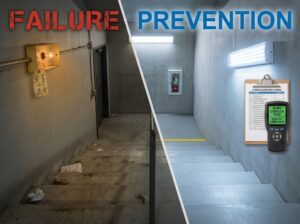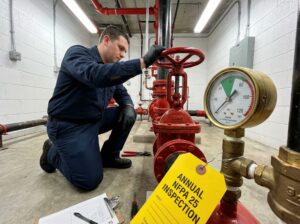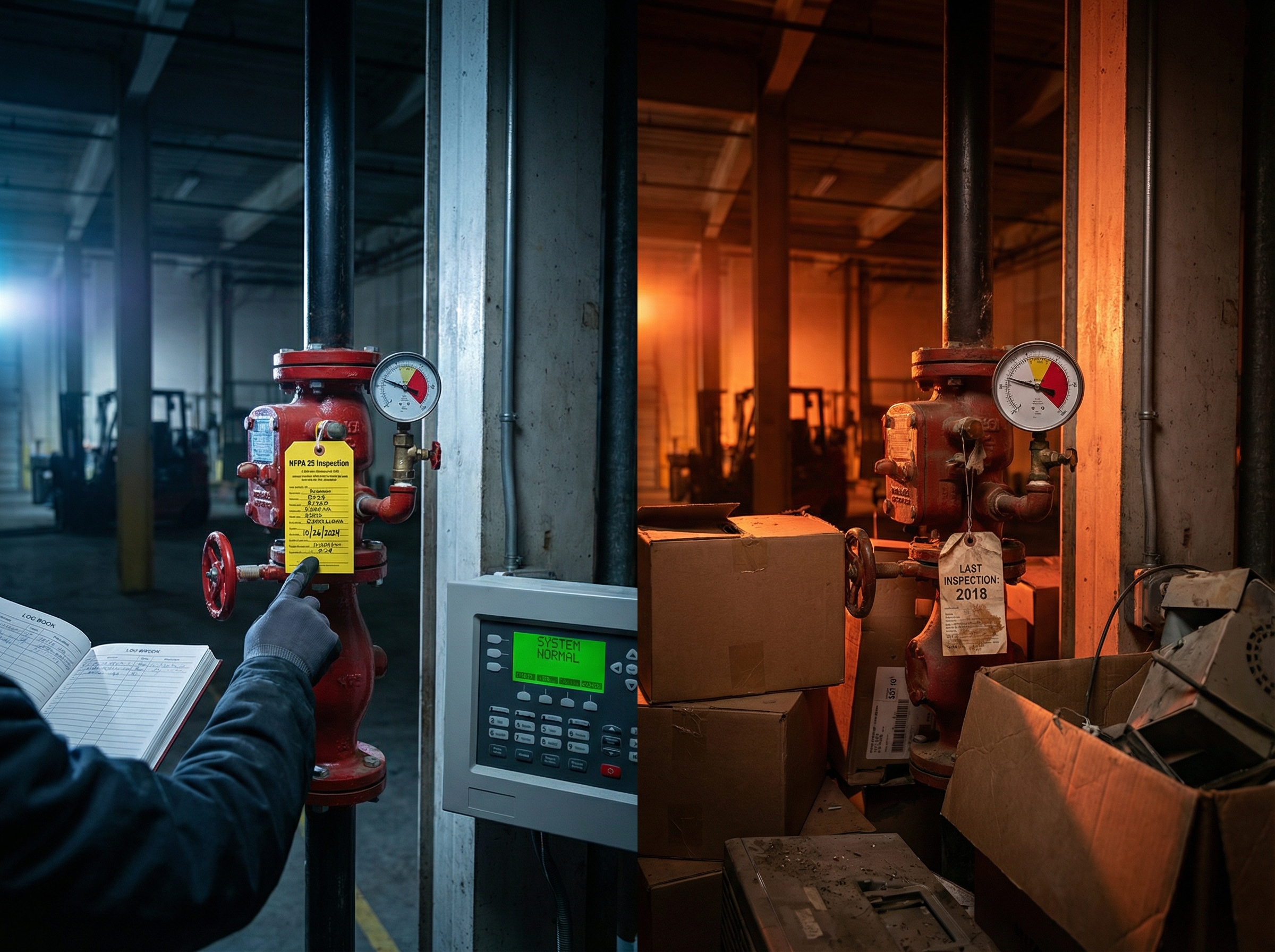
Opening scene: A bustling morning at a small food hall. The espresso machine hums, orders stack up, and a stack of invoices sits near the pepper grinder. Then, without warning, a fire inspector arrives with a clipboard, asking for extinguishers, exit routes, and recent maintenance records. The moment is tense, but it’s also a reminder that surprise fire inspections aren’t some ominous game of consequence. They’re a structured part of how cities protect people, property, and livelihoods. Understanding what triggers these inspections—and how to prepare for them—can save time, costs, and even lives.
If you’re a facility manager or business owner, you’ve probably heard the phrase “surprise fire inspection” and wondered what exactly triggers these visits. The reality is nuanced. Some inspections are driven by complaints; others are scheduled or part of routine enforcement. The right preparation isn’t about guessing when an inspector might show up; it’s about building a robust, defensible fire and life safety program that stands up to scrutiny no matter who knocks on the door.
This article digs into the triggers behind surprise fire inspections, what they mean for business fire safety compliance, and practical steps you can take to stay ready. We’ll blend jurisdictional examples, practical checklists, and actionable guidance that you can apply to any facility—whether you’re running a retail storefront, a warehouse, a restaurant, or a manufacturing plant. Along the way, you’ll see how 48Fire Protection helps clients proactively align with code requirements and reduce the risk of costly, unplanned interruptions.
- Surprise fire inspection triggers: What actually prompts an inspector to arrive
- How different jurisdictions trigger inspections (with concrete examples)
- The hidden or non-obvious risk factors that invite scrutiny
- A practical, no-surprises readiness framework for facilities
- How 48Fire Protection’s services align with inspection readiness
1) Understanding the core concept: why inspections happen and what “surprise” means
Definition and purpose
- A surprise fire inspection is not a random scavenger hunt. Inspectors operate under established law and codes that authorize visits when they detect or suspect fire and life safety risks.
- The aim is prevention: to identify life-safety hazards, ensure effective egress, verify that alarms and suppression systems are functioning, and confirm that maintenance records are accurate and available.
Common realities
- Inspections can occur with little or no notice, but they are typically grounded in documented triggers—whether a complaint, a request, an examination of risk factors, or a mandated periodic review.
- The term “surprise” reflects unpredictability, but it sits atop a structured framework so that businesses can plan, document, and demonstrate ongoing compliance rather than scrambling after the fact.
Key takeaway
- The best defense against surprise triggers is a proactive compliance program: regular internal audits, routine maintenance, robust training, and clear recordkeeping.
2) The main triggers you’re likely to encounter
Below are the broad categories of triggers that fire inspections. They’re not mutually exclusive; multiple triggers can converge on a single site.
A. Complaints
- A complaint from a tenant, employee, neighbor, or occupant is one of the most common reasons a fire marshal or authority having jurisdiction (AHJ) initiates an inspection.
- Complaints can stem from blocked exits, obstructed fire shelving, locked doors, lack of visible exit signage, malfunctioning alarms, or hazardous storage practices.
- Evidence-based response: inspectors will verify the complaint, assess the scope, and determine corrective actions if needed.
B. Requests by the business or third parties
- Some jurisdictions allow property owners or operators to request an inspection themselves, either to verify compliance or to preempt potential issues.
- This proactive approach can be part of a risk-management strategy to demonstrate commitment to safety and to obtain formal acceptance or certification of compliance.
C. Statutory or code-mandated inspections
- Many places have statutory inspection programs tied to specific risk profiles (e.g., occupancy type, hazard potential, or building size).
- These inspections may be scheduled or triggered by life-safety code adoption and enforcement cycles, with the AHJ coordinating and documenting results.
D. Routine risk-based or programmatic sweeps
- Some jurisdictions perform targeted sweeps on a risk basis—focusing on high-hazard occupancies, complex life-safety systems, or facilities with past issues.
- These inspections aim to ensure ongoing compliance and address systemic risks before they materialize into incidents.
E. Incident-driven triggers
- Fires, near-misses, or significant equipment failures (e.g., a released hazardous material, a fire alarm activation with a suspected fault, or a suppression system discharge) can prompt follow-up inspections to verify corrective actions and system reliability.
F. Hazardous materials and occupancy-specific triggers
- Locations with hazardous materials (hazmat) storage, high-piled storage, or specific industrial processes may trigger inspections when recognized hazards are present or when processes change.
- Occupancy types with greater risk (e.g., assembly occupancies with high occupant loads, dining establishments with cooking hazards, or industrial facilities with special suppression requirements) may have more frequent or more intensive inspection triggers.
G. Emergency planning and documentation lapses
- Missing or expired emergency action plans, emergency escape routes not clearly marked, or incomplete maintenance records can trigger inspections to verify readiness and compliance.
3) How different jurisdictions trigger inspections: some concrete examples
To illustrate how the triggers above materialize in real life, here are jurisdictional snapshots drawn from official sources. These show that surprise inspections are not invented concepts; they have legal grounding and practical application.
- West Virginia: Complaints or pre-scheduled requests can trigger fire and life safety inspections, with inspections mandated under the Fire Prevention and Control Act (Chapter 15A, Article 10). This framework recognizes both complaint-driven and request-driven triggers, creating a predictable, enforceable path for inspection activity. See Fire & Life Safety Inspections — West Virginia Office of the State Fire Marshal. [Fire & Life Safety Inspections — West Virginia Office of the State Fire Marshal]
- Eugene, Oregon: Inspections are conducted by request or in response to a complaint, and businesses can initiate an inspection themselves. This model supports both proactive and reactive approaches to safety and underscores the role of business leadership in maintaining compliance. See Request for Inspections — City of Eugene, Oregon. [Request for Inspections — City of Eugene]
- Maine: The State Fire Marshal can inspect upon a complaint or whenever they determine it is necessary, and there are provisions for removal of dangerous matter, appeals, and exits. This is a clear example of how risk assessments and complaints can trigger enforcement actions in legislative terms. See Inspection by State Fire Marshal; removal of dangerous matter; appeal; exits — Maine Legislature. [Maine Statutes 25 title 25 sec 2392]
- United States-wide context: The U.S. Fire Administration discusses inspections as a core component of prevention and outreach to facilities, emphasizing that inspections are part of a broader prevention framework. This helps explain why inspections occur across jurisdictions and highlights the standard purpose of inspections in improving life safety. See U.S. Fire Administration – Fire inspections. [U.S. Fire Administration – Fire inspections]
Note: The above triggers align with established laws and public-facing guidance. While specific rules vary by jurisdiction, the common thread is that complaints, requests, and proactive risk-based checks are all legitimate catalysts for surprise or unscheduled inspections.
4) The less obvious triggers: why inspectors might show up even when you think you’re compliant
Many facilities assume that “compliance” equals “never a surprise.” In practice, there are subtler reasons why an inspector might come by unannounced or with short notice. Being prepared for these scenarios is part of good business fire safety compliance.
Performance issues detected during prior visits
- A follow-up inspection may be needed if previously reported issues were not fully corrected, or if corrective actions require verification.
Changes in occupancy or operations
- If you switch to a different occupancy group (e.g., from a retail to a restaurant, or from warehouse to assembly), life-safety requirements can change significantly, triggering re-inspection or targeted checks.
Renovations or alterations
- Any structural or life-safety system modification can trigger an inspection to verify that the changes meet current codes and that egress paths, fire dampers, or smoke control measures perform as intended.
System performance concerns
- Recurring nuisance alarms, failed test procedures, or inconsistent maintenance can draw inspector attention, especially if there is a pattern of non-compliance or system faults.
Documentation gaps
- If maintenance logs, service reports, or testing certifications are missing or incomplete, inspectors may schedule a visit to ensure that documentation is complete and accessible.
Inadequate emergency planning
- If an organization lacks up-to-date emergency action plans, evacuation diagrams, or staff training records, inspectors will likely require action to close the gaps.
5) The practical framework: preparing for and surviving a surprise inspection
The most effective defense against the disruptive impact of surprise inspections is a systematic, ongoing readiness program. Below is a practical framework you can implement to minimize risk and ensure smooth inspections when they occur.
A. Build a living compliance playbook
- Establish a centralized, accessible set of policies, procedures, and records that cover:
- Exit and egress path diagrams
- Fire extinguisher maintenance and inspection records
- Fire alarm and suppression system testing results
- Emergency action plans and staff training records
- Hazardous materials inventory and handling procedures (if applicable)
- Clear shutdown and lockout/tagout (LOTO) procedures where required
- Ensure the playbook is updated with changes in occupancy, processes, or building codes.
B. Create formal preventive maintenance routines
- Schedule routine inspections and testing for all life-safety systems (fire alarms, suppression, portable extinguishers, emergency lights) with documented test results.
- Retain service provider contact information and service tickets to demonstrate diligence and accountability.
C. Train staff and verify competency
- Conduct periodic training on evacuation procedures, alarm response, and reporting potential hazards.
- Maintain attendance records and post-training quizzes or assessments to verify understanding.
D. Pre-inspection internal audits
- Perform internal “pre-inspections” focusing on common trigger areas:
- Egress paths clear and properly illuminated
- Exits properly signed and unlocked (where permitted)
- Fire doors tested for proper operation and kept unobstructed
- Fire extinguishers accessible, inspected, and tagged
- Alarm and detection systems tested and documented
- Means of egress not blocked by equipment or storage
- Address findings promptly and document corrective actions.
E. Develop well-organized documentation
- Create a standardized inspection packet that inspector can review quickly, including:
- Floor plans with marked exits
- Up-to-date fire safety equipment inventories
- Service provider certifications and maintenance logs
- Training records and emergency procedures
- Recent code-related correspondence or compliance letters
F. Implement a real-time corrective action system
- When issues are identified, maintain a formal process to assign responsibilities, set deadlines, and verify completion.
- Track corrective actions to closure and retain evidence of remediation.
G. Communication and transparency
- If you anticipate a complaint or inquiry, have a point of contact in place who can coordinate with the AHJ quickly and professionally.
- Consider a proactive outreach program to the AHJ to demonstrate ongoing safety improvements, rather than waiting for a surprise inquiry.
Checklist: readiness readiness for a surprise inspection
- [ ] Up-to-date exit diagrams and unobstructed egress paths
- [ ] All fire extinguishers inspected, tagged, and accessible
- [ ] Fire alarm and suppression systems tested with results documented
- [ ] Emergency lighting functional and tested
- [ ] Clear records of all maintenance and service providers
- [ ] Emergency action plans and staff training logs current
- [ ] Hazardous materials storage (if applicable) compliant with current rules
- [ ] Occupancy classification and capacity within code limits
- [ ] Procedures for locked doors, doors left open in compliance with code, and access control reviewed
- [ ] Clear lines of communication with the AHJ or fire department liaison
6) The inspection process—what actually happens when a surprise visit occurs
Understanding the typical flow of a surprise inspection can reduce anxiety and improve outcomes. While the exact steps can vary by jurisdiction, the general process tends to follow a familiar pattern:
Step 1: Arrival and identification
- The inspector presents credentials and explains the purpose of the visit. You have the opportunity to verify the inspector’s identity and scope of the inspection.
Step 2: Opening interview and scope discussion
- The inspector outlines the areas to be reviewed and any immediate concerns. This is often a good moment to present your prepared documentation.
Step 3: Review of life-safety systems and condition
- The inspector will examine exit paths, egress lighting, alarms, extinguishers, suppression systems, and storage practices.
Step 4: Documentation check
- The inspector will request maintenance records, test results, service tickets, training records, and emergency plans.
Step 5: Exit interviews and preliminary findings
- The inspector shares preliminary observations and discusses immediate corrective actions if needed. Depending on jurisdiction, you may receive a formal notice outlining violations and deadlines.
Step 6: Corrective action and follow-up
- If violations are identified, you’ll receive a timeline for remediation. A follow-up inspection may be scheduled to verify closure of findings.
7) The consequences of non-compliance and the benefits of proactive readiness
Non-compliance consequences
- Financial penalties, escalated enforcement, temporary closure orders, or mandatory corrective actions.
- Reputational impact with customers, tenants, and investors who rely on your facility’s safety performance.
- Potential legal liability if an incident occurs and is connected to safety lapses.
Benefits of proactive readiness
- Fewer surprises, smoother inspections, and faster closure of findings.
- Demonstrable commitment to safety, potentially lowering insurance costs and improving stakeholder confidence.
- Better overall facility operations, including improved occupancy comfort, reduced downtime, and safer workplaces.
8) Key standards and codes that inform inspection triggers and expectations
A broad set of standards and codes guide what inspectors look for and how facilities should operate. While the details vary by jurisdiction, several core frameworks frequently appear in fire safety conversations:
NFPA 1: Fire Code
- A widely adopted baseline standard that addresses general safety requirements for buildings, including suppression, alarm, means of egress, and hazardous materials handling.
NFPA 101: Life Safety Code
- Focuses on life safety features such as egress, occupancy loads, and emergency planning for buildings.
International Fire Code (IFC)
- A model code used in many jurisdictions for fire prevention, life safety, and related enforcement.
OSHA or state-specific occupational safety requirements
- Where relevant, workplace safety requirements intersect with fire safety, especially in industrial settings and construction environments.
State-specific or local amendments
- Many places add their own amendments or adopt modifications to the model codes, which can influence inspection triggers and enforcement.
Having a clear understanding of the local code landscape—and staying aligned with the most stringent applicable standards—helps you anticipate triggers and prepare effectively.
9) Why this matters for your business: benefits in real terms
Reduced downtime and disruption
- Prepared facilities experience shorter inspection windows, fewer corrective actions, and less operational disruption.
Financial predictability
- Proactive maintenance and documentation reduce the risk of costly penalties and emergency fixes.
Safer facilities
- A disciplined approach to life safety reduces risks to workers, customers, and tenants and improves overall safety culture.
Competitive advantage
- Demonstrated compliance and readiness can be a differentiator for tenants, lenders, and investors who value safety performance.
10) A practical, end-to-end approach to stay consistently compliant
- Build a culture of safety first
- Senior leadership sets expectations; all staff understand their role in safe operations.
- Establish a single source of truth
- A digital or well-organized physical repository for maintenance logs, plans, diagrams, and training records.
- Schedule regular internal audits
- Quarterly or semiannual internal reviews of life-safety systems, egress, and documentation.
- Maintain partnerships with trusted providers
- Work with qualified fire protection professionals to perform testing, maintenance, and training.
- Prepare for the unexpected
- Maintain a ready-to-hand inspection package and assign a point person for AHJ communications.
11) The 48Fire Protection edge: how we help you stay ready
At 48Fire Protection, we specialize in turning fire safety compliance from a reactive task into a strategic advantage. Our approach is practical, code-informed, and focused on real-world results. Near the end of this article, you’ll find a dedicated section on how our services specifically support inspection readiness and ongoing compliance.
Comprehensive risk assessment and site surveys
- We identify hazards, quantify risk, and map compliance gaps to clear corrective actions.
Life-safety system testing and maintenance
- Regular inspection, testing, and maintenance of extinguishers, alarms, suppression systems, emergency lighting, and related components.
Documentation management and readiness
- We help you assemble and maintain an auditable package of records, diagrams, and plans that inspectors can review quickly.
Training and drills
- On-site training and emergency drills strengthen staff readiness and reduce response times during real events.
Replacement planning and upgrades
- We help you plan and implement upgrades to meet evolving codes and standards, minimizing disruption and unplanned inspections.
Emergency planning and program development
- We craft or update emergency action plans, evacuation diagrams, and incident response procedures aligned with codes and best practices.
Pre-inspection readiness programs
- Our proactive readiness services simulate inspection scenarios, identify gaps, and drive rapid remediation.
One of the core benefits of working with 48Fire Protection is the ability to tie every recommendation directly to life-safety outcomes and regulatory expectations. We don’t just check boxes—we help you improve safety performance, operational reliability, and the business continuity that relies on a safe environment.
A dedicated services section: 48Fire Protection’s relevant offerings
- Fire risk assessments and facility surveys
- Fire protection system inspection, testing, and maintenance
- Emergency planning, evacuation diagrams, and staff training programs
- Documentation and recordkeeping systems for inspections and maintenance
- Pre-inspection readiness audits and mock inspections
- Code compliance planning, including NFPA-based interpretations and local amendments
- Hazardous materials storage evaluation (where applicable)
- Restoration planning and post-incident support (to minimize downtime after events)
If you’d like to discuss how these services fit your facility—and how we can tailor an inspection readiness program to your occupancy type and local codes—reach out to us. We’ll help you design a plan that prioritizes life safety and keeps your operations running smoothly.
Closing thoughts: turning surprise inspections into business resilience
Surprise fire inspections are an inevitable element of operating a safe facility. They can feel disruptive, but they’re driven by a straightforward objective: protect people, property, and business continuity. By understanding triggers, adopting a proactive compliance mindset, and partnering with experienced professionals, you can dramatically reduce the likelihood of last-minute, disruptive fixes—and instead experience predictable, manageable inspections.
A well-designed readiness program isn’t just about avoiding penalties. It’s about creating a safer environment for your employees, customers, and tenants. It’s about building confidence among regulators, insurers, and partners that your organization takes life safety seriously and acts on it every day.
Citations and further reading
- Fire & Life Safety Inspections — West Virginia Office of the State Fire Marshal. This source highlights how WV triggers inspections through pre-scheduled requests or complaints under the Fire Prevention and Control Act. [Fire & Life Safety Inspections — West Virginia Office of the State Fire Marshal]
- Request for Inspections — City of Eugene, Oregon. Eugene supports inspection by request or complaint, and provides a path for businesses to initiate inspections themselves. [Request for Inspections — City of Eugene]
- Inspection by State Fire Marshal; removal of dangerous matter; appeal; exits — Maine Legislature. Maine law contemplates inspections upon complaints or when deemed necessary by the State Fire Marshal. [Maine Statutes 25 title 25 sec 2392]
- U.S. Fire Administration – Fire inspections. The USFA describes inspections as a core element of prevention and outreach for facilities. [U.S. Fire Administration – Fire inspections]
- To learn more, talk to 48Fire Protection about building a tailored, proactive inspection readiness program that aligns with your occupancy type, local codes, and risk profile.