Opening a restaurant is exciting—but the kitchen is one of the most high-risk areas you’ll manage. A single oil-tank flare-up, a clogged duct, or a mismanaged flame can escalate into a costly shutdown, significant property damage, or worse, injuries. In this article, we’ll walk through a comprehensive approach to fire protection planning tailored for restaurants. You’ll learn how to design, install, inspect, and maintain the systems that keep kitchens safe and compliant, with a practical roadmap you can implement starting today.
—
A Scenario You’ve Seen Before (and Could Prevent)
It’s a busy Friday dinner rush. The line cooks are moving fast, orders are flying, and the hood is venting hot, greasy air from a horizontal fryer station. A small, familiar sizzle becomes a larger flare as a drop of oil reaches its flashpoint on the surface. The kitchen staff react—some grab extinguishers; others call for help. But due to a lack of formal fire-preparedness planning and an outdated or under-maintained suppression system, the incident grows from a grease fire into smoke damage, a mechanical shutdown, and a losses-are-not-optional scare.
This is not an isolated event. In fact, cooking is the leading cause of nonresidential fires, representing a substantial portion of fire incidents in commercial settings. The ability to respond quickly and effectively hinges on two things: (1) a properly designed and maintained Kitchen Hood Suppression System and related fire safety infrastructure, and (2) a commitment to Commercial Kitchen Fire Safety through rigorous inspection, testing, and staff training. The consequences of neglect are real: downtime, insurance liability, reputational harm, and potential regulatory penalties.
For context, consider this reality from the broader industry data: cooking fires are a persistent, year-after-year challenge for nonresidential buildings. In 2023, cooking fires accounted for 33,300 nonresidential fires, making cooking the leading cause of nonresidential fires and reflecting a 13% increase over the 2014–2023 decade. This isn’t a “one-off” risk—it’s a systemic problem that demands a formal, proactive plan. [usfa.fema.gov]
The takeaway: a thoughtful fire protection plan for a restaurant isn’t optional; it’s a core element of operating safely, staying open, and protecting people. In the sections that follow, you’ll find a structured approach to prevent, prepare for, and respond to kitchen fires—grounded in standards, statistics, and practical steps you can apply in your own operation.
—
Why Restaurants Are High-Risk by Design
Before we dive into solutions, it helps to understand where the risk comes from in a restaurant kitchen—and why a targeted plan matters.
- Intense heat sources and cooking oils: Fryers, grills, broilers, and high-temperature ovens produce heat, smoke, and aerosols that must be managed by a robust ventilation and suppression strategy.
- Dense, fast-paced environments: The operational tempo can lead to rushed cleaning, overlooked maintenance, and gaps in safety compliance.
- Complex ventilation systems: Commercial kitchens rely on exhaust hoods, ducts, and fire dampers. If any component is degraded or clogged, it creates a fire path, increases heat exposure, and complicates suppression.
- Variability in equipment and layouts: A kitchen’s design changes over time—renovations, equipment swaps, or reconfigured prep areas—can introduce new risk vectors if not re-evaluated for safety compliance.
- Dependence on human factors: The best systems are only effective if staff are trained to use them correctly and respond to alerts in a predictable way.
These dynamics are precisely why regulators and standard-setters emphasize consistent planning, inspection, and maintenance. The U.S. Fire Administration (USFA) notes that restaurant fires account for a meaningful share of nonresidential building fires—data that reinforces the need for formal fire-preparedness planning in every kitchen. For perspective, the New Guide Helps Restaurant Operators be Always Ready for a Fire report highlights that restaurant fires account for about 6% of all nonresidential building fires each year. That statistic isn’t just a number—it’s a call to action for proactive planning and inspection. [restaurant.org]
To align with industry best practices, it’s essential to anchor your plan in established standards. NFPA 96-2024, titled Standard for Ventilation Control and Fire Protection of Commercial Cooking Operations, provides the minimum requirements for the design, installation, operation, inspection, and maintenance of all public and private commercial cooking operations. This standard guides you through what must be in place, how it should be maintained, and how inspections should be conducted. [webstore.ansi.org]
Below, we’ll connect these general risk themes to concrete protections—especially Kitchen Hood Suppression Systems, a critical component of Commercial Kitchen Fire Safety.
—
Core Component: Kitchen Hood Suppression Systems
A Kitchen Hood Suppression System is more than a button on the wall; it’s a multifaceted safety system designed to intercept heat, oil, and flames where they originate—the cooking equipment and hood area. Here’s what you need to know.
- What it does: In the event of a fire, the suppression system automatically releases a clean agent into the hood or appliance compartment to knock down flames, suppress the fire, and prevent re-ignition. In most modern setups, you’ll have a combination of a fixed automatic system, manual pull, and detection to ensure fast, decisive action.
- What it protects: The cooking appliance(s), the hood, ductwork, and often the area surrounding the cooking line. A properly designed system minimizes grease accumulation and reduces the likelihood of fire spreading through ductwork.
- Common configurations: Wet chemical extinguishing agents are popular for commercial kitchens because they’re designed for cooking fires involving fats and oils. Some installations use dry chemical or clean-agent suppression for certain configurations or in compliance with specific codes.
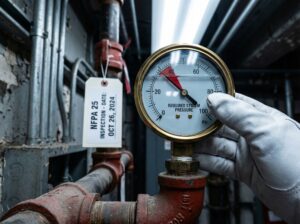
- Maintenance and testing: Regular inspection, testing, and maintenance are non-negotiable. NFPA 96-2024 lays out the schedule for annual inspections and more frequent checks for components such as canisters, agent levels, nozzles, and detection circuits.
A robust Kitchen Hood Suppression System is essential—but it’s not a “set it and forget it” feature. It must be integrated into a broader plan that covers staff training, routine inspections, and preventive maintenance. The National Fire Protection Association (NFPA) standard (NFPA 96-2024) provides the blueprint for those activities, including design and installation criteria, operation, inspection, and maintenance requirements. [webstore.ansi.org]
—
The Standard that Keeps It All Together: NFPA 96-2024
NFPA 96-2024 is the guiding standard for commercial cooking operations’ safety, with a focus on ventilation control and fire protection. It is intentionally practical and prescriptive, offering steps that stakeholders—from restaurant owners and facility managers to installers and inspectors—can implement.
Key areas of NFPA 96-2024 include:
- Design considerations: Where to place hoods and how to size systems to accommodate the equipment on the line. Adequate ventilation reduces heat, smoke, and grease buildup that can contribute to ignition and spread.
- Installation requirements: Materials, clearances, drainage, and accessibility to ensure that a kitchen is both safe and maintainable.
- Inspection frequency: NFPA 96-2024 sets out an inspection cadence to verify that the entire system—hoods, ducts, fans, suppression components, and detectors—is functioning properly.
- Maintenance and repairs: A defined schedule for components’ servicing, components replacement, and documentation to demonstrate ongoing compliance.
- Documentation and recordkeeping: Keeping detailed records of design, installation, testing, and maintenance to support regulatory compliance and insurance requirements.
Compliance with NFPA 96-2024 helps restaurants demonstrate a proactive approach to fire safety and provides a defensible framework for ongoing maintenance. The standard’s emphasis on consistent inspection and maintenance aligns with the broader risk reduction goals of Commercial Kitchen Fire Safety and reduces the likelihood of major fire events caused by equipment or grease-laden ductwork. [webstore.ansi.org]
For a broader context on cooking-fire trends and the necessity of routine readiness, consider this: a well-implemented NFPA 96-2024-based program supports both prevention and rapid response, which can dramatically shorten downtime and preserve revenue during an incident. And remember, independent fire inspections and regular maintenance are not merely recommendations—they’re often required by local authorities and insurers.
NFPA 96-2024 is not just about the physical installation; it’s about a lifecycle approach: design, install, test, maintain, and document. Each phase reinforces the others. In practice, this means a kitchen that is designed with the right equipment in mind, properly installed systems, regular inspections, staff training, and an auditable maintenance schedule. It’s a holistic approach essential for a thriving restaurant.
To deepen your understanding of how the standard translates into day-to-day actions, NFPA provides resources and guidance to help facilities prepare for inspections and maintain compliance. In addition, there are practical cookline safety measures you can implement that align with the standard’s spirit and safety goals. For a broader safety framework, see NFPA’s public education resources on cooking safety which emphasize prevention, preparedness, and proper response. [NFPA Cooking Safety Tips]
—
The Role of Commercial Kitchen Fire Safety
The kitchen is the heart of a restaurant—and its safety program is the vital system that keeps that heart beating under all conditions. A comprehensive Commercial Kitchen Fire Safety program is built on three pillars: prevention, detection, and response.
1) Prevention
- Regular maintenance of vent hoods, filters, and ducts to minimize grease accumulation. Grease buildup is an ongoing ignition risk if not addressed.
- Proper equipment clearances and safe operation of all cooking devices.
- Correct storage for oil, fats, and flammable substances; segregated waste handling to minimize fuel sources near ignition points.
- Regular cleaning schedules that align with health codes and NFPA 96-2024 guidelines.
- Adequate electrical system maintenance to prevent overheating and arcing that could trigger or intensify fires.
2) Detection
- Early detection systems that warn staff and property management of rising heat or smoke.
- Integration with fire alarm systems to ensure coordinated evacuation and notification.
- Visual indicators and clear signage at key access points so staff can respond quickly.
3) Response
- Clear emergency procedures and staff training on fire suppression activation, shutdown of equipment, and safe evacuation routes.
- Accessible hands-on training for use of fire extinguishers, sheltered areas, and the pavement for backup egress.
- Regular fire drills and post-drill reviews to improve procedures and outcomes.
A critical element within this framework is Restaurant Fire Inspection. Inspections are designed to verify that every piece of safety infrastructure—exhaust systems, suppression systems, detection devices, electrical provisions, and even housekeeping practices—meets applicable codes and standards. The independent verification process also helps align safety investments with operational priorities, ensuring that you’re not over- or under-investing in safety while staying in regulatory compliance.
For context, consider the data linking preparedness with the likelihood of fire-related losses. The restaurant industry faces a nontrivial fire risk, and a disciplined readiness program helps minimize the risk by catching problems before they become fires. The fire-preparedness imperative is echoed in industry research and regulatory guidance, and it’s a primary reason why many operators invest in formal training, systematic inspections, and proactive maintenance cycles. The 6% share of nonresidential fires attributed to restaurants underscores the importance of a deliberate plan rather than reactive fixes. [restaurant.org]
—
The Restaurant Fire Inspection Process: What to Expect
Restaurant Fire Inspections are a critical part of maintaining safety and compliance. They serve as a quality control mechanism, ensuring that your systems operate as intended and that your staff is prepared to respond to incidents. Here’s how the process typically unfolds and how you can prepare:
Pre-inspection preparation:
- Gather documents: NFPA 96-2024 compliance documentation, maintenance logs, inspection reports, service contracts, and equipment inventories.
- Review equipment and layout: Ensure that equipment has not been moved without updating the fire safety plans and that the hood and ductwork are clean and accessible.
- Confirm access for inspectors: Clear the hood, mechanical spaces, electrical panels, and fire-control rooms so inspectors can perform thorough checks.
On-site inspection focus areas:
- Hood and ductwork condition: Inspect for grease buildup, obstructions, damaged components, and proper clearance around the hood and exhaust plenums.
- Suppression system integrity: Check agent levels, canisters, nozzles, and release mechanisms; confirm the system is charged and within service dates.
- Fire detection and alarms: Verify smoke and heat detectors, control panels, and annunciation devices function correctly and are properly synchronized with the building’s fire alarm system.
- Electrical and fuel sources: Examine electrical panels, wiring, and potential ignition sources near cooking equipment; check storage and handling of fuels.
- Housekeeping and storage: Ensure clean, organized storage away from heat sources; verify that flammable liquids are properly stored and labeled.
Documentation review and post-inspection:
- Provide a written response plan for any items that require correction, with timelines and responsible parties.
- Schedule follow-up actions for any deficiencies and confirm compliance after remediation.
- Keep records of all inspection results, corrective actions, and re-inspections to demonstrate ongoing compliance.
Preparing for inspections is not just about passing a pass/fail test. It’s about establishing a culture of ongoing safety that reduces risk, minimizes downtime after incidents, and demonstrates to insurers and regulators that you take fire protection seriously. Consistency is key: regulators value routine, documented practice more than one-off fixes. By aligning your operations with NFPA 96-2024 and other applicable standards, you’ll be better positioned to avoid costly surprises.
If you want to understand how to prepare for an inspection or how to structure your own pre-inspection checklist, here’s a practical starter list:
- [ ] Confirm NFPA 96-2024 compliance for all cooking operations
- [ ] Validate hood and duct cleaning frequency and records
- [ ] Check suppression system test dates and agent levels
- [ ] Inspect fire alarm integration and annunciation
- [ ] Review electrical and fuel storage safety
- [ ] Ensure clear access and signage in all emergency routes
- [ ] Prepare a corrective-action plan for any deficiencies
- [ ] Schedule the next inspection and update maintenance logs
A well-executed Restaurant Fire Inspection program does more than satisfy regulatory requirements; it helps ensure the safety of staff and patrons and supports a smoother operation during emergencies by reducing uncertainty and response time.
—
Common Pitfalls (and How to Avoid Them)
Even with good intentions, many restaurants fall into predictable traps. Here are the top pitfalls and practical fixes:
- Pitfall: Underestimating grease buildup and its fire risk
- Fix: Adopt rigorous cleaning schedules aligned with NFPA guidelines, track cleaning tasks, and ensure access for inspections and maintenance.
- Pitfall: Delaying maintenance until equipment fails
- Fix: Implement a preventive maintenance calendar with reminders for inspection, testing, and replacement of critical components.
- Pitfall: Inconsistent staff training
- Fix: Schedule regular training sessions for all shifts and refreshers on Kitchen Hood Suppression System operation and proper extinguisher use.
- Pitfall: Inadequate documentation
- Fix: Maintain a centralized digital or physical file with all inspections, tests, service reports, and corrective actions.
- Pitfall: Poor design or outdated equipment during renovations
- Fix: Re-evaluate kitchen layouts and suppression coverage whenever equipment is added, moved, or replaced; ensure the design remains within NFPA 96-2024 guidelines.
- Pitfall: Relying on extinguishers alone
- Fix: Understand that extinguishers alone are insufficient for grease fires in a kitchen. A properly designed hood suppression system, when integrated with detection and alarm systems, is essential for an immediate, targeted response.
- Pitfall: Inadequate documentation of training and drills
- Fix: Create a formal training program with records of attendance, topics covered, and post-training assessments.
By anticipating these pitfalls and building a robust program around planning, testing, and training, you’ll reduce the likelihood of a catastrophic event and set up your kitchen to recover swiftly if a fire does occur.
—
A Practical Roadmap: From Assessment to Ongoing Excellence
Below is a structured, action-oriented pathway you can apply to your restaurant’s fire protection program. It is designed to align with NFPA 96-2024 and real-world restaurant operations.
1) Assessment (Week 1–Week 3)
- Conduct a full risk assessment of the kitchen, including all cooking equipment, hood construction, ductwork, and filtration systems.
- Map the kitchen layout and identify all potential ignition sources.
- Review existing maintenance records and inspection reports; identify gaps and prioritize interventions.
2) Design and Planning (Week 3–Week 6)
- Engage qualified professionals to design a compliant Kitchen Hood Suppression System tailored to your equipment and layout.
- Plan the integration with fire alarm systems, detection devices, and any emergency power provisions if relevant.
- Develop a maintenance schedule that meets NFPA 96-2024 and local requirements; assign responsibilities to staff and service partners.
3) Installation and Commissioning (Week 6–Week 12)
- Install or upgrade hood systems, suppression components, detectors, wiring, and control panels.
- Commission the system to verify that release mechanisms, detection, and alarms operate correctly and in concert with the building’s fire alarm system.
- Validate access for future inspections and maintenance tasks.
4) Training and Procedures (Week 12–Week 14)
- Train all staff on fire prevention, detection, and suppression procedures, including use of extinguishers and manual pull stations.
- Practice evacuation routes and assembly points; run drills to build muscle memory.
- Create quick-reference guides and signage near the hood and cooking lines.
5) Inspection and Maintenance (Ongoing)
- Schedule regular inspections for the hood suppression system, detectors, and the broader fire safety ecosystem.
- Maintain a detailed log of inspections, test results, maintenance actions, and any corrective work.
- Review and update the plan annually or whenever equipment is added, moved, or replaced.
6) Audit and Improvement (Annually or Post-Incident)
- Perform an annual safety audit to identify any gaps and opportunities for improvement.
- Update plans and training based on the audit findings, changes in regulations, or new equipment.
—
Quick Reference: 5 “Must-Haves” for Kitchen Fire Protection
- A compliant Kitchen Hood Suppression System, designed for your specific equipment and kitchen layout.
- NFPA 96-2024-compliant design, installation, operation, inspection, and maintenance plan.
- Regular, documented inspections and maintenance with records readily available for inspectors and insurers.
- Comprehensive staff training on prevention, detection, suppression, and evacuation procedures.
- An integrated approach that pairs suppression with alarms, detection, and proper housekeeping.
—
Comparative Snapshot: Suppression, Detection, and Deterrence
To help you compare options and understand how these elements fit together, consider this concise table. It highlights how different components contribute to overall fire protection for a commercial kitchen.
| Component | Primary purpose | Key timing of action | Typical maintenance cadence | Regulatory/standards alignment |
|---|---|---|---|---|
| Kitchen Hood Suppression System | Rapid fire suppression in hood/backsplash area | Immediate on activation; can be automatic or manual | Annual inspections; more frequent checks per manufacturer and NFPA 96-2024 | NFPA 96-2024; code-compliant designs |
| Fire Detection and Alarm | Early warning and alerting; coordinates with building systems | Immediate upon detection of heat/smoke | Regular testing per system spec; quarterly or annual depending on device | NFPA 72; local codes |
| Fire Extinguishers (K Class) | Secondary/manual suppression for small, localized fires | As-needed when operator identifies a fire | Monthly visual checks and annual maintenance by licensed professional | OSHA and NFPA 10 guidance |
| Housekeeping and Vent Cleaning | Reduces grease and flammable buildup | Ongoing, with formal cleanings per schedule | Cleaning cadence determined by equipment usage and NFPA guidance | NFPA 96-2024; local health and safety standards |
This snapshot is intended to complement a more in-depth plan—not replace it. It illustrates why a kitchen safety program shouldn’t rely on a single protective element. A well-designed Hood Suppression System, paired with timely detection and disciplined maintenance, yields a level of safety that is far greater than any single device can provide.
—
Real-World Benefits: Why a Strong Plan Pays Off
- Reduced downtime: A well-maintained Hood Suppression System can minimize the duration of kitchen shutdowns in the event of a fire, enabling faster recovery and return to service.
- Lower insurance friction: Documented compliance with NFPA 96-2024 and robust fire safety practices can improve risk profiles with insurers and reduce premiums over time.
- Improved staff confidence and performance: Training and drills raise staff awareness, reduce reaction times, and ultimately increase safety for employees and guests.
- Better regulatory readiness: Regular inspections and a maintained maintenance log demonstrate proactive compliance and reduce the risk of regulatory penalties or closures.
The evidence base behind these benefits isn’t abstract. The data around restaurant fire incidents, combined with regulatory standards and industry best practices, shows that an investment in planning and ongoing maintenance yields measurable safety and financial returns. Use the data points above to justify the resources you allocate to a formal fire protection program and to structure the program in a way that supports long-term business resilience. [usfa.fema.gov]
For those who want to explore the big-picture rationale further, the following broader resources provide additional context about fire risks and preparedness in the modern restaurant environment: [restaurant.org] and [webstore.ansi.org]
—
The 48Fire Protection Difference: Why We’re Different for Restaurants
At 48Fire Protection, we bring a restaurant-focused lens to fire safety that blends best-in-class equipment with practical, restaurant-operations-aligned processes. Our approach emphasizes not only technical compliance but also ease of use, staff readiness, and measurable outcomes that matter to restaurant owners and operators.
- Tailored design: We assess your kitchen’s equipment mix, workflow, and layout to design a Hood Suppression System that covers all critical zones—without over-engineering or under-protecting. We ensure that the system integrates with your existing alarms and building management systems where applicable.
- NFPA-aligned service: Our technicians are trained to NFPA 96-2024 requirements and follow a disciplined schedule for inspection, testing, and maintenance. Documentation is central to our service—so you have ready-made compliance records.
- Comprehensive readiness programs: We don’t just install and walk away. We provide staff training, maintenance plans, and readiness audits to ensure you’re prepared for inspections and real-world events.
- End-to-end support: From initial risk assessment through design, installation, commissioning, inspection, maintenance, and incident response planning, we offer a coherent, single-point-of-contact experience.
One of the most valuable outcomes of working with 48Fire Protection is the clarity we bring to your safety program. Our clients consistently report improved readiness for inspections, smoother incident response, and less downtime after events because their teams know exactly what to do and when to do it. Our services align with NFPA 96-2024 and other relevant standards, and we stay current with code changes so your program remains compliant for years to come.
Service highlights you can rely on:
- Kitchen Hood Suppression System design, installation, and commissioning
- Regular inspection and maintenance of suppression systems, detectors, and alarms
- Fire safety training programs for kitchen staff and managers
- Pre-inspection readiness assessments and regulatory liaison support
- Documentation, recordkeeping, and audit-ready safety plans
If you’re planning an upgrade, new construction, or routine maintenance, we invite you to discuss your needs with our team to determine how to optimize your restaurant’s fire protection program within your budget and timeline.
—
Putting It All Together: A Call to Action for Restaurant Operators
Fire protection planning for restaurants is not a one-time project. It’s an ongoing discipline that requires alignment with standards, disciplined maintenance, and trained staff. Whether you’re running a single-unit operation or a multi-location brand, the path to safety is the same: design for risk, implement robust protection, verify through inspections, and sustain through training and maintenance.
Key takeaways:
- The kitchen is inherently high-risk due to cooking oils, heat, and ventilation systems—part of a system that must be designed, installed, and maintained with NFPA 96-2024 as the reference point.
- Kitchen Hood Suppression Systems are the backbone of protection for grease fires. They must be integrated with detection and alarm systems to ensure immediate, coordinated responses.
- Restaurant Fire Inspections are not punitive—they’re preventive, intended to verify that systems work as intended and that staff can act confidently during emergencies.
- A structured roadmap—from assessment to ongoing improvement—helps you achieve readiness, reduce downtime, and protect people and profits.
- Working with a fire-protection partner who understands the restaurant environment can accelerate your compliance and improve outcomes.
—
Quick Implementation Checklist (Summarized)
- [ ] Conduct a kitchen risk assessment and map equipment/flows.
- [ ] Verify NFPA 96-2024 compliance across hood, duct, and suppression components.
- [ ] Establish and document a maintenance schedule for suppression, detectors, and alarms.
- [ ] Develop and implement a staff training program focused on prevention, detection, and response.
- [ ] Prepare for Restaurant Fire Inspection with a pre-inspection checklist and a corrective-action plan.
- [ ] Create an auditable record-keeping system for inspections, maintenance, and drills.
- [ ] Schedule regular drills and post-drill reviews to improve performance.
- [ ] Engage a qualified partner (like 48Fire Protection) for design, installation, and ongoing service.
—
Resources and References
- Nonresidential building cooking fire trends (2014-2023): 2023 saw 33,300 nonresidential cooking fires, making cooking the leading cause of nonresidential fires and reflecting a 13% increase over the 2014–2023 decade. [usfa.fema.gov]
- New Guide Helps Restaurant Operators be Always Ready for a Fire: Restaurant fires account for about 6% of all nonresidential building fires each year, per the U.S. Fire Administration, underscoring the need for formal fire-preparedness planning. [restaurant.org]
- NFPA 96-2024: Standard for Ventilation Control and Fire Protection of Commercial Cooking Operations: NFPA 96-2024 provides the minimum fire safety requirements for the design, installation, operation, inspection, and maintenance of all public and private commercial cooking operations. [webstore.ansi.org]
- NFPA Cooking Safety Tips (additional guidance): Practical safety tips for cooking operations that align with a broader safety program. [NFPA Cooking Safety Tips]
—
Final Note
A well-planned fire protection program for restaurants is an investment in safety, continuity, and brand trust. It reduces the likelihood of devastating disruptions and supports a faster recovery if an incident occurs. If you’d like more details about how to tailor a Kitchen Hood Suppression System and an integrated fire safety program to your specific kitchen, we’re here to help.