
The Fire Alarm Upgrade That Paid for Itself in 6 Months
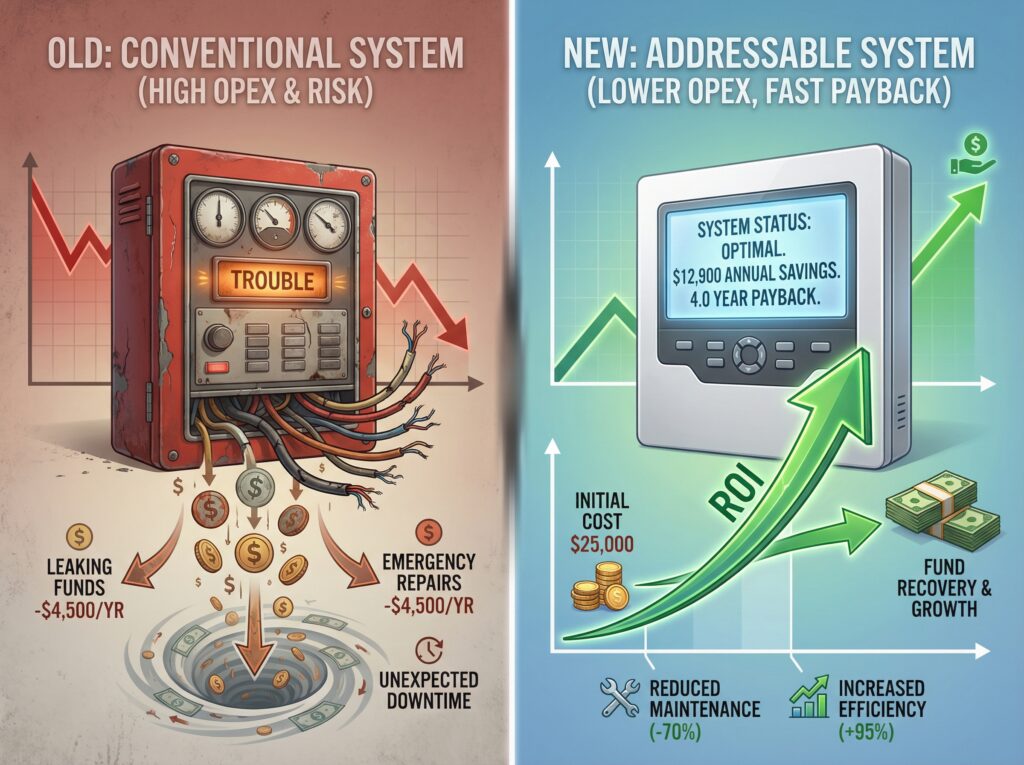
Fire alarm system upgrades are financially justified for buildings with aging, chronic systems. The analysis shows that for a 22,000-square-foot building, a $52,000 investment yielded $12,900 in net annual operational savings, plus avoided costs from an emergency replacement. This generated an approximate 3-year complete payback and a 38% five-year ROI. Upgrades move beyond safety alone, becoming a financially sound improvement that pays for itself through efficiency and avoided costs.
How Remote Alarm Monitoring Reduced Emergency Response Time
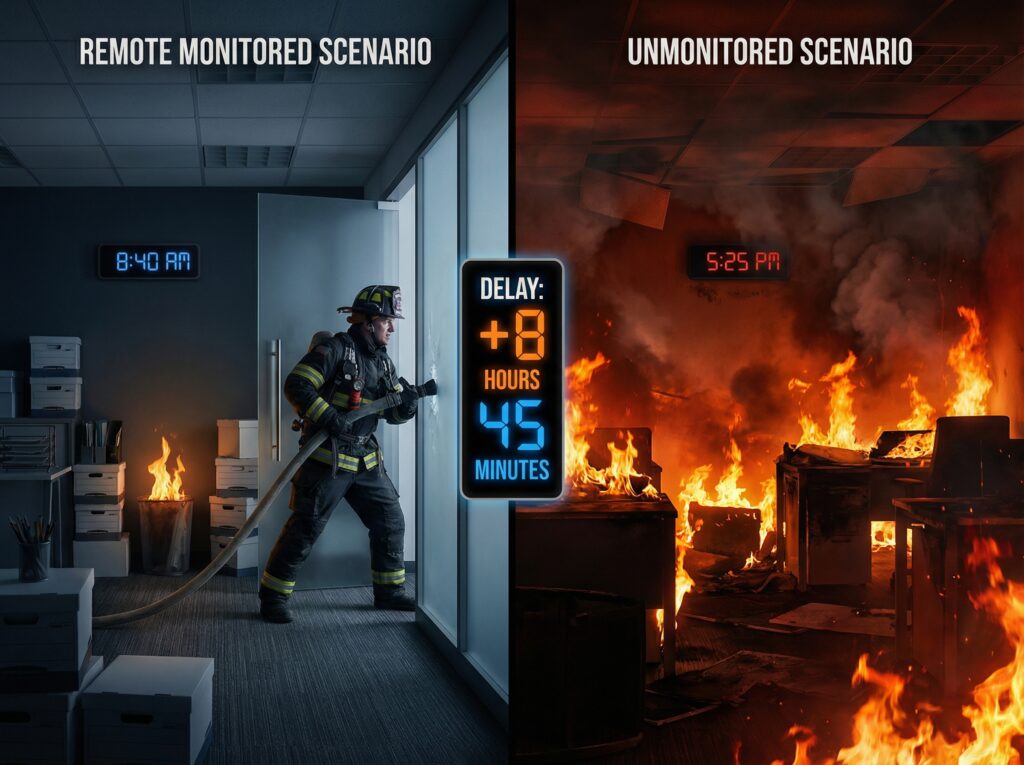
Remote fire alarm monitoring drastically reduces the time gap between fire detection and emergency response. In an unoccupied building scenario, monitoring cut the response time from 17 minutes 25 seconds to 8 minutes 40 seconds—a difference of 8 minutes 45 seconds. This time saving is critical because fire growth is exponential; these minutes can prevent a small fire from progressing to a catastrophic loss, potentially saving hundreds of thousands of dollars in damage.
From Old Wiring to Cloud Alerts: One Hospital’s Alarm Story
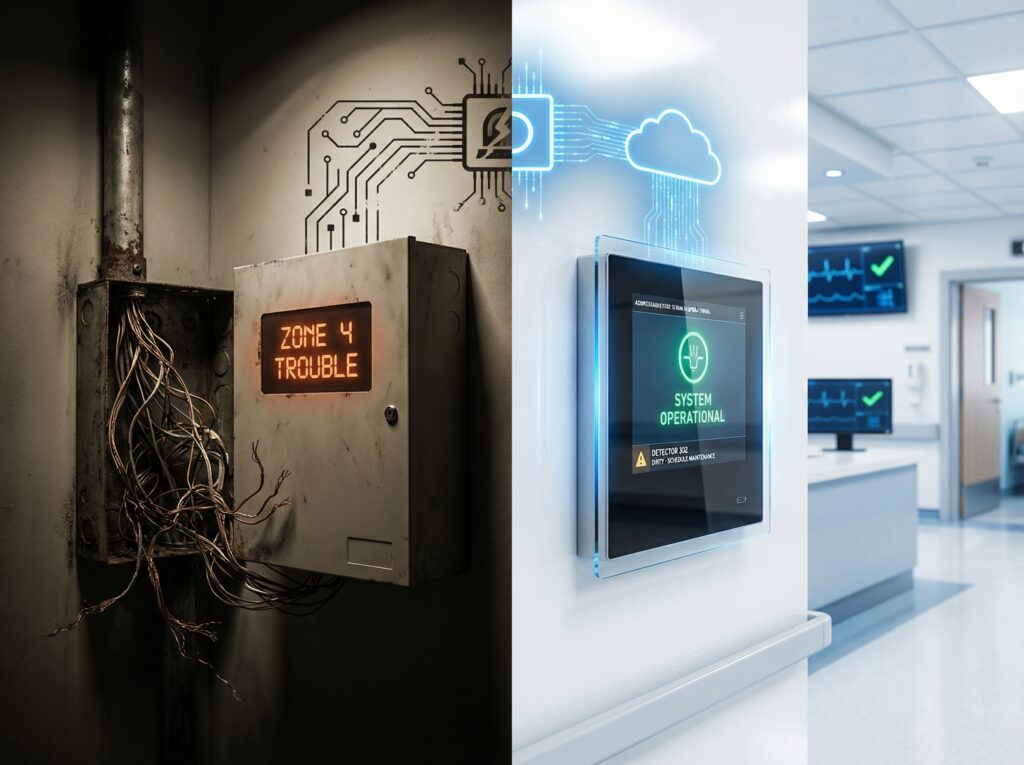
“We spent five years managing an increasingly unreliable system, dealing with false alarms, paying escalating maintenance costs, and worrying about catastrophic failure. The new system works quietly in the background doing its job. We have reliable fire protection, better building integration, reduced operating costs, and eliminated a major compliance and liability concern. Was $250,000 a significant investment? Yes. Was it worth it? Absolutely. That confidence is worth more than the money we spent.”
7 Signs Your Fire Alarm System Needs an Urgent Upgrade
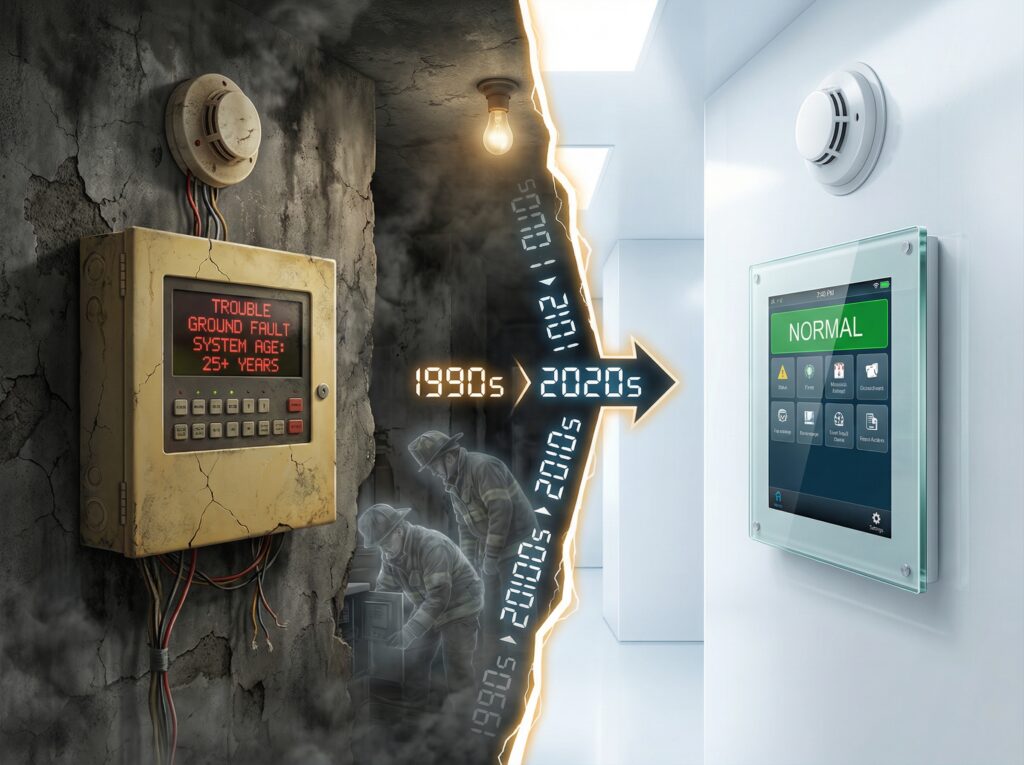
Fire alarm systems typically protect buildings for 15-25 years before transitioning from protection to liability. Recognizing warning signs early allows property managers to plan proactive replacement instead of emergency replacement after catastrophic failure. Indicators include system age exceeding 15 years, chronic trouble conditions, unavailable parts, increasing false alarms, and poor device supervision. When multiple signs are present, replacement is recommended. Proactive replacement costs significantly less than emergency replacement, ensuring reliable life safety protection.
How Our Monitoring Team Caught a Fire Before It Spread
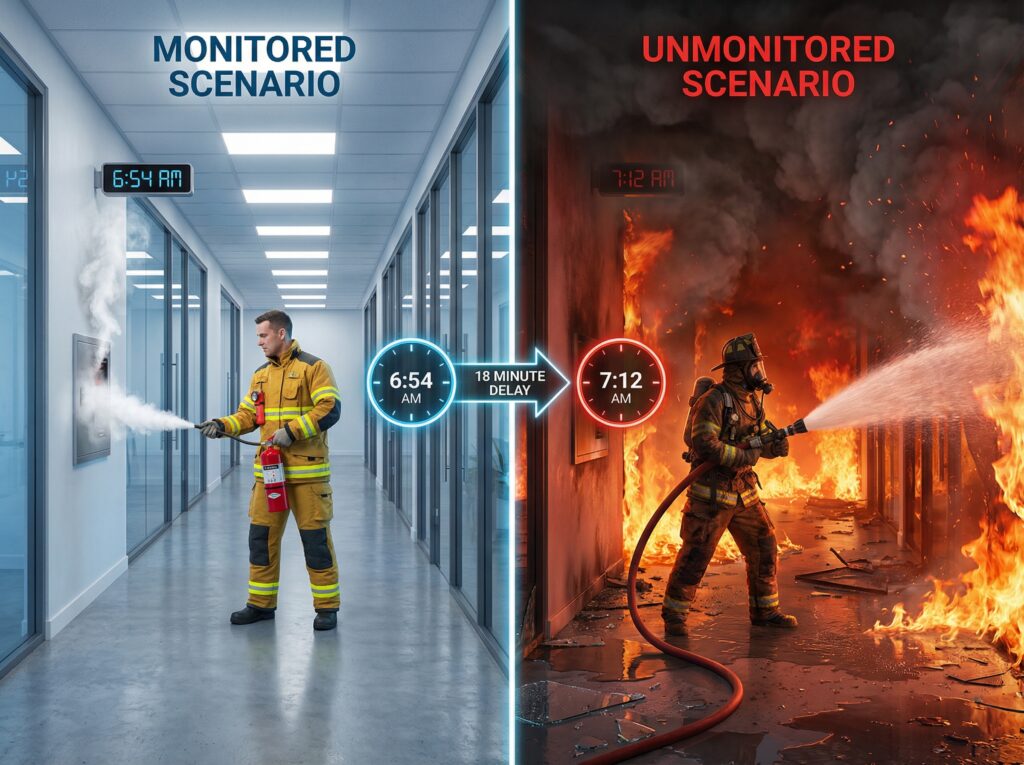
Professional fire alarm monitoring accelerates emergency response by reducing notification time from detection to fire department dispatch. This time advantage—typically several minutes during occupied periods and tens of minutes during unoccupied periods—affects fire growth, damage severity, and suppression requirements. The difference between monitored and unmonitored scenarios can be significant, potentially resulting in millions of times larger fires and exponentially greater damage if response is delayed. For most commercial buildings, monitoring represents a reasonable investment against fire damage potential and business interruption risk.
Real Results: 99.9% Signal Reliability Across 3,000 Sites
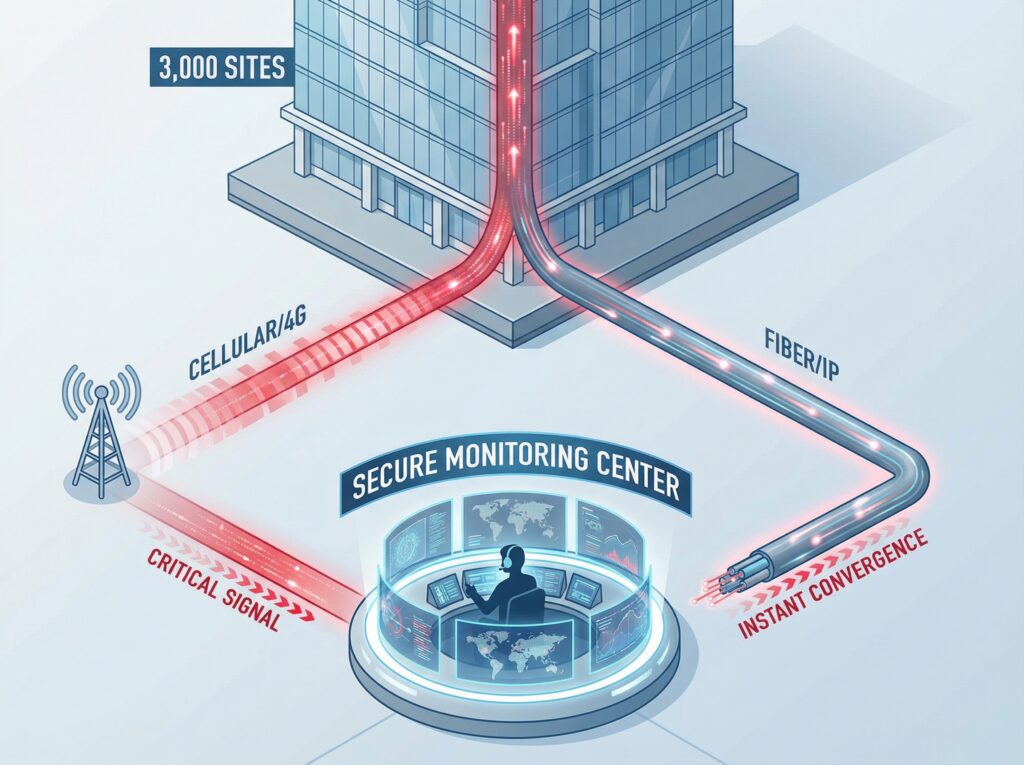
The 99.9% signal reliability figure represents achievable performance for properly maintained fire alarm systems with professional monitoring. This isn’t theoretical—it’s documented through industry data and UL monitoring station audits. Achieving this reliability requires specific conditions: approved communication equipment, UL-listed monitoring, regular testing, responsive maintenance, and appropriate communication paths. The remaining 0.1% failures are largely preventable through dual-path communication and proactive maintenance, demonstrating that investing in industry-standard reliability makes economic and safety sense.
What Every Facility Needs Before Scheduling an Alarm Test
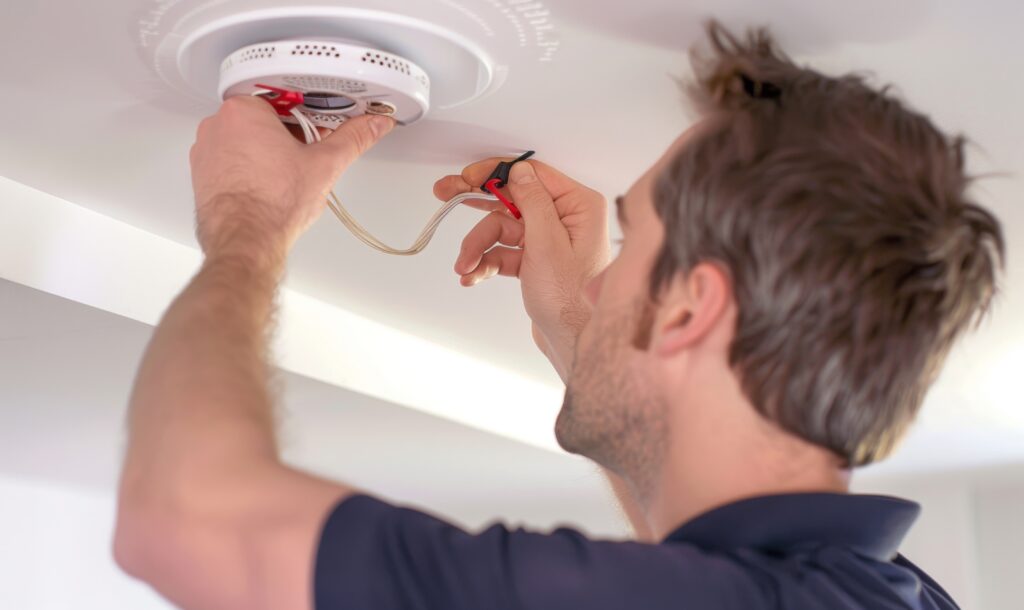
Fire alarm testing isn’t optional. NFPA 72 mandates annual testing of all fire alarm system components. Testing without proper preparation causes expensive, disruptive failures, as illustrated by an incident where failure to notify the fire department and occupants led to fines and unnecessary emergency response. Multiple authorities require notification before testing occurs. This article covers every notification, coordination step, permit, and documentation requirement facilities must complete before scheduling any fire alarm test to ensure a smooth, compliant, and efficient process.
The #1 Fire Alarm Mistake Most Property Managers Make
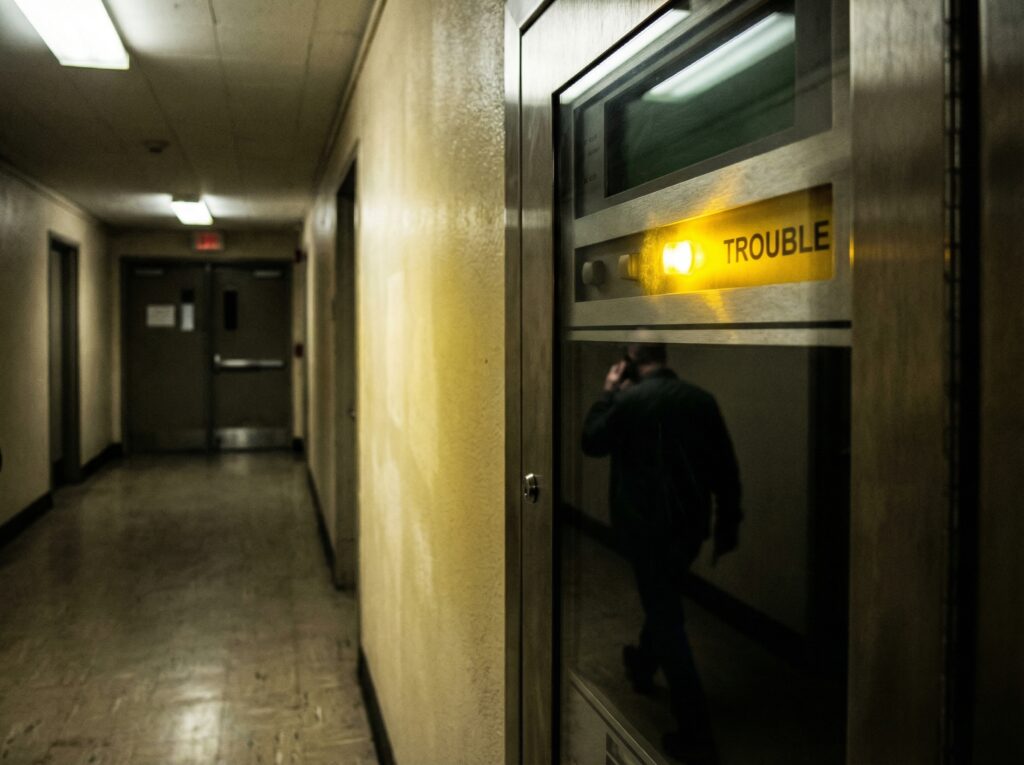
This thought process—treating fire alarm troubles as non-urgent—represents the single most expensive mistake property managers make regarding fire protection systems. Ignoring trouble conditions costs money every day they remain unresolved, creates liability during fires, and systematically undermines the reliability of fire protection systems protecting building occupants. Fire alarm control panels monitor system integrity continuously. When the panel detects problems, it activates trouble indicators. The most common mistake is failing to respond to these signals immediately.
How We Replaced a 10-Year-Old Alarm System in 2 Days
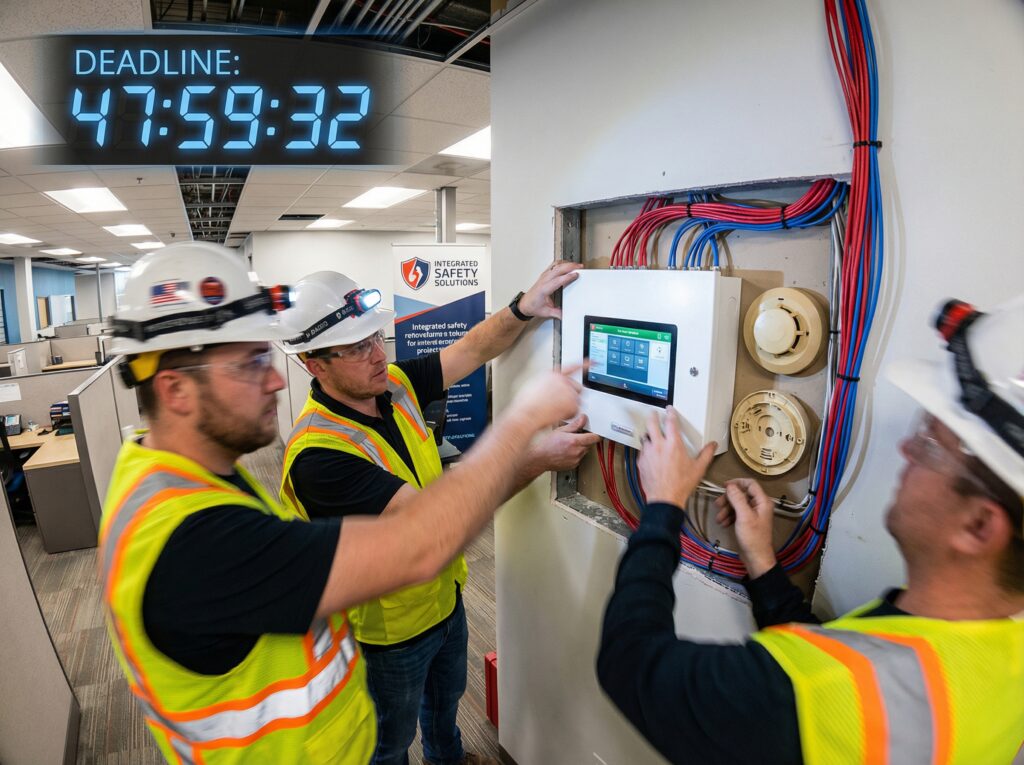
Replacing a fire alarm system in a weekend is possible for smaller buildings (under 40,000 sq ft) with fewer than 200 devices, provided there is extensive advance planning (8-10 weeks). The process uses a “parallel installation” approach, keeping the old system operational until the new one is ready for a quick 30-60 minute cutover, ensuring continuous fire protection. While labor costs are higher due to premium rates, the total project cost can be comparable or lower when factoring in avoided business disruption.
Why NFPA-Compliant Alarms Save Thousands in Fines

NFPA 72 compliance requires documented, timely testing, not just good intentions. Violations result in fines ranging from $250 to $10,000+ per incident, depending on severity. Beyond fines, non-compliance weakens insurance claims, potentially costing tens of thousands in denied or reduced settlements. Proactive annual compliance costs roughly $3,700-$7,700, while a reactive approach, including fines and repair costs, can exceed $13,000 in a single year, making preventative maintenance the financially sound choice.