Common Reasons Buildings Fail Fire Inspections
Most facility managers believe passing a fire inspection is a straightforward process. The reality is that even minor oversights can lead to significant violations. Understanding the common reasons buildings fail fire inspections is crucial for maintaining safety and compliance.
—
Introduction
Fire safety inspections are essential to ensure the safety of building occupants, protect property, and comply with local regulations. However, many buildings face challenges during these inspections, often due to overlooked details or misunderstandings about the codes. In this article, we’ll explore the most frequent fire code violations, discuss their implications, and provide practical solutions to help ensure your building passes its next inspection.
—
Understanding Fire Code Violations
Key Point: Fire code violations are breaches of regulations established to prevent fire hazards and ensure safety.
Common Types of Fire Code Violations
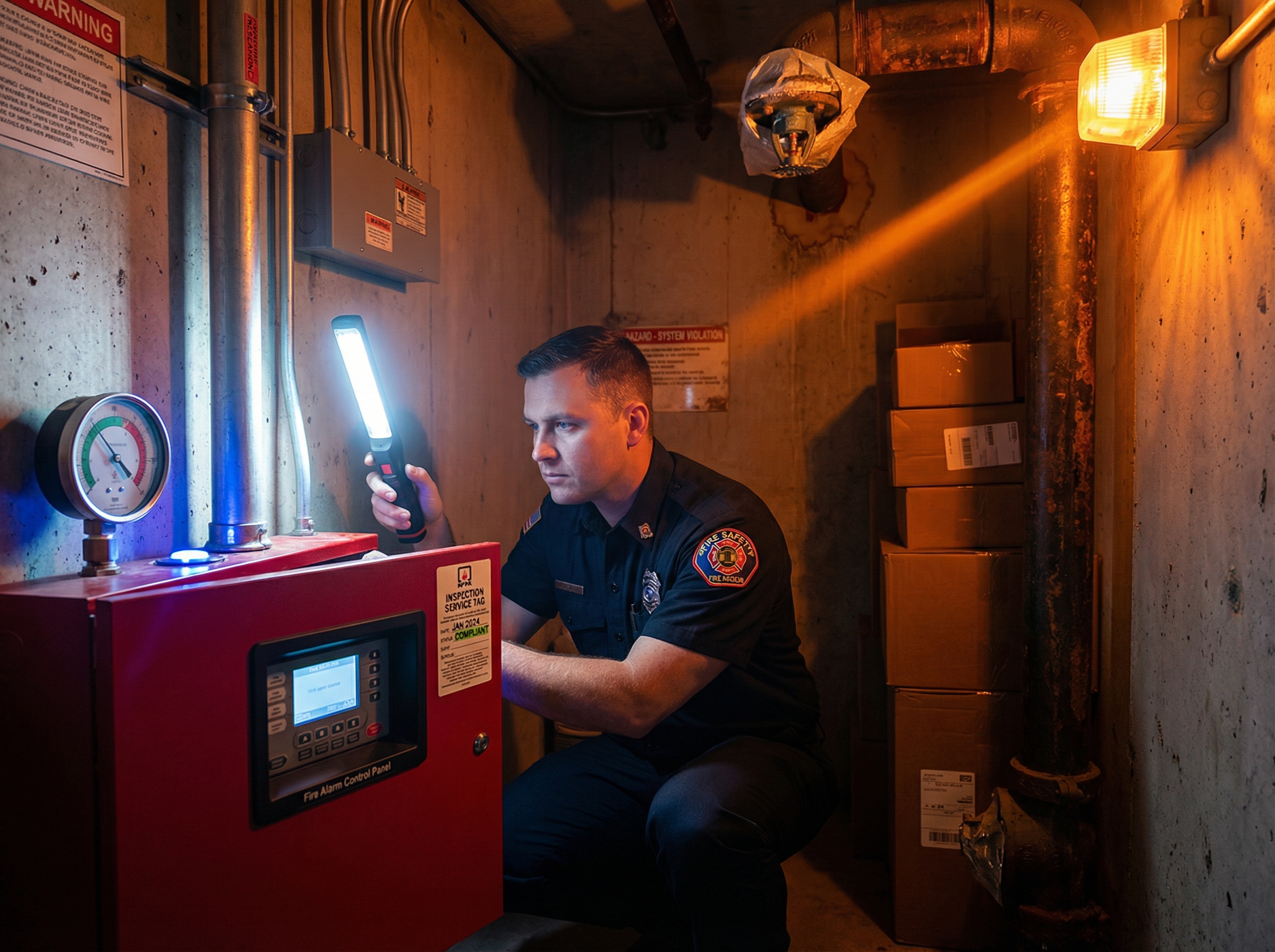
1. Blocked Exits: Doors, corridors, and emergency exits must remain unobstructed. Unfortunately, storage and other obstructions often block these vital pathways during inspections.
2. Improper Fire Extinguisher Maintenance: Fire extinguishers must be easily accessible, fully charged, and annually inspected by a qualified technician.
3. Faulty Fire Alarms and Smoke Detectors: Regular testing and maintenance are critical. Malfunctioning alarms can lead to catastrophic consequences.
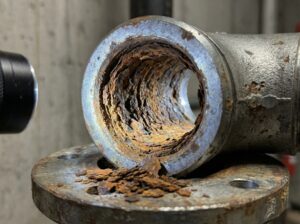
4. Non-compliant Fire Sprinkler Systems: Sprinkler systems must comply with NFPA 13 standards. Any deviations can result in costly violations.
5. Inadequate Signage: Proper signage is needed for exits and fire equipment. Lack of compliant signage can lead to confusion during an emergency.
[Explore more about NFPA standards]
—
The Fire Safety Inspection Process
Key Point: Understanding the inspection process can help in proactive preparation.
Inspection Phases
1. Preparation: Gather all relevant documentation, including maintenance logs and past inspection reports. Ensure all fire safety equipment is functioning and up to date.
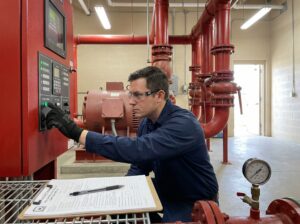
2. On-site Inspection: Inspectors will evaluate the building’s fire safety systems, checking for compliance with local and national codes.
3. Report and Follow-up: Post-inspection, you’ll receive a report outlining any violations. Prompt corrections are necessary to avoid penalties.
Pro Tip: Creating a checklist before an inspection can ensure you cover all critical areas.
—
Preventative Measures to Avoid Failing
1. Regular Maintenance:
- [ ] Schedule monthly checks of fire alarms and smoke detectors.
- [ ] Test fire sprinkler systems quarterly to ensure functionality.
2. Staff Training:
- [ ] Train staff on emergency procedures and proper use of fire equipment.
- [ ] Conduct regular fire drills to reinforce emergency protocols.
3. Documentation and Compliance:
- [ ] Keep up-to-date records of all fire safety equipment inspections and maintenance.
- [ ] Stay informed about changes in local fire codes and standards.
4. Professional Assessments:
- [ ] Hire a fire safety professional for an annual assessment to identify potential risks.
—
Real Consequences of Non-compliance
Warning: Non-compliance with fire codes isn’t just a regulatory issue; it poses a serious risk to lives and property.
- Legal Penalties: Heavy fines and legal action can be imposed for repeated violations.
- Insurance Implications: Non-compliant buildings may face higher insurance premiums and potential claim denials.
- Business Interruption: Failure to pass inspections can lead to business shutdowns until issues are resolved.
—
Case Study: A Wake-up Call for Compliance
In a recent case, a commercial building faced multiple violations due to neglected fire safety measures. Blocked exits and unmaintained fire alarms led to hefty fines and temporary closure. After consulting with experts, they implemented a comprehensive fire safety plan, resulting in a successful follow-up inspection. This case underscores the importance of regular maintenance and professional guidance.
—
48Fire Protection Services
48Fire Protection offers a range of services tailored to help you maintain compliance and ensure safety:
- Fire Alarm Testing: Our certified technicians conduct thorough testing and maintenance of fire alarms to ensure reliability.
- Sprinkler System Inspections: We provide detailed inspections to verify your systems meet NFPA standards.
- Staff Training Programs: Customized training sessions are available to prepare your team for emergency situations.
- Compliance Consultation: Our experts will guide you through local fire codes and recommend best practices to avoid violations.
[Learn more about our services]
—
Conclusion
Understanding the common reasons buildings fail fire inspections is the first step in ensuring compliance and safety. By addressing potential violations proactively, you can protect your occupants and property while avoiding costly penalties.
For expert guidance and comprehensive fire protection services, [Contact 48Fire Protection]
—