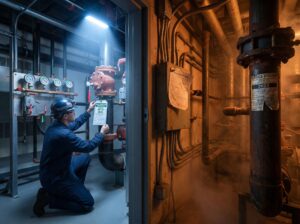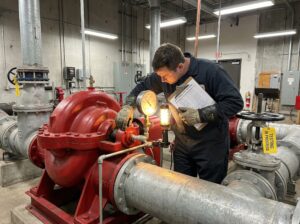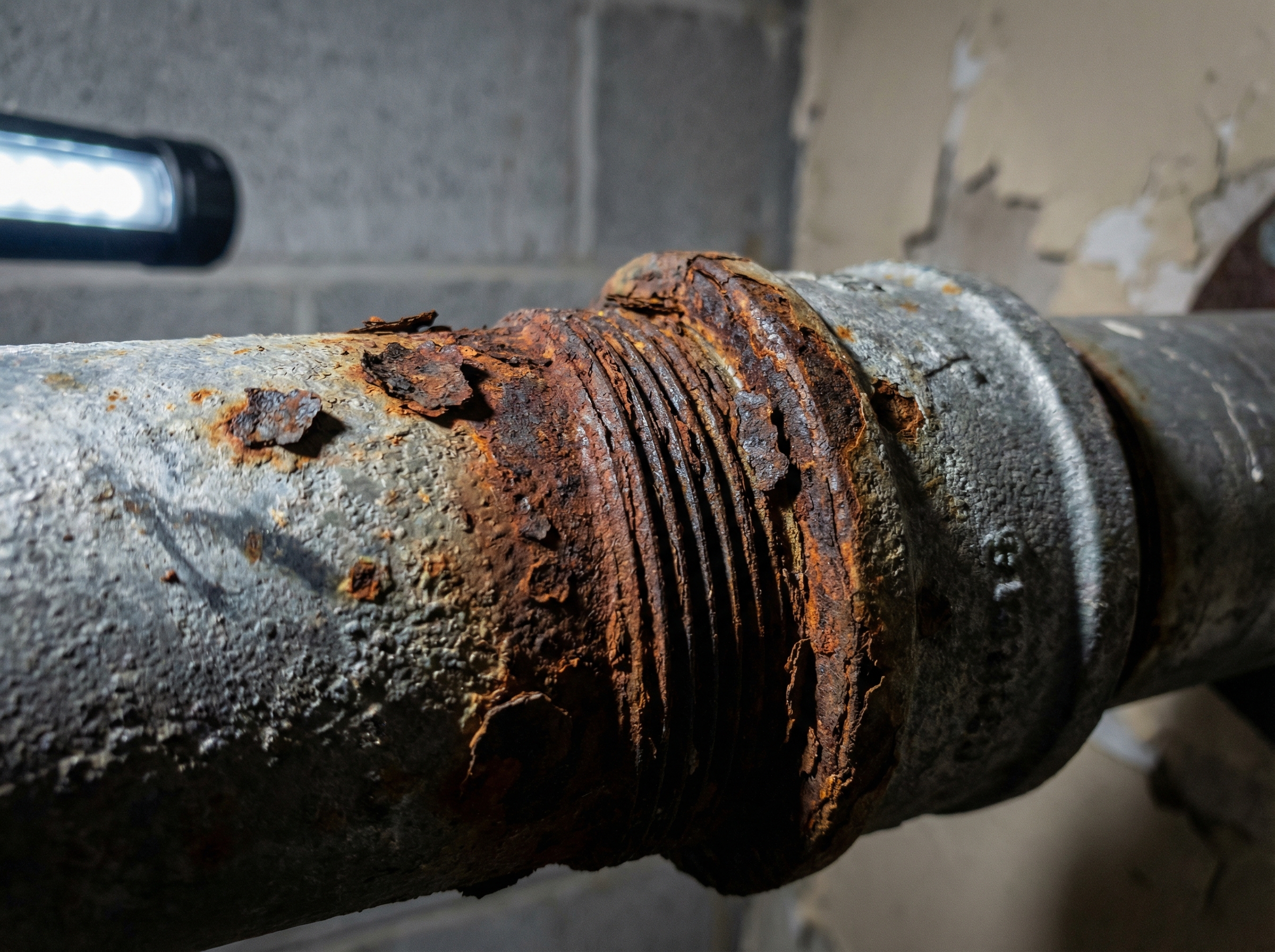
Question: What if your building’s fire protection isn’t truly protective unless it’s maintained continuously, tested regularly, and tracked with precise documentation? In many facilities, compliance is treated as a yearly checklist rather than a live, evolving program. The result is a hidden risk—systems that may fail when you need them most, enforcement headaches at audit time, and preventable losses that erode margins and reputation. Fire protection compliance isn’t a one-and-done obligation; it’s an ongoing discipline that blends operations, engineering, and governance into a single, continuous maintenance culture.
—
In this article, we’ll explore why Fire Safety Maintenance and Fire Code Compliance must be treated as ongoing maintenance, not a static annual ritual. You’ll discover how to build a resilient program that aligns with the realities of the modern facility, addresses regulatory demands, cuts risk, and delivers real value over the life cycle of your fire protection systems. We’ll anchor the discussion in established standards and regulations, then translate them into practical actions you can deploy—whether you’re a building owner, facility manager, contractor, or AHJ (Authority Having Jurisdiction).
Throughout, you’ll find practical checklists, concrete frequencies, and authoritative references to support your program. Where relevant, we’ve included citations to regulatory standards to help you justify decisions to leadership and auditors.
—
The Problem: Compliance as an Annual Check, Not an Ongoing Practice
Most facilities manage fire protection compliance as a cadence of annual inspections, a handful of service calls, and a pile of maintenance invoices. The reality, however, is that fire protection systems are complex, dynamic assets that interact with building use, occupancy, climate, and evolving regulations. When maintenance becomes a box-checking exercise, several failure modes emerge:
- Components drift out of tolerance between annual tests, risking delayed detection, degraded extinguishing capability, or faulty alarm signaling.
- New hazards or changes in occupancy aren’t reflected in the maintenance plan, leaving gaps unaddressed.
- Documentation gaps make it harder to prove ongoing compliance, leading to delays during audits or AHJ reviews and the potential for fines or forced corrective action.
- Aging equipment is left in service longer than it should be, or critical testing is postponed due to cost or downtime considerations, increasing the likelihood of sudden, unplanned failures.
These risks are not theoretical. They can translate into property damage, business interruption, injuries, and higher insurance premiums. The core issue is perceptual: compliance is an annual event, when in reality it’s an ongoing lifecycle process that requires systematic planning, execution, documentation, and continuous improvement.
To shift this perception, we must redefine compliance as an integrated maintenance discipline that spans people, processes, and technology. The aim is to move from reactive, incident-driven maintenance to proactive, evidence-based maintenance that reduces risk and improves reliability.
—
Defining Fire Safety Maintenance and Fire Code Compliance
Before diving into how to implement an ongoing program, it’s essential to distinguish between two closely related ideas: Fire Safety Maintenance and Fire Code Compliance.
- Fire Safety Maintenance is the practical, day-to-day care of fire protection assets to ensure they operate as designed. It includes inspections, tests, repairs, calibrations, and predictive activities that preserve system performance between formal compliance events.
- Fire Code Compliance is the demonstrated adherence to the applicable laws, standards, and codes that govern the installation, testing, and operation of fire protection systems. Compliance evidence typically resides in records, certifications, and a documented ITM (inspection, testing, and maintenance) regimen.
Seen together, these concepts describe an end-to-end lifecycle: you maintain systems so they remain capable, and you document that capability to show compliance to regulators, insurers, tenants, and owners.
Key standards guide this lifecycle. The most widely recognized frameworks include OSHA’s requirements for testing and maintenance, and the NFPA standards that govern the ITM of fire protection systems. The essential pieces of the landscape include:
- OSHA requirements for the maintenance and testing of fire detection and portable extinguishers.
- NFPA 25 and related NFPA standards that define the ITM scope for water-based fire protection systems, including sprinklers, whether they are wet, dry, deluge, or antifreeze systems.
We’ll summarize the regulatory anchors in the next section and then translate them into practical program elements.
—
Regulatory Foundations: What the Regulators Expect
Regulatory references are not mere compliance checklists; they reflect the safety and reliability expectations for modern facilities. The primary goals of these standards are to ensure detection, alerting, and containment are reliable, timely, and traceable. Here are the core references we reference to ground an ongoing maintenance program:
- 29 CFR 1910.164 Fire detection systems (OSHA)
- This standard covers the operation, testing, and maintenance of fire detection and alarm systems in general industry. The key insight is that employers must keep fire detectors and detection systems in operable condition and perform testing/adjustments as needed to maintain reliability, with prompt restoration after tests or alarms.
- Practical takeaway: your system should be maintained in a ready state, with tests and resets completed promptly, and records kept to prove compliance.
[OSHA: 29 CFR 1910.164 Fire detection systems]
- 29 CFR 1910.157 Portable fire extinguishers (OSHA)
- This standard requires monthly visual inspections of portable extinguishers and an annual maintenance check, with maintenance records retained for specified durations. It reinforces that even simple, portable devices require human oversight and formal documentation.
- Practical takeaway: a robust program must include monthly visual checks, annual maintenance, and meticulous recordkeeping.
[OSHA: 29 CFR 1910.157 Portable fire extinguishers]
- Understanding NFPA 25
- NFPA 25 governs the inspection, testing, and maintenance (ITM) of water-based fire protection systems. It is updated every three years, which means ITM requirements evolve. Building owners, inspectors, and AHJs must stay current with the standard to ensure safety compliance.
- Practical takeaway: your ITM program must align with the latest edition of NFPA 25 to avoid gaps and comply with evolving expectations.
- NFPA 25 – Standard for the Inspection, Testing, and Maintenance of Water-Based Fire Protection Systems
- This standard provides the detailed ITM framework for sprinkler systems, demand actuations, water supply adequacy, and system integrity checks. It is the backbone of best practices for fire sprinkler systems and related water-based components.
- Practical takeaway: adopt NFPA 25 as the ITM backbone for all water-based systems and schedule ITM activities around its cycles.
[NFPA 25 – Standard for the ITM of Water-Based Fire Protection Systems]
These references form the backbone of a legally compliant, technically sound, and auditable program. They tell us two things:
1) Maintenance and testing cannot be deferred indefinitely; they must be timely and well-documented.
2) The standards evolve; your program must adapt as codes update.
—
From Problem to Solution: Building an Integrated Ongoing Maintenance Program
The path to ongoing maintenance begins with a shift in mindset and a structured method for program design. The objective is not to survive annual audits but to continuously reduce risk through reliable detection, effective suppression, and complete traceability. The solution framework includes four layers:
1) Governance and ownership: Define roles, responsibilities, and escalation paths.
2) Asset-centric ITM planning: Catalog every asset, determine its testing frequency, and map it to regulatory requirements and manufacturer recommendations.
3) Documentation and data integrity: Create a single source of truth for all ITM activities, including test results, deficiencies, repairs, and re-inspections.
4) Continuous improvement: Use data to optimize frequencies, adjust strategies, and close gaps before they become problems.
Below is a practical road map you can adapt, featuring concrete actions, recommended frequencies, and decision points.
—
Key Components of an Ongoing Fire Protection ITM Program
To operationalize ongoing maintenance, build the program around the following components. Each component should be documented, assigned owners, and tied to measurable outcomes.
1) Asset Inventory and Classification
- Create a comprehensive asset registry that includes:
- System type (water-based sprinkler, detection, extinguishers, foam systems, etc.)
- Location and occupancy type
- Manufacturer, model, and serial numbers
- Original installation date and last performance verification
- Criticality tier (life safety, critical infrastructure, non-critical)
- Classify assets by maintenance category (detection, extinguishment, suppression, signaling, power and control, annunciation).
2) ITM Planning and Scheduling
- Develop a schedule that aligns with regulatory requirements and manufacturer recommendations.
- Establish testing frequencies (daily checks, monthly inspections, quarterly tests, semi-annual and annual tests) and assign owners.
- Build in downtime allowances for testing to minimize operational disruption, while ensuring the work is completed within required windows.
3) Testing, Inspection, and Maintenance (ITM)
- Regular tasks should include:
- Visual inspections for damage, corrosion, blockage, and tamper indicators
- Functional tests for alarms, detectors, and notification appliances
- Mechanical testing for sprinkler operation, valve integrity, and water supply
- System flushing, where applicable, to maintain water quality
- Recharge and refill after alarm or discharge events
- Calibration of sensors and suppression devices to maintain specified setpoints
- Ensure testing is performed by qualified personnel in compliance with applicable codes and standards.
4) Documentation and Recordkeeping
- Maintain an electronic, auditable record of all ITM activities, including:
- Test results, photos, and calibration data
- Deficiencies and corrective actions
- Service provider names, dates, and work performed
- Re-inspection dates and approvals
- Any deviations from standard procedures or negotiated acceptances
- Version control and secure storage are essential to support regulatory reviews and insurer audits.
5) Deficiency Management and Remediation
- Establish a formal process to handle deficiencies:
- Immediate hazard flags vs. non-immediate issues
- Corrective action plans with due dates
- Temporary mitigations when prompt repair isn’t possible
- Track closeout and verify remediation through re-inspection or testing.
6) Training and Competence
- Invest in ongoing staff training on system operation, testing procedures, and regulatory updates.
- Provide operator-level training for daily checks and tenant-facing alerts to support occupant safety and response.
7) Change Management and Communications
- Manage changes to occupancy, layout, or system modifications with updated ITM plans.
- Communicate changes to all stakeholders (building management, tenants, regulators) with clear documentation.
8) Audit Readiness and Compliance Assurance
- Prepare for internal and external audits with organized, accessible records and demonstrable ITM history.
- Use audits as a learning mechanism to refine processes and prevent recurrence of deficiencies.
—
Practical Details: What to Do Daily, Weekly, Monthly, Quarterly, and Annually
A clear, well-documented maintenance calendar is the backbone of ongoing compliance. The frequencies below are illustrative and should be aligned with your system types, manufacturer specifications, and regulatory requirements. Always verify against the exact code language and the system’s manufacturer recommendations.
Tables are helpful for quick reference; below is a practical example you can adapt.
Table: Typical ITM Frequencies for Common Fire Protection Assets
| Asset Type | Daily / Immediate | Weekly | Monthly | Quarterly | Semi-Annual | Annual | Notes |
|---|---|---|---|---|---|---|---|
| Fire detection systems (zones, panels) | Visual status; alarms test via simulated events where permitted | N/A | Visual checks for indicators; verify battery status | Functional test of alarm signaling and control functions | System reboot and battery test; verify data integrity | Full diagnostic testing per NFPA/ manufacturer | Regulatory requirements may require annual functional tests; patch management applies to software/firmware |
| Portable extinguishers | N/A | N/A | Visual check (pressure gauge, accessibility) | Annual maintenance check | N/A | Replacements or service as needed; service tag updated | Visual monthly inspection required by OSHA |
| Fire sprinkler systems (water-based) | N/A | N/A | N/A | Functional water-flow alarms and supervisory signal checks | Pre-test procedures for testing | Full ITM per NFPA 25; hydrostatic tests per code | NFPA 25 updates every 3 years; keep current edition |
| Fire alarm power supplies | N/A | N/A | Battery status checks | N/A | Battery test (load) | End-to-end electrical testing | Ensure battery backups function during outages |
| Suppression systems (foam, cleanagents) | N/A | N/A | Functional checks of release mechanisms | Partial tests as allowed by code | System discharge testing where permitted | Complete ITM per the system type | Vendor-specific testing windows; minimize system downtime |
Notes:
- The above reflects a practical approach grounded in common regulatory expectations and NFPA guidance. Always cross-check with the specific system manufacturer’s maintenance manual and the exact edition of NFPA 25 applicable to your project.
- For water-based systems, ITM must be tightly aligned with NFPA 25 to verify water supply adequacy, pipe integrity, valve operation, and sprinkler condition.
Citations:
- OSHA guidance for fire detection systems and routine testing. [OSHA: 29 CFR 1910.164 Fire detection systems]
- OSHA guidance for portable extinguishers and inspection requirements. [OSHA: 29 CFR 1910.157 Portable fire extinguishers]
- Understanding NFPA 25 and its role in ITM programs. [Understanding NFPA 25]
- NFPA 25 – Standard for the ITM of Water-Based Fire Protection Systems. [NFPA 25 – ITM standard]
—
The Importance of Documentation: Evidence You Can Show
Documentation is not bureaucratic baggage; it is the tangible evidence that your program works. Without robust documentation, you can’t prove that you maintained the system, identified issues, or completed corrective actions—nor can you demonstrate to AHJs, insurers, and tenants that you are committed to safety.
Key documentation components include:
- Asset registry with current status, location, and criticality.
- ITM schedules showing dates, responsible parties, and execution evidence.
- Test results with pass/fail outcomes, readings, and calibration details.
- Photos and video clips from inspections or tests to illustrate condition.
- Deficiency logs with root cause and corrective action plans.
- Change orders and approvals for any modifications or upgrades.
- Training records for personnel conducting inspections and maintenance.
- Audit-ready summaries highlighting system status, compliance posture, and risk controls.
- Best practice: maintain a centralized, digital repository with restricted access, audit trails, and version control. This approach minimizes the risk of lost records and makes it easier to prepare for regulatory reviews or insurance inquiries.
—
Common Pitfalls and How to Avoid Them
Even with good intentions, many organizations stumble on the path to ongoing compliance. Here are some common pitfalls and practical remedies:
- Pitfall: Treating ITM as a project, not a program.
- Remedy: Embed ITM into daily operations and facility management routines with defined owners and performance metrics.
- Pitfall: Relying on one service provider for everything.
- Remedy: Maintain a network of approved vendors with defined scopes of work and escalation paths to cover expertise gaps (detection, suppression, water-based systems, and extinguishers).
- Pitfall: Infrequent recalibration or firmware updates.
- Remedy: Schedule firmware updates and recalibration aligned to vendor releases; maintain a version history.
- Pitfall: Inadequate change management.
- Remedy: Tie ITM updates to occupancy changes, renovations, or equipment replacements with a formal change management process.
- Pitfall: Poor recordkeeping.
- Remedy: Use standardized digital forms, photo documentation, and automated reminders for re-inspections and maintenance due dates.
- Pitfall: Inadequate training.
- Remedy: Implement ongoing training programs for facilities staff and tenants, with refreshers on safety procedures and alarm protocols.
—
Implementation Playbook: A Five-Phase Roadmap
Here is a practical five-phase roadmap you can adapt to your organization. Each phase builds on the previous one and culminates in a robust, auditable compliance program.
1) Discovery and Baseline Assessment
- Inventory all fire protection assets and categorize by criticality.
- Review current ITM records and identify gaps.
- Align with applicable standards (OSHA, NFPA 25, etc.).
2) Design and Governance
- Define roles, responsibilities, and escalation paths.
- Establish ITM frequencies consistent with standards and manufacturer recommendations.
- Create templates for test results, deficiencies, and corrective actions.
3) Implementation and Field Execution
- Begin ITM activities according to the plan.
- Ensure technicians are credentialed for the specific systems they service.
- Capture results with standardized forms and photos; attach to asset records.
4) Verification and Optimization
- Conduct internal audits of ITM records and POEs (proof of executions).
- Use data analytics to identify trends, anticipate failures, and adjust frequencies.
5) Continuous Improvement and Sustainment
- Update the program for code changes and system upgrades.
- Provide ongoing training and refreshers.
- Maintain an open feedback loop with occupants and building management to address concerns quickly.
- Pro tip: Build quarterly management reviews to ensure the program remains aligned with organizational risk tolerance and regulatory expectations.
—
Quantifying the Value: Why Ongoing Maintenance Pays Off
An ongoing maintenance approach isn’t just about compliance; it’s about risk reduction, operational continuity, and cost efficiency. The financial and safety benefits include:
- Reduced risk of catastrophic failures due to proactive detection and timely remediation.
- Decreased liability exposure from non-compliance during audits, lawsuits, or insurance reviews.
- Lower operating costs over the life cycle of fire protection assets through extended equipment life and optimized replacement planning.
- Improved tenant confidence and business continuity, thanks to predictable safety performance and transparent documentation.
To put numbers to it, consider these illustrative outcomes you can strive for:
- A 20–40% reduction in emergency repairs due to earlier detection of issues that degrade system performance.
- A measurable decrease in downtime during tests and maintenance windows, reducing disruption to tenants and operations.
- A clear return on investment (ROI) for ITM program investments as you extend system life and reduce property loss risk.
Note: Specific financial results will vary by building type, system complexity, occupancy, and climate conditions. The point is to target measurable reductions in risk and improvement in reliability, which translates to tangible business value.
Citations:
- OSHA guidance on testing and maintenance expectations for fire detection systems. [OSHA: 29 CFR 1910.164 Fire detection systems]
- OSHA guidance for portable extinguishers, including monthly inspections. [OSHA: 29 CFR 1910.157 Portable fire extinguishers]
- NFPA 25’s ITM framework and its updates. [Understanding NFPA 25]
- NFPA 25 – Official standard for ITM of water-based systems. [NFPA 25 – ITM standard]
—
Case Study Snapshot: How a Mid-Sized Office Complex Gained Compliance Confidence
Consider a mid-sized office campus with 12 buildings, a mix of wet sprinkler zones, dry systems, and a central life safety fire alarm system. Prior to overhaul, the facility relied on annual checks and ad-hoc fixes. The risk of a false alarm or a delayed response during a live incident was not theoretical—it was a real, pressing concern based on inconsistent documentation and intermittent testing.
Key actions taken:
- Implemented a single ITM registry with asset-level detail and owner assignments.
- Established a quarterly audit cycle to review all ITM data and verify remediation activities.
- Migrated to a digital workflow for test results, photos, and certificates, with automated reminders and escalation for overdue tasks.
- Updated the ITM plan to align with NFPA 25 and manufacturer recommendations, including a three-year cycle for hydrostatic testing where applicable.
Results achieved within 18 months:
- Documented 90%+ completeness in ITM records with traceable reimbursement for all maintenance activities.
- Reduced unaddressed deficiencies by 70% compared to the prior year.
- Improved response times to alarm events due to more reliable detection and annunciation.
This example illustrates the power of an integrated, ongoing maintenance program: you not only meet regulatory obligations but you also create a safer, more reliable building environment with measurable improvements.
Citations:
- NFPA 25 guidelines and updates that informed the program design.
- OSHA guidance applied to daily checks and monthly inspections for detectors and extinguishers.
—
The 48Fire Protection Advantage: Services That Support Ongoing Compliance
As a leading fire protection services partner, 48Fire Protection delivers a comprehensive suite of solutions designed to turn compliance into a seamless, value-creating discipline. Our approach blends field expertise, data-driven processes, and clear communication to help facility teams maintain readiness year-round.
What we offer:
- ITM Program Design and Management
- We craft asset registries, set frequencies, and establish clear ownership across detection, suppression, and signaling systems.
- We align ITM planning with NFPA 25 and OSHA requirements to ensure your program is audit-ready.
- System Inspections and Testing
- Regular testing of fire detection systems (including central monitoring and annunciation), alarms, sprinkler components, and extinguishers.
- Third-party verification of test results to provide independent assurance for regulators and insurers.
- Documentation Management
- Centralized digital recordkeeping, secure storage, and version control for all ITM activities.
- Automated reporting, dashboards, and audit-ready exports to simplify regulatory reviews and internal governance.
- Deficiency Management and Remediation
- Formalized pathways for identifying, prioritizing, and closing ITM deficiencies.
- Coordinated repairs with timeline commitments and post-remediation verification.
- Training and Knowledge Transfer
- Operator-level training for staff and tenants on alarm procedures, safe response protocols, and routine checks.
- Regular updates to reflect code changes, system upgrades, and evolving safety practices.
- Change Management and Occupancy Transitions
- Guidance and execution support for changes in occupancy, renovations, or system modifications to maintain compliance continuity.
- System Modernization and Upgrades
- Assessment of aging components and recommended modernization plans to improve reliability and compliance posture.
- Lifecycle Cost Management
- Strategic planning for preventive maintenance, optimal replacements, and budget-aligned ITM programs that minimize total cost of ownership.
Why clients choose 48Fire Protection for ongoing compliance:
- Deep expertise across water-based systems, detection, passive fire protection, and life-safety signaling.
- Proven processes for ITM planning, field execution, and robust documentation.
- A focus on risk reduction, reliability, and regulatory alignment, not just box-checking.
- Clear, actionable reporting that supports your audits, insurance requirements, and internal governance.
This is not just about meeting the letter of the code; it’s about building a culture of preparedness, where maintenance becomes a natural part of building operations rather than a periodic disruption. Our team works with you to design a program that fits your building’s use, occupancy, and risk profile, and then we monitor, refine, and report so you can demonstrate ongoing compliance with confidence.
For more information about our services and how we can tailor an ITM program to your building, contact us to discuss your specific needs and constraints.
—
Q&A: Common Questions About Fire Protection Compliance as Ongoing Maintenance
- Q: Do I really need an ITM program, or can I rely on occasional tests when the AHJ visits?
- A: Relying solely on AHJ reviews or annual visits leaves you vulnerable to gaps between tests. An ITM program provides proactive risk reduction, consistent documentation, and a defensible compliance posture that stands up to audits and insurance reviews.
- Q: How often should my sprinklers be hydrostatically tested?
- A: Hydrostatic testing frequency is specified by NFPA 25 for many sprinkler systems and depends on system type and age. Always refer to the current edition of NFPA 25 and the manufacturer’s recommendations to establish a schedule that ensures system integrity.
- Q: What if I’m transitioning to a new building management system or upgrading detectors?
- A: Changes require updated ITM plans and possibly revised test frequencies. A formal change management process ensures documentation stays current and compliance is maintained through the transition.
- Q: How do I handle temporary outages or downtime during tests?
- A: Pre-plan maintenance windows, implement interim safety measures, and document any temporary mitigation. The goal is to preserve life safety while achieving testing objectives, with clear records of what was done and why.
- Q: Are there benefits beyond compliance?
- A: Yes. Ongoing maintenance improves reliability, reduces downtime during business operations, enhances tenant confidence, and minimizes long-term replacement costs by preserving system life and performance.
—
How to Get Started: A Simple 6-Step Start-Up Guide
1) Conduct a Baseline Inventory
- Assemble an up-to-date registry of all fire protection assets, locations, and owners.
2) Define Governance and Roles
- Assign accountability for ITM activities, approvals, and remediation.
3) Establish ITM Frequencies
- Create a schedule aligned with NFPA 25, OSHA 1910, and the manufacturer’s specs.
4) Create Documentation Templates
- Standardize test forms, deficiency logs, and remediation records.
5) Pilot and Expand
- Start with a subset of critical assets, validate the process, then roll out across the portfolio.
6) Measure and Improve
- Track metrics (deficiency closure rates, audit readiness, test completion rates) and adjust the program accordingly.
- Pro tip: Automate reminders for upcoming tests and re-inspections to ensure nothing slips through the cracks.
—
Final Thoughts: The Case for Ongoing Fire Protection Compliance
Fire protection compliance is not optional “survival insurance” for emergencies; it is the operational discipline that ensures life safety, protects property, and stabilizes business continuity. The regulatory landscape—OSHA standards and NFPA 25 among others—makes it clear that maintenance and testing are ongoing obligations, not one-time events. When you treat ITM as a living program, you enable a culture of preparedness, reduce risk, and deliver tangible value to building owners, tenants, insurers, and regulators.
The benefits of this approach extend beyond compliance alone. A well-structured ITM program improves reliability, reduces the likelihood of disruptive incidents, and provides a clear, auditable trail that demonstrates due diligence. It’s a strategic investment that pays off through safer buildings, smoother operations, and stronger confidence among all stakeholders.
To support your transition to ongoing Fire Safety Maintenance and Fire Code Compliance, partner with a team that understands both the technical nuances and the governance requirements of modern facilities. The right partner can help you design, implement, and continuously optimize an ITM program that keeps your systems resilient, compliant, and ready to protect what matters most—people, property, and performance.
—
Close with a Call to Action
If you’re ready to elevate your Fire Protection Compliance from annual ritual to ongoing, measurable performance, 48Fire Protection stands ready to help. Our comprehensive ITM design, field testing, documentation, and continuous improvement services are built to keep your systems reliable and compliant year after year.