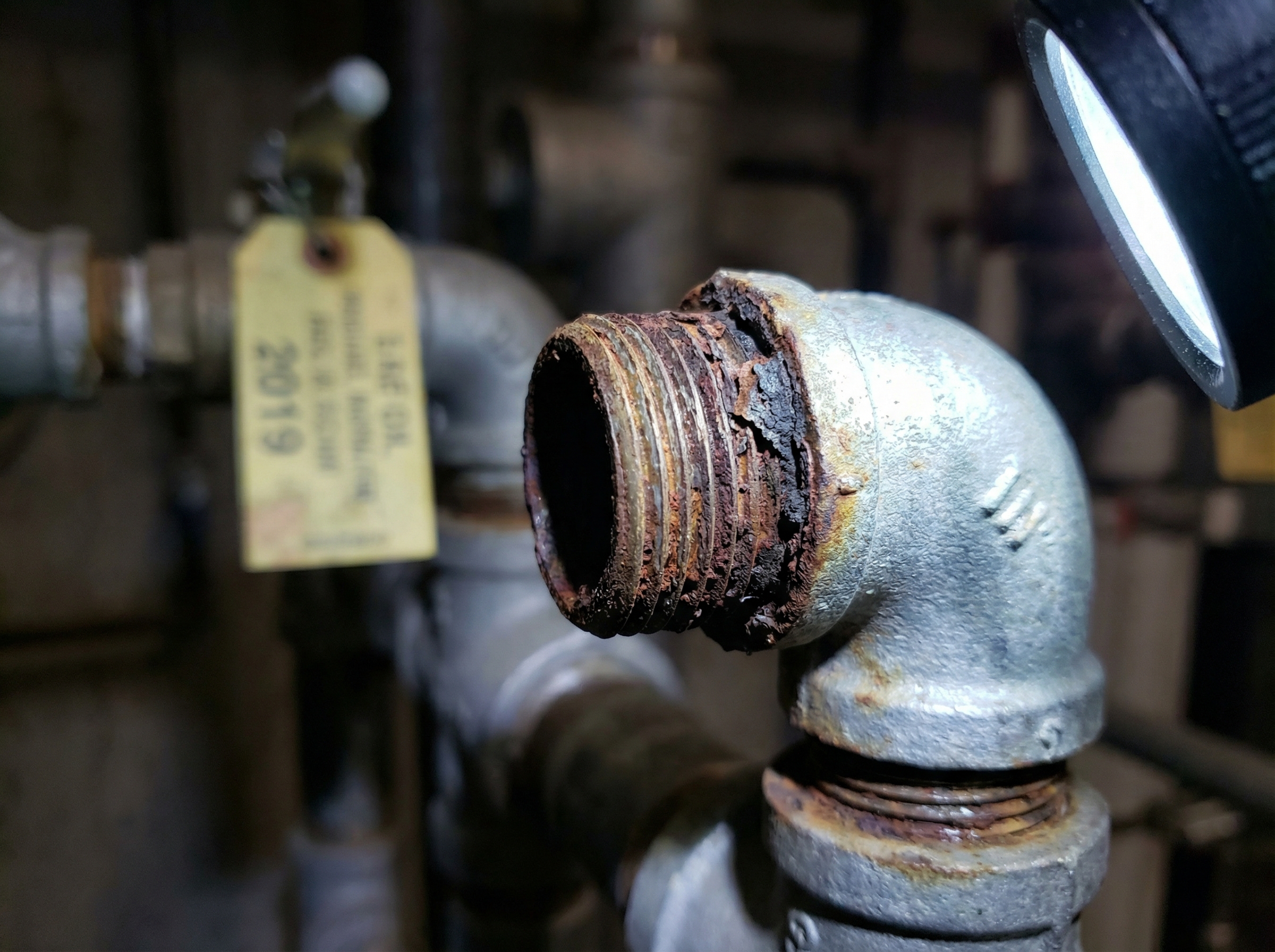
Opening hook: A scenario that could be your reality
John recently closed on a mid-sized commercial building in a bustling city corridor. A week later, his tenant retrofit plans stalled because the water-based sprinkler system hadn’t been tested in years, and the building’s certificate of compliance was missing in action. The seller’s paperwork was thin, the building code references unclear, and the clock was ticking toward a post-close risk window—insurance renewals, lender requirements, and the potential for a costly retroactive upgrade. This is not a hypothetical nightmare; it’s a reality many property owners encounter when ownership transfers collide with fire protection regulations.
If you’re buying, selling, or refinancing a commercial property, fire protection compliance during ownership changes isn’t just a best practice—it’s a risk-management imperative. In this article, we’ll map the landscape of Fire Safety Compliance during ownership transitions, translate regulatory jargon into actionable steps, and provide a practical, project-ready playbook for owners and managers. We’ll also show how a knowledgeable fire protection partner can save time, protect value, and ensure a smoother closing.
—
Table of contents
- The why: why compliance matters during ownership changes
- The regulatory landscape: what actually governs compliance during a sale
- NFPA 25 and water-based systems
- Certificates of Compliance in California and similar jurisdictions
- Climate resilience and due diligence: ASTM E3429-24
- A practical due-diligence framework before closing
- Pre-close checklist
- Risk scoring and budgeting
- Documentation you should demand
- Post-close execution: turning due diligence into a clean take-over
- Common pitfalls and misconceptions
- How to choose a partner for ownership-change readiness
- 48Fire Protection: services tailored for ownership changes
- Conclusion
—
The why: why compliance during ownership changes matters
When ownership changes hands, the value and operability of a property’s fire protection systems are front-and-center for multiple stakeholders: buyers wanting assurance for loan covenants, lenders seeking risk mitigation, insurers evaluating exposure, and tenants demanding safe, uninterrupted operations. Inadequate documentation or deferred maintenance can create a cascade of consequences:
- Delays at closing: lenders and title companies often require proof of current compliance before funding. A missing certificate or an out-of-date test can stall or even derail a sale.
- Hidden liabilities: unaddressed deficiencies can become post-closing cost centers, including mandatory repairs, penalties, or higher insurance premiums.
- Safety and business continuity risk: failed or underperforming life safety systems jeopardize occupant safety, business continuity, and regulatory compliance.
- Compliance drift: if a property remains out of spec after closing, you may face cascading noncompliance with NFPA standards, local fire codes, and insurer expectations.
To avoid these outcomes, prudent owners perform rigorous due diligence, align with recognized standards, and secure a clear path to compliance before and after the transfer. The categories below outline the regulatory and practical touchpoints you’ll want to address early and often.
—
The regulatory landscape: what actually governs compliance during a sale
There are multiple layers to fire protection compliance that come into play during ownership changes. While local codes and insurance requirements will vary by jurisdiction, three pillars commonly shape due-diligence and post-close actions: the maintenance and inspection of water-based fire protection systems (NFPA 25), jurisdiction-specific certificates of compliance for property transfers (such as in California), and climate-resilience framing for real estate transactions (ASTM standards). Let’s break these down with practical implications for owners and managers.
1) NFPA 25 and water-based systems
NFPA 25 is the standard that governs the inspection, testing, and maintenance of water-based fire protection systems. The standard is explicit about ongoing reliability: it requires current, tested, and maintained systems with documentation that reflects the system’s actual condition at the time of the transfer or occupancy. A few core takeaways for ownership changes:
- No grandfathering: compliance is anchored to the current adopted edition of NFPA 25. If the edition has updated requirements, you must meet those updated expectations rather than rely on prior versions. This has direct implications for testing intervals, component replacements, and documentation standards.
- Owner evaluations for occupancy or material changes: if the property’s occupancy type or the materials stored on-site change, the system must be reevaluated for those risk vectors. This is particularly salient in mixed-use properties or properties undergoing tenant mix changes.
- Regular testing cadence: the standard outlines inspection and testing frequencies that align with system type (e.g., sprinklers, standpipes, water-based deluge systems). Ensuring that testing occurs on schedule is critical to maintaining compliance at the point of transfer and thereafter.
For owners preparing to close or refinance, the NFPA 25 framework informs both scope and timing of due-diligence activities. The NFSA article Understanding NFPA 25 provides a clear synthesis for practitioners, emphasizing current edition compliance, occupancy evaluations, and tri-yearly update cycles. See more here: [Understanding NFPA 25]
2) Certificates of Compliance for property transfers (examples from California)
Some jurisdictions require explicit, pre-close and post-close conformity certificates as part of the transfer process. California’s Moraga-Orinda Fire District (MOFD) requires in-person inspections by a Fuels Mitigation Specialist to obtain a Certificate of Compliance for property transfers. The process is designed to ensure that fire protection and fuels-mitigation standards are met before closing, with stated on-site inspection fees of $320 for the first inspection and $378 for subsequent follow-ups. This is a concrete reminder that a transfer is not just a paperwork event but a compliance event that can impact closing timelines and post-close risk. See details here: [Certificate of Compliance (Property Sale or Transfers) | Moraga-Orinda Fire District, CA]
Note: While MOFD is specific to California, many jurisdictions either have a similar certificate-of-compliance mechanism or require a documented, third-party inspection before transfer. When your property is in a different state or county, work with your agent and fire protection vendor to identify the exact requirement and cost structure. The general principle remains: expect a formal review of fire protection and egress pathways as part of the transfer promise.
3) Climate resilience and due diligence in real estate transactions (ASTM)
The property market increasingly recognizes climate-related hazards as material risks impacting value and insurability. ASTM has developed frameworks to formalize climate-resilience diligence in real estate transactions. ASTM’s E3429-24, the Property Resilience Assessment, provides a structured approach to evaluating wildfire exposure, flood risk, wind, and other hazards, and it requires that mitigation plans be costed and integrated into the due-diligence process. In practice, this means a buyer can systematically review resilience factors, quantify exposure, and build a defensible mitigation roadmap before closing. This standard sits alongside fire protection compliance to give a more complete picture of risk during ownership changes. Reuters’ coverage of ASTM’s new standard highlights the growing importance of a standardized, costed resilience plan in real estate due diligence: [Reuters – Assessing property risk: ASTM offers new standard climate-resilient real estate due diligence]
A related reference you may explore is ASTM’s official standard documentation for E3429, which outlines the framework and scope of climate-resilience assessments in real estate due diligence. (Note that ASTM is the standards body; different regions may adapt or adopt the standard in alignment with local law.)
Practical synthesis for owners and managers
- Expect there will be a defined set of documents you must deliver, including system inventories, maintenance logs, past inspection reports, and any required certificates or approvals.
- Be prepared for a pre-close assessment to identify gaps in compliance or resilience; you’ll want a plan to address weaknesses before signing the deal.
- Factor in the cost of compliance updates (equipment replacement, testing, documentation updates) into the closing budget rather than as post-close surprises.
—
A practical due-diligence framework before closing
To turn theory into action, here is a structured framework you can implement well before close. The aim is to minimize surprises, protect value, and create a clear, auditable transfer of responsibility from seller to buyer.
Pre-close checklist: what to do before you sign
- [ ] Confirm the applicable NFPA 25 edition and testing requirements for all installed water-based systems (sprinklers, standpipes, foam systems, deluge, etc.).
- [ ] Obtain a current, accessible schedule of testing and maintenance for all fire protection systems and verify that the last test results are within required intervals.
- [ ] Request and review certificates of compliance or equivalent regulatory approvals for the property’s jurisdiction (if applicable). If not available, require a third-party on-site assessment to generate a compliant baseline.
- [ ] Conduct a high-level risk assessment for occupancy, stored materials, and changes in tenant mix that could affect fire protection needs.
- [ ] Ensure the presence of a documented fire protection plan, including emergency egress, alarm signaling, and occupant notification strategies.
- [ ] Commission a climate-resilience diligence assessment (ASTM E3429-24 or equivalent) to quantify wildfire, flood, wind, and other hazards relevant to the property.
- [ ] Collect all documentation for MWFD (marginal risks, water supply capacity, hydrant locations) and ensure water supply readiness if relevant to the property.
- [ ] Identify any jurisdiction-specific certificates or approvals required for transfer and schedule inspections to avoid last-minute delays.
Post-close execution: action plan to ensure a smooth take-over
- [ ] Create a baseline compliance package: compile all NFPA 25-related testing, maintenance logs, system inventories, and component replacement histories.
- [ ] Schedule required inspections and tests within the first 60–90 days post-close, prioritizing systems with imminent expiry due dates.
- [ ] Develop a remediation plan with cost estimates and timelines for any deficiencies discovered during pre-close and post-close assessments.
- [ ] Align with the property manager, tenants, and insurers on a communication plan that explains the transfer of responsibilities and any planned outages or maintenance windows.
- [ ] Update the fire protection plan to reflect occupancy changes and any new risk factors introduced by new tenants or new uses.
Risk scoring and budgeting: a practical approach
- Define risk categories: life safety, property protection, business continuity, and regulatory compliance.
- Score each system or area on a 1–5 scale based on current condition, maintenance history, and susceptibility to deterioration.
- Build a remediation budget that allocates contingency for unforeseen issues uncovered during digs or tests.
- Tie the budget to a staged implementation plan so you can prioritize essential items (egress and life safety) before addressing less critical equipment.
Documentation you should demand
- System inventories and schematics (as-built drawings, if available)
- Recent test and maintenance reports for all fire protection devices and systems
- Inspection certificates, permits, and compliance letters from authorities having jurisdiction (AHJs)
- Certificates of insurance for any third-party service providers
- A formal resilience assessment (if applicable), with mitigation plans and cost estimates
The value of rigorous due diligence
A thorough pre-close effort reduces the risk of post-close surprises. It is not unusual for a buyer to insist on a pre-close “compliance baseline” so they can quantify the anticipated work, schedule, and budget. A robust baseline also communicates to lenders and insurers that the new ownership plans a disciplined approach to ongoing compliance and resilience.
Case-in-point: translating due diligence into value
Consider a property in which the last full sprinkler-system test occurred five years prior. The pre-close due diligence identifies that several heads are nearing end-of-life, the water supply pressure is marginal in peak hours, and evidence of occupancy changes suggests additional fire protection requirements. With a climate-resilience assessment revealing moderate wildfire exposure, the buyer can articulate a staged improvement plan with an associated budget. The purchase agreement then includes a clearly defined remediation schedule, reducing post-close risk and helping secure financing more smoothly.
—
Post-close reality: turning diligence into a compliant operation
Once ownership changes hands, the new owner has the responsibility of translating the diligence findings into day-to-day operations. Here are practical steps you can implement in the first year of ownership to maintain compliance and protect value:
- Align maintenance calendars with NFPA 25 expectations, ensuring that testing and maintenance are performed on time and properly documented.
- Invest in system upgrades as identified in the pre-close assessments—prioritize life-safety improvements.
- Formalize a single-source point of contact for all fire protection activities to streamline communication, testing, and repairs.
- Review all insurance policy language related to fire protection and ensure the certificates or riders reflect the current risk posture.
- Embed resilience and fire protection into capital planning, not as an afterthought but as a core element of property strategy.
Pro tip: create a “compliance day” once per quarter
Block a few hours for the property management and facilities teams to review upcoming tests, confirm compliance documents are up to date, and plan any required mitigations. Regular small checks prevent large backlogs and ensure ongoing readiness.
—
Common pitfalls and misconceptions
- Misconception: If the property has a recent inspection report, it will automatically cover the new owner. Reality: NFPA 25 requires ongoing maintenance and might be updated to reflect new editions; without current testing and documentation, a new owner can still face noncompliance.
- Pitfall: Relying on outdated certificates or third-party reports without verification. Reality: some jurisdictions require in-person inspections to verify status; relying on old or second-hand reports can mislead and delay closing.
- Misconception: Climate resilience is optional for a real estate transfer. Reality: The market increasingly requires resilience considerations as part of the due-diligence package, with regulatory and insurer expectations evolving in this space.
- Pitfall: Treating the transfer as purely a legal transfer rather than an operational transfer of risk. Reality: the operational readiness of fire protection systems is a key determinant of post-close cost, safety, and continuity.
—
Choosing the right partner for ownership-change readiness
When you’re navigating an ownership transition, you want a partner who can deliver:
- Comprehensive system inventories and condition assessments
- Timely, accurate testing and maintenance scheduling
- Clear remediation roadmaps with budget estimates
- Documentation-ready packages for AHJs, lenders, and insurers
- Coordination with tenants, property managers, and contractors
- A long-term maintenance and compliance partner for ongoing ownership
A credible fire protection partner should offer:
- NFPA-standard-compliant testing and maintenance programs
- Diligent record-keeping and audit-ready documentation
- Expertise in jurisdiction-specific requirements (e.g. California CA-DOJ- or local AHJ expectations)
- Integrated risk assessment that blends fire protection with climate resilience
- Transparent pricing and predictable service delivery
When evaluating vendors, request a sample compliance package, a work plan with timelines, and a proposal that aligns with your closing date and post-close milestones. The right partner will be able to translate regulatory language into actionable tasks, ensuring that your ownership transition yields a compliant and resilient asset.
—
48Fire Protection: services tailored for ownership changes
As a leading fire protection services firm, 48Fire Protection offers a range of services specifically designed to support buyers, sellers, and lenders during ownership changes. We understand the importance of due diligence, regulatory compliance, and a smooth close, and we tailor our offerings to help you achieve those outcomes efficiently.
What we offer for ownership-change readiness
Comprehensive system inventory and documentation packages
- Detailed lists of all fire protection components, system types, and locations
- Current status, last service dates, and recommended next steps
- Drawings and schematics where available
NFPA 25–driven testing and maintenance programs
- On-site testing, inspection, and maintenance aligned with the current NFPA 25 edition
- Verification of test results and generation of audit-ready reports
- Scheduling of required tests to avoid closing delays
Pre-close compliance baselines and post-close remediation planning
- Gap analysis between current condition and regulatory requirements
- Costed remediation plans with prioritized timelines
- Clear hand-off documentation to the new ownership team
Climate resilience and risk assessment
- Integration of ASTM E3429-24-inspired resilience considerations into due diligence
- Identification of climate risks (wildfire, flood, wind, etc.) with mitigation recommendations
- Budgeting support for resilience enhancements that protect value
Certificate readiness and AHJ coordination
- Assistance with obtaining and preparing Certificates of Compliance where required
- Coordination with authorities having jurisdiction for inspections and approvals
Tenant coordination and communication planning
- Clear messaging and scheduling to minimize disruption during testing, maintenance, or upgrades
- Documentation of operational changes and contingency plans
Training and knowledge transfer
- On-site or remote training for facilities staff and property managers
- Reference materials and checklists to sustain compliance post-close
Why 48Fire Protection is a fit for ownership-change scenarios
- Deep regulatory knowledge: We stay current with NFPA standards, local AHJs, and evolving best practices so your transition remains compliant.
- Process-driven: Our intake, assessment, remediation, and documentation workflow is designed to dovetail with closing schedules, lender expectations, and insurer requirements.
- Transparent pricing: We provide clear budgets and phased work plans so you can forecast expenditures and avoid surprises.
- A partner for the long term: We aren’t just a vendor for the close; we’re a trusted partner for ongoing compliance, maintenance, and resilience.
You can start a conversation with our team to tailor a plan to your property’s unique needs, timeline, and regulatory environment.
—
Documentation examples you can expect from 48Fire Protection
- Pre-close compliance baseline report (NFPA 25 alignment, system inventory, maintenance history)
- Post-close remediation roadmap with costed options and timelines
- Certificates and AHJ-ready documentation (where applicable)
- Resilience assessment summary (aligned with ASTM E3429-24 concepts)
—
Case study: a real-world illustration of ownership-change readiness
Property profile: A 120,000-square-foot multi-tenant office campus with a mix of high-rise and low-rise buildings, located in a jurisdiction with stringent inspection requirements for property transfers.
Challenge: The seller had not updated sprinkler-system test documentation in several years; a building water supply issue existed in peak demand, and a climate-risk assessment noted moderate wildfire exposure in the region. The MOFD data request loomed, and the buyer needed a credible path to closing.
Approach:
- Pre-close: 48Fire Protection conducted a comprehensive NFPA 25-aligned testing plan, gathered maintenance logs, and produced a baseline compliance package. We also coordinated a pre-close climate resilience assessment in line with ASTM E3429-24 principles to quantify exposure and mitigation needs.
- Mid-project: Implemented critical remediation tasks with a staged timeline to ensure coverage during peak occupancy. Prepared AHJ-ready documentation and facilitated communication with the local authority.
- Post-close: Established a quarterly compliance cadence, with ongoing testing and documentation to maintain readiness and support insurance requirements.
Outcome:
- The closing timeline remained on track, with the buyer gaining confidence in the asset’s risk profile and compliance readiness.
- The property achieved a clearly defined remediation plan with prioritized budgets, minimizing post-close surprises.
- Occupants benefited from a transparent schedule and a robust fire protection program, improving safety and continuity.
This hypothetical case illustrates how the right due-diligence framework, paired with a capable partner like 48Fire Protection, can turn ownership changes into value rather than risk.
—
The bottom line: proactive compliance beats reactive fixes
Ownership changes are not merely a transfer of ownership; they’re a transfer of risk, liability, and stewardship. The more you do upfront to document, verify, and remediate fire protection and resilience issues, the more likely you are to close on favorable terms, secure financing, and protect the people and assets that depend on the property.
Key takeaways
- Plan early: begin due-diligence activities well before closing to prevent delays and keep financing on track.
- Align with standards: NFPA 25 and related standards provide a robust baseline for readiness; don’t rely on outdated or incomplete documentation.
- Consider resilience: climate risk is increasingly material in real estate decisions; formal resilience assessments should be integrated into the due-diligence process.
- Document everything: a complete, well-organized documentation package reduces ambiguity, speeds up AHJ reviews, and instills buyer confidence.
- Choose the right partner: a trusted fire protection vendor can link regulatory requirements to practical steps, ensuring that your transfer is compliant, timely, and value-preserving.
Cited sources and regulatory anchors
- Certificate of Compliance (Property Sale or Transfers) | Moraga-Orinda Fire District, CA. This resource highlights the practical requirements for transfer-related compliance inspections and associated fees. [Moraga-Orinda Fire District – Certificate of Compliance]
- Understanding NFPA 25. This perspective outlines the core tenets of NFPA 25, including current-edition compliance, owner evaluations, and the tri-yearly update cycle. [NFSA – Understanding NFPA 25]
- Assessing property risk: ASTM offers new standard climate-resilient real estate due diligence. This Reuters piece discusses ASTM’s E3429-24 framework and its relevance to real estate diligence and mitigation planning. [Reuters – Assessing property risk: ASTM offers new standard climate-resilient real estate due diligence]
- ASTM E3429-24 (climate resilience in real estate due diligence). For those seeking the official standard framing, ASTM’s standard E3429-24 is the reference point for resilience assessments in transactions (note: access may require membership or purchase of the standard). [ASTM E3429-24 (General reference to resilience standard)]
Note: Local jurisdictions may have additional requirements or process differences. Check with your AHJ, lender, and insurance provider for jurisdiction-specific guidance.
—
Conclusion
Fire protection compliance during ownership changes is a multi-faceted discipline that blends regulatory rigor with practical project management. By adopting a structured due-diligence approach, aligning with NFPA standards, incorporating resilience considerations, and partnering with an experienced fire protection professional, you can reduce closing risk, protect asset value, and ensure safe, compliant operation from day one of ownership.