Opening story: a day in the life of a facilities manager
Maria, facilities director for a tall mixed-use campus, opens her email to find a single subject line that can make or break her building’s safety posture: “Compliance Audit—Fire Protection Systems.” The message is short, but the implications are long. The building’s fire protection systems are essential to life safety, but their performance hinges on regular inspections, testing, and maintenance. A single missed ITM (inspection, testing, and maintenance) item, a lag in fire door inspections, or an outdated reporting framework can cascade into delays, fines, and, worst of all, risk to occupants.
Maria isn’t alone. Across markets—from healthcare high-rises to industrial campuses—fire protection compliance audits are a standard part of doing business. The goal isn’t merely to pass an external review; it’s to prove that life safety systems will perform when they’re needed, every hour of every day. In this article, we’ll explain what fire protection compliance audits are, what auditors look for, and how you can prepare your facility not just to pass—but to elevate your entire fire protection program. We’ll walk through the process, highlight common pitfalls, explore regulatory trends, and show how a proactive, well-documented audit program translates into real-world safety and value.
Why Fire Compliance Audits Matter
Fire protection compliance audits are more than a box-ticking exercise. They’re a mechanism to ensure the reliability of critical life-safety systems and to align field reality with regulatory expectations. A robust audit program:
- Confirms that systems are installed per code and manufacturer specifications.
- Verifies ongoing performance through documented ITM activities.
- Uncovers gaps in documentation, procedures, and operational readiness.
- Drives cost efficiency by identifying overdue maintenance before failures occur.
- Reduces risk for occupants, building owners, and operators in emergencies.
The stakes are high. When a facility’s fire protection systems fail to perform as intended during a fire, the consequences can be catastrophic, both in human terms and in liability. A well-executed audit program can prevent such outcomes, while also streamlining regulatory compliance and insurance considerations.
Key terms you’ll encounter
- ITM: Inspection, Testing, and Maintenance of fire protection systems. ITM is a cornerstone of many fire protection programs and a common focus of audits.
- FPIMS: Fire Prevention Inspection Management System (outdated in some jurisdictions; many cities and agencies have migrated to newer platforms like FIRES in NYC). The recent audit notes that FIRES replaced FPIMS in New York City. Importantly, the transition did not fully automate inspections, which created new audit considerations. For context, New York City’s Fire Department has about 400 inspectors who conduct more than 250,000 inspections annually, though the old FPIMS framework didn’t fully automate every inspection process during the transition. This kind of nuance matters for audit planning. See the audit discussion here: [Audit Report on the Development and Implementation of the New York City Fire Department’s Fire Inspection Revenue and Enforcement System](https://comptroller.nyc.gov/reports/audit-report-on-the-development-and-implementation-of-the-new-york-city-fire-departments-fire-inspection-revenue-and-enforcement-system/).
- NFPA 25: The standard for the inspection, testing, and maintenance of water-based fire protection systems. Audits often evaluate whether ITM programs align with NFPA 25 and ensure owners retain primary responsibility for compliance. See the detailed explanation here: [Understanding NFPA 25](https://nfsa.org/2025/02/20/understanding-nfpa-25/).
- LSC/NFPA 101: The Life Safety Code, which governs the safety of building occupants, including egress, compartmentation, fire alarm systems, and related life-safety features.
The audience for these audits is broad: building owners, property managers, hospital administrators, university facilities teams, and industrial operators. Each has different risk profiles and regulatory touchpoints, but all share the objective of maintaining a fire protection program that’s audit-ready, operational, and aligned with the current codes and standards.
What Is a Fire Compliance Audit?
A fire protection compliance audit is a formal review of a building’s fire protection systems, documentation, and practices to determine whether they meet applicable codes, standards, and regulatory requirements. It’s typically conducted by an external auditor or a qualified internal auditor, and it results in a written report with findings, risk ratings, and recommended corrective actions. A robust audit can serve as a baseline for ongoing improvements and a defensible trail during regulatory reviews, insurance audits, or incident investigations.
A typical audit envelope covers:
- Fire protection systems: sprinkler (wet, dry, deluge, or backflow configurations), standpipe systems, fire suppression systems (e.g., clean agent, foam), fire pumps, and related components.
- Detection and alarm systems: fire alarm initiation devices, detection, annunciation, and integration with building management systems.
- Egress and life safety: means of egress, corridor fire doors, smoke control, and related life-safety features.
- Plumbing and water supply: water flow tests, pressure requirements, backflow prevention, and supply adequacy for sprinkler performance.
- Documentation and records: official drawings, system manuals, maintenance logs, test reports, manufacturer recommendations, and periodic certification letters.
- Operational procedures: ITM programs, testing intervals, maintenance windows, and contractor management.
- Compliance with local, state, and federal requirements: city Fire Department requirements, CMS Life Safety Code (for healthcare), NFPA family standards, and owner responsibilities per NFPA 25 and related codes.
- Emergency planning and drills: coordination with the building’s emergency response plan and training records.
A critical nuance auditors increasingly evaluate is where the responsibility sits for ITM compliance. In the NFPA ecosystem, building owners bear primary responsibility for ITM compliance, and the standard evolves to emphasize that responsibility. The NFPA 25 framework—updated on a three-year cycle—reflects this reality by stressing owner accountability, and it discourages grandfathering older systems into newer editions without a rigorous assessment. See the NFPA-oriented discussion: [Understanding NFPA 25](https://nfsa.org/2025/02/20/understanding-nfpa-25/).
The Audit Process: A Practical, Step-by-Step Guide
Audits aren’t mysteries; they’re process-driven. A typical fire protection compliance audit follows a structured sequence that can be adopted or adapted to almost any facility type. Below is a practical, step-by-step guide that facilities can use to prepare, respond, and thrive through audits.
Step 1 — Pre-Audit Preparation
- Inventory and scope: Confirm which systems, areas, and documents are in scope for the audit. Include all water-based systems, detection, alarms, life-safety features, and egress-related components.
- Documentation collection: Gather drawings (as-built), wiring diagrams, system narratives, manufacturer manuals, service contracts, and last ITM test results. Ensure these are current and accessible.
- Schedule and access: Coordinate with building operations for access to mechanical rooms, riser rooms, and areas that auditors will expect to review. Ensure safety procedures and restrictive areas are addressed.
- Stakeholder alignment: Align with risk management, safety, engineering, and facilities leadership so that audit expectations, roles, and deliverables are understood across the organization.
Step 2 — On-Site Assessment
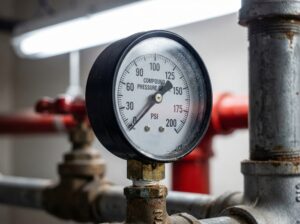
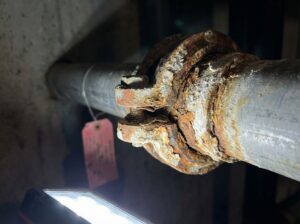
- System walk-through: Inspect physical components—valves, pressure gauges, backflow preventers, sprinkler heads, fire pumps, detection devices, control panels, and annunciation systems.
- ITM testing observation: Where applicable, auditors will observe or review ITM activities, including hydrostatic tests, flow tests, alarm verification, and functional tests of devices. They’ll compare actual test intervals to the published schedule and to the NFPA 25 requirements.
- Documentation checks: Audit the maintenance logs, certificates, and test reports. Confirm that they’re legible, complete, and reflect the actual condition of the system.
- Operational readiness: Check for de-energized or decommissioned devices that still have functional responsibilities, such as standpipes that are occasionally used for fire department connections.
Step 3 — Documentation Review
- Traceability: Auditors cross-check system changes against approved drawings and change orders.
- ITM program fidelity: Confirm that ITM programs reflect the installed systems and that the owner maintains primary responsibility for the program per NFPA guidance.
- System performance history: Review trends in system performance, including repeated issues or recurring maintenance items.
Step 4 — Report and Recommendations
- Findings and risk ratings: The auditor documents findings and assigns risk levels (e.g., high/medium/low) to each area of concern.
- Corrective action plan (CAP): The report should include a prioritized CAP with owners, responsible parties, and target completion dates.
- Follow-up actions: Some audits require a re-inspection or a status update within a defined timeframe to verify remediation.
Step 5 — Corrective Action and Re-Audit
- Implementation: The building team executes the CAP. This may require vendor coordination, drawing updates, or equipment replacement.
- Evidence submission: After actions are complete, the owner submits updated documentation and test records to the auditor for verification.
- Re-audit scheduling: If significant issues exist, a limited or full re-audit may be scheduled.
Step 6 — Continuous Improvement and Compliance Management
- Documentation management system: Adopt a centralized, accessible repository for system manuals, test records, and drawings.
- Scheduled audits and tests: Establish an ongoing schedule that aligns with NFPA 25 and local requirements, ensuring that ITM activities are consistently tracked.
- Training and drills: Ensure staff and contractors understand the audit expectations, proper testing procedures, and emergency procedures.
Organizing Your Audit: Practical Formats and Tools
To keep audits efficient and repeatable, use structured formats that capture essential data and support easy reporting. Here are some practical formats you can implement now.
- Checklists with [ ] checkboxes: Create ITM checklists that map to each system component (sprinklers, alarms, pumps, standpipes, backflow preventers, etc.). Use checkboxes to show completion, with space for dates and initials.
- Bold labels and callouts:
- Key point: ITM intervals are often the primary driver of audit results.
- Warning: Grandfathering older systems into newer NFPA editions without assessment is a common audit finding.
- Pro tip: Attach photos and references to each item in your internal records.
- Tables for quick comparisons: Use simple tables to compare “As-Built vs. As-Operated” conditions or to document system performance versus test thresholds.
- Process steps: Numbered steps for ITM and CAP development to ensure consistent execution across teams.
- Block quotes for expert guidance: Use quotes to emphasize regulatory expectations or key definitions from NFPA guidelines.
Common Pitfalls and How to Avoid Them
Audit programs fail not for lack of effort, but for gaps in process, documentation, and ownership. Here are common pitfalls and practical ways to avoid them:
- Pitfall: Incomplete ITM documentation
- Remedy: Develop a centralized ITM log and require facility staff to sign off on each maintenance action. Tie log entries to the actual test reports and certificates.
- Pitfall: Grandfathering older systems
- Remedy: When a system is updated or a new edition of NFPA 25 applies, perform a formal assessment to confirm current compliance status. The NFPA framework stresses owner accountability and a clear, current ITM path. See the NFPA interpretation in the NFSA article: [Understanding NFPA 25](https://nfsa.org/2025/02/20/understanding-nfpa-25/).
- Pitfall: Inadequate coordination with the fire department
- Remedy: Build an escalation and notification plan that includes the local fire department and your AHJ (Authority Having Jurisdiction) for inspections, plan reviews, and permit requirements.
- Pitfall: Silent risks in high-rise or healthcare environments
- Remedy: For healthcare facilities and high-rise buildings, stay aligned with industry-specific deadlines and compliance requirements, such as high-rise sprinkler mandates.
Regulatory Trends and Timelines: What’s Shaping Fire Protection Compliance
Understanding the regulatory landscape helps you plan and budget for audit-driven improvements. Three important trend lines affect most facilities today.
1) Fire inspection automation and capacity constraints in major cities
A recent NYC audit notes that while FIRES has replaced the legacy FPIMS for fire inspections, automation wasn’t fully realized during the transition. The NYC Fire Department has about 400 inspectors conducting more than 250,000 inspections annually, illustrating the scale and the stress points that can arise in large urban environments. This example highlights the importance of reliable ITM data, accurate recordkeeping, and proactive CAPs rather than reactive remediation after an audit. See the audit report for context: [Audit Report on the Development and Implementation of the New York City Fire Department’s Fire Inspection Revenue and Enforcement System](https://comptroller.nyc.gov/reports/audit-report-on-the-development-and-implementation-of-the-new-york-city-fire-departments-fire-inspection-revenue-and-enforcement-system/).
2) Healthcare and high-rise sprinkler requirements
Regulators are increasingly focusing on life-safety system mandates for high-rise healthcare facilities, culminating in explicit sprinkler deadlines. The Joint Commission notes CMS’s final rule requiring high-rise healthcare facilities to be fully sprinklered by July 5, 2028. Facilities in this category should treat this as a hard compliance deadline, not a future “nice-to-have.” For the current status, review the Joint Commission reminder post: [Reminder: High-rise healthcare facilities must be fully sprinklered by 2028](https://www.jointcommission.org/en-us/knowledge-library/newsletters/joint-commission-online/16-apr-25).
3) NFPA 25 updates and owner responsibility
NFPA 25 is updated on a three-year cycle, and it emphasizes that primary responsibility for ITM compliance sits with the building owner. This is a crucial frame for audits: it means that auditors will look for evidence of owner-drove ITM programs, not simply contractor-driven maintenance you’ve outsourced. To understand the implications, see the NFSA explanation: [Understanding NFPA 25](https://nfsa.org/2025/02/20/understanding-nfpa-25/). For broader context, you can also explore the NFPA ecosystem here: [NFPA – Official Website](https://www.nfpa.org/).
Putting It Into Practice: How to Build a Robust Fire Compliance Program
If you’re reading this, you’re likely seeking to not just pass audits—but to operationalize a robust compliance program. Here’s a practical blueprint you can apply now.
1) Establish a formal ITM program with owner accountability
- Define the ITM scope, intervals, responsibilities, and acceptance criteria in a written policy.
- Assign a primary owner (e.g., facilities director or safety manager) with clear escalation paths.
- Ensure the policy references NFPA 25 requirements and any local amendments.
2) Create a centralized, auditable documentation system
- Maintain digital copies of drawings, specifications, maintenance reports, test certificates, and regulatory correspondence.
- Align document naming conventions and version control with audit expectations.
- Implement retention schedules so older records are archived but accessible if required.
3) Build a proactive CAP workflow
- Use a CAP template that prioritizes high-risk items, assigns owners, and sets target dates.
- Tie each CAP item to a verifiable action (e.g., replace a failed valve, recalibrate a pressure gauge, repair a backflow preventer).
- Schedule follow-up reviews and re-inspections to verify closure.
4) Invest in data quality and traceability
- Ensure test data is complete (dates, test results, personnel, and equipment identifiers).
- Attach evidence (photos, certificates) to each item in the ITM log.
- Regularly audit data integrity to catch missing or inconsistent entries before an external auditor does.
5) Align with local AHJs and standards bodies
- Know the applicable codes and standards (NFPA 25 for water-based systems; NFPA 101 for life safety; local amendments; healthcare-specific requirements where applicable).
- Proactively engage AHJs for plan reviews, permit statuses, and acceptance testing.
6) Train staff and partners
- Run regular training sessions for facilities teams and contractors on ITM procedures, documentation requirements, and audit expectations.
- Maintain a vetting process for third-party testers so you’re always working with qualified, reputable professionals.
7) Prepare for a mock audit
- Conduct internal audits or independent mock audits to identify gaps before the real audit.
- Use a neutral reviewer to ensure objective findings and credible CAPs.
Real-World Scenarios: Case Studies in Compliance
Case Study A — Hospital ITM Alignment and CAP Delivery
Background: A 350-bed hospital faced a stringent annual fire protection audit. ITM gaps were reported in sprinkler heads, backflow preventers, and alarm verification. The hospital had historical maintenance logs but lacked a coherent owner-led ITM program.
What happened:
- The hospital created a formal ITM policy with explicit owner accountability.
- A centralized digital repository was built for all drawings, certificates, and test results.
- A CAP was generated with prioritized items and owner assignments, with quarterly progress reviews.
Outcome:
- The audit results improved from “major nonconformities” to “compliance with minor recommendations.”
- The hospital realized cost savings through more effective scheduling and bulk procurement for overdue components.
- Staff confidence increased as maintenance activities became predictable rather than reactive.
Case Study B — High-Rise Commercial Campus and Fire Department Coordination
Background: A multi-building campus in a metropolitan zone had inconsistent recordkeeping across several tenants. The city’s inspectors found gaps in documentation around backflow preventers and pump inspections, leading to a formal CAP.
What happened:
- The campus unified ITM records across all buildings into a single platform.
- A standing agreement with a single contractor to perform select ITM tasks ensured consistency.
- The building team improved communication with the local fire department, scheduling joint inspections on a routine basis.
Outcome:
- The campus achieved smoother annual audits and reduced downtime due to better system reliability.
- Occupants reported enhanced confidence in the safety systems during drills and emergencies.
Key Takeaways from the Case Studies
- A centralized ITM program with owner accountability is essential to pass audits and maintain life safety.
- Documentation quality and accessibility are critical; auditors place a premium on traceability and evidence.
- Proactive coordination with regulators and the fire department can reduce friction and increase reliability.
The Human and Financial Value of Audits
Beyond compliance, fire protection audits offer strategic value to organizations:
- Risk reduction: Proactive maintenance reduces the likelihood of pump failures, valve blockages, and system downtime during emergencies.
- Insurance and financial performance: Clear, well-documented ITM activities and CAPs can positively influence insurance underwriting and resilience budgets.
- Operational efficiency: A consolidated digital repository and standardized procedures enable faster response times to issues and easier onboarding of new staff or contractors.
- Reputation and stakeholder trust: Demonstrating rigorous safety governance builds trust with occupants, tenants, and regulators.
Section: 48Fire Protection — Relevant Services
Near the end of this article, it’s useful to understand how 48Fire Protection can support your fire protection compliance audits and broader life safety needs. Our team combines technical expertise with practical, audit-ready processes to help facilities achieve and maintain compliance, while maximizing system performance and occupant safety.
What 48Fire Protection offers
Fire Compliance Audits and Gap Assessments
- Comprehensive reviews of fire protection systems, life-safety features, and documentation.
- On-site and desk-top evaluations aligned with NFPA 25, NFPA 101, and local AHJ requirements.
- Clear CAP development with owner accountability and prioritized timelines.
ITM Program Design and Implementation
- Custom ITM policy development tailored to your building type and risk profile.
- Centralized ITM planning, scheduling, and documentation architecture.
- Coordination with certified testers, manufacturers, and service providers.
System Design Support and Modernization
- Review of existing systems for compliance with current codes, and modernization guidance as needed (e.g., sprinkler replacements, pump upgrades, backflow prevention improvements).
- Assistance with permit acquisition, plan reviews, and commissioning.
Documentation Management
- Creation of a digital repository for drawings, test reports, maintenance logs, and certificates.
- Version control, secure access, and audit-ready reporting templates.
Training and Readiness Programs
- Training for facilities teams on ITM procedures, testing intervals, and regulatory expectations.
- Mock-audit packages to prepare for real audits and to educate stakeholders.
Emergency Planning and Drills
- Coordination with emergency plans, evacuation procedures, and staff training exercises.
- Integration of fire protection systems with overall safety governance.
Healthcare and High-Rise Specializations
- Healthcare facilities: assistance with CMS and Joint Commission-related compliance items, including high-rise sprinkler considerations as deadlines approach.
- High-rise buildings: targeted review of vertical penetrations, stairwells, and fire door programs, ensuring egress and compartmentation remain robust under smoke control and fire scenarios.
Why choose 48Fire Protection for your audits
- Expertise and experience: We bring practical, field-tested experience in read-outs for hospitals, campuses, commercial properties, and high-rise facilities.
- Client-focused workflows: Our audit processes are designed to be transparent, collaborative, and documentation-driven, with a strong emphasis on owner accountability.
- Results-driven approach: We pair rigorous assessments with pragmatic CAPs, helping you achieve measurable improvements in safety, compliance, and readiness.
- Ongoing support: After the audit, we provide ongoing maintenance, monitoring, and training to sustain compliance and performance.
Implementing a partnership approach is essential. Fire compliance audits are not one-and-done events; they’re the backbone of a living safety program. The right partner can help you not only pass a given audit but also raise the bar for safety, reliability, and regulatory alignment.
Cited Authorities and Related Reading
To deepen your understanding and to ground your audit program in the latest industry thinking, consider reviewing these sources:
- NYC Fire Department audit context on FIRES and FPIMS transition and the inspector landscape: [Audit Report on the Development and Implementation of the New York City Fire Department’s Fire Inspection Revenue and Enforcement System](https://comptroller.nyc.gov/reports/audit-report-on-the-development-and-implementation-of-the-new-york-city-fire-department-fire-inspection-revenue-and-enforcement-system/). This report discusses the shift from FPIMS to FIRES and the implications for automation and inspection capacity in a major city.
- Healthcare life-safety timing and sprinklering deadlines: [Reminder: High-rise healthcare facilities must be fully sprinklered by 2028](https://www.jointcommission.org/en-us/knowledge-library/newsletters/joint-commission-online/16-apr-25). This resource highlights regulatory deadlines that healthcare facilities must meet to remain compliant.
- NFPA 25 critical context on ITM responsibility: [Understanding NFPA 25](https://nfsa.org/2025/02/20/understanding-nfpa-25/). This source explains the ongoing update cycle and owner responsibility for ITM compliance, informing how audits should be structured.
- NFPA resources and broader standards context: [NFPA – Official Website](https://www.nfpa.org/). The NFPA ecosystem is central to most fire protection compliance audits; their codes and standards underpin the audit framework.
Final thoughts: Proactive compliance pays off
The best way to approach fire protection compliance audits is to build a culture of proactive safety governance—where documentation is complete, responsibilities are clearly assigned, and ITM activities are planned, executed, and recorded as a living program. The numbers aren’t just about inspection counts or test frequencies; they represent a measurable commitment to occupant safety and operational resilience. In a world where codes evolve every few years, and where urban and healthcare facilities face ambitious timelines, a strong audit program is a strategic asset—not a burden.
If you’re ready to elevate your fire protection compliance program, we’re here to help. Our team at 48Fire Protection stands ready to partner with you to design, implement, and sustain an audit-ready Fire Compliance program tailored to your facility’s unique risks and regulatory landscape.