Fire Extinguisher Maintenance Best Practices for Commercial Buildings
—
THE MAINTENANCE LIFECYCLE FRAMEWORK
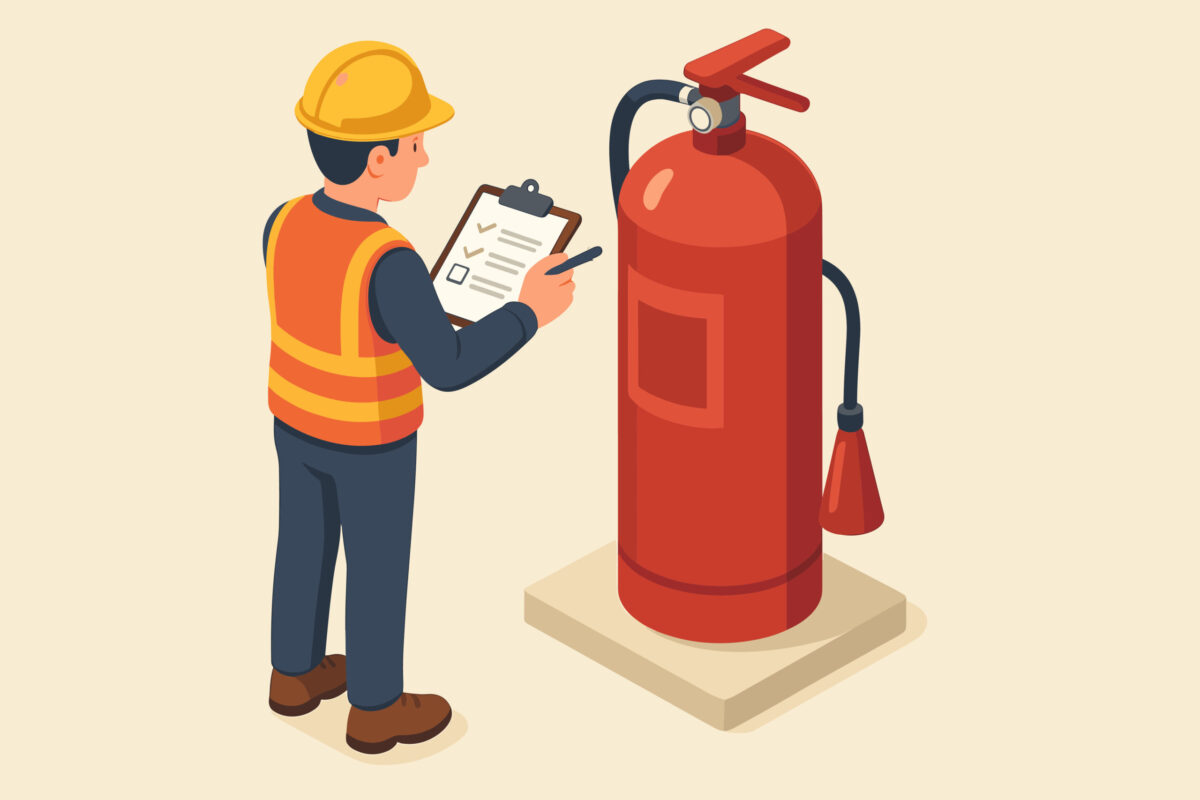
Fire extinguisher recharge and comprehensive maintenance operates on predictable lifecycle. Understanding this lifecycle enables commercial buildings to optimize maintenance timing, budget allocation, and equipment reliability.
—
LIFECYCLE VISUALIZATION
“`
EQUIPMENT LIFECYCLE PHASES
═══════════════════════════════════════════════════════════════
PHASE 1: Initial Service (Year 0)
└─ Installation & commissioning
PHASE 2: Inspection Era (Years 1-5)
├─ Monthly visual inspections
├─ Annual maintenance
└─ Potential fire extinguisher recharge needs
PHASE 3: Internal Examination (Year 6)
├─ Complete disassembly
├─ Internal vessel inspection
└─ Component replacement
PHASE 4: Testing Era (Years 5-12 depending on type)
├─ Hydrostatic testing
├─ Pass/fail determination
└─ Fire extinguisher recharge after testing
PHASE 5: Replacement Decision (Year 10-15+)
└─ Equipment lifecycle assessment
“`
Each phase requires specific maintenance practices. Commercial buildings benefit from understanding complete lifecycle rather than viewing maintenance as isolated events.
—
BEST PRACTICE 1 → MONTHLY INSPECTION SYSTEMATIZATION
The Foundation Protocol
NFPA 10 Section 7.2 requires monthly inspections. Best practice transforms requirement into systematic reliability verification.
—
Establishing Inspection Consistency
Standard approach:
- Someone checks extinguishers monthly
- Inconsistent thoroughness
- Variable documentation
- Gaps occasionally occur
Best practice approach:
SYSTEMATIC INSPECTION PROGRAM
Fixed schedule implementation:
□ Same day each month (e.g., first Monday)
□ Backup date designated (holiday/closure accommodation)
□ Calendar blocking prevents conflicts
□ Automated reminders ensure execution
Designated inspector accountability:
□ Primary inspector assigned
□ Backup inspector trained
□ Responsibilities documented
□ Performance accountability established
Route optimization:
□ Logical inspection sequence created
□ Equipment grouped by location
□ Efficient pathway minimizes time
□ All units included systematically
—
Complete Criteria Examination
NFPA 10 Section 7.2.1.1 eight mandatory criteria:
“`
CRITERION 1 → Location Verification
├─ Unit in designated place
├─ Mounting secure
└─ No unauthorized movement
CRITERION 2 → Accessibility Assessment
├─ No obstructions present
├─ Clear access path
└─ Signage visible
CRITERION 3 → Operating Instructions
├─ Labels legible
├─ Instructions visible
└─ Facing outward
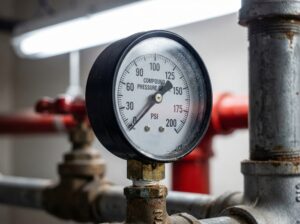
CRITERION 4 → Pressure Gauge Reading
├─ Needle in operable range
├─ Gauge functional
└─ Response to tap test
CRITERION 5 → Fullness Verification
├─ Hefting weight appropriate
├─ Agent loss suspected → weigh
└─ CO2 units → always weigh
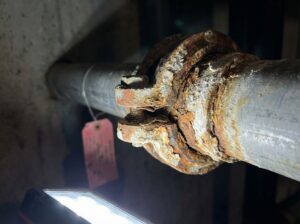
CRITERION 6 → Physical Condition
├─ No damage visible
├─ No corrosion present
└─ No leakage evidence
CRITERION 7 → Hose & Nozzle
├─ Attached securely
├─ No cracks/deterioration
└─ Discharge opening clear
CRITERION 8 → Seals & Indicators
├─ Pin present, intact
├─ Seal unbroken
└─ No tampering evidence
“`
Best practice: Digital checklist ensures all criteria examined every inspection, eliminating human oversight.
—
Documentation Excellence
Minimum compliance:
- Generic form with checkmarks
- Basic pass/fail notation
- Paper storage
Best practice documentation:
Comprehensive digital records (48Fire system):
□ All eight criteria status recorded
□ Specific findings documented
□ Photographic evidence captured
□ GPS location verified
□ Date/time stamp automatic
□ Inspector identification recorded
□ Deficiencies flagged immediately
□ Management alerts automated
Audit-ready organization:
□ Searchable by date/location/unit
□ Instant report generation
□ Historical trend analysis
□ Compliance verification continuous
—
BEST PRACTICE 2 → ANNUAL MAINTENANCE OPTIMIZATION
Professional Service Maximization
NFPA 10 Section 7.3 requires annual maintenance. Best practice ensures maximum value from professional service investment.
—
Certified Technician Selection
Qualification verification essential for commercial buildings:
Technician certification requirements:
□ NFPA training completion verified
□ Manufacturer-specific certification (where applicable)
□ Current credentials confirmed
□ Continuing education maintained
Service provider evaluation:
□ Professional liability insurance verified
□ Worker’s compensation coverage confirmed
□ Business licensing validated
□ Quality assurance program assessed
48Fire certified technicians provide documented qualifications accessible for commercial building compliance verification.
—
Complete Maintenance Scope
NFPA 10 Section 7.3.2 maintenance elements:
EXTERNAL EXAMINATION
□ All monthly inspection criteria
□ Enhanced physical assessment
□ Component security verification
□ Mounting integrity inspection
INTERNAL EXAMINATION (where accessible)
□ Agent condition assessment
□ Internal corrosion check
□ Siphon tube inspection
□ Component degradation identification
MECHANICAL TESTING
□ Operating mechanism function
□ Pressure gauge accuracy
□ Safety relief operation
□ Discharge mechanism verification
COMPONENT MAINTENANCE
□ Seals and O-rings replaced per schedule
□ Worn parts identified and replaced
□ Lubricant applied to moving parts
□ Hardware tightened appropriately
—
Fire Extinguisher Recharge Determination
When fire extinguisher recharge required during annual maintenance:
Mandatory recharge situations:
- Pressure below operable range
- Partial discharge detected
- Seal broken (any reason)
- Agent contamination suspected
- Internal examination performed
- Hydrostatic testing completed
Proactive recharge considerations:
- Pressure at low end of operable range
- Slow pressure loss history
- Equipment approaching six-year examination
- Agent age exceeding manufacturer recommendation
- Environmental exposure concerns
Best practice: Fire extinguisher recharge performed whenever pressure questionable rather than waiting for complete failure.
—
Proper Service Tag Application
NFPA 10 Section 7.3.4 service tag requirements:
Required information:
1. Month and year service performed
2. Name/initials of person performing service
3. Name of servicing agency
Best practice tag includes additional information:
□ Technician certification number
□ Service type performed (maintenance/recharge/testing)
□ Next service due date
□ QR code linking to digital service record
□ 48Fire contact information
Tag durability considerations:
□ Weather-resistant materials (outdoor units)
□ Secure attachment method
□ Legibility preservation
□ Tamper-evident features
—
BEST PRACTICE 3 → SIX-YEAR INTERNAL EXAMINATION
The Deep Maintenance Protocol
NFPA 10 Section 7.3.1 requires six-year internal examination for stored-pressure extinguishers with 12-year hydrostatic test interval.
—
Examination Scheduling
Best practice timing:
Proactive scheduling:
□ Equipment age tracked systematically
□ Examination due dates calculated automatically
□ Service scheduled 6-12 months before deadline
□ Budget allocation planned in advance
Operational coordination:
□ Examination scheduled during low-activity periods
□ Temporary replacement equipment arranged
□ Minimal operational disruption
□ Fire protection coverage maintained
Commercial buildings benefit from systematic six-year examination tracking preventing deadline violations.
—
Complete Examination Scope
NFPA 10 Section 7.3.1 examination process:
STEP 1: Complete Discharge
□ Agent removed completely
□ Discharge valve opened fully
□ Residual pressure released
□ All agent evacuated
STEP 2: Disassembly
□ Valve assembly removed
□ Siphon tube extracted
□ Internal components accessed
□ Complete equipment disassembly
STEP 3: Internal Inspection
□ Vessel interior examined thoroughly
□ Corrosion assessed and documented
□ Pitting measured if present
□ Contamination identified
□ Structural integrity verified
STEP 4: Component Assessment
□ Valve condition evaluated
□ Siphon tube examined
□ Seals and gaskets inspected
□ Worn parts identified
□ Replacement needs determined
—
Component Replacement
Best practice: Replace all seals/gaskets during six-year examination regardless of apparent condition.
Standard replacement during examination:
□ Valve stem O-ring
□ Valve body gasket
□ Siphon tube O-ring
□ Safety relief valve
□ Any worn mechanical components
Preventive replacement advantages:
- Eliminates near-term failure risk
- Extends reliable service life
- Maximizes examination investment value
- Provides peace of mind
—
Fire Extinguisher Recharge After Examination
Post-examination fire extinguisher recharge essential:
Recharge process:
□ Proper agent type verified
□ Correct agent quantity measured
□ Clean, uncontaminated agent used
□ Pressurization per manufacturer specifications
□ Leak testing performed
□ Final pressure verification
Quality assurance:
□ Agent source documented
□ Fill weight recorded
□ Pressure measured and logged
□ Leak test results confirmed
□ Service tag applied
48Fire fire extinguisher recharge services use manufacturer-approved agents ensuring equipment performance reliability.
—
BEST PRACTICE 4 → HYDROSTATIC TESTING PROGRAM
The Structural Integrity Verification
NFPA 10 Section 8 requires periodic hydrostatic testing verifying pressure vessel safety.
—
Testing Schedule Management
NFPA 10 Table 8.3.1 test intervals:
| Extinguisher Type | Test Interval |
|---|---|
| CO2 | 5 years |
| Water (stored pressure) | 5 years |
| Foam (stored pressure) | 5 years |
| Wet chemical | 5 years |
| Dry chemical (stored pressure) | 12 years |
| Clean agent (Halon/Halotron) | 12 years |
Best practice tracking:
Automated scheduling system:
□ Equipment ages monitored continuously
□ Testing due dates calculated automatically
□ Advance notifications 12 months before due
□ Budget planning supported
□ Deadline violations prevented
Commercial buildings benefit from proactive testing scheduling avoiding compliance gaps.
—
Certified Testing Facility Utilization
NFPA 10 Section 8.1 requires testing by trained persons with suitable equipment.
Testing facility requirements:
□ Proper testing equipment maintained
□ Technician training verified
□ Testing procedures documented
□ Quality assurance program implemented
□ Liability insurance maintained
48Fire utilizes certified testing facilities meeting all NFPA requirements with documented capabilities.
—
Testing Process
Hydrostatic testing procedure:
PREPARATION
□ Complete discharge
□ Disassembly
□ Internal cleaning
□ Visual examination
TESTING
□ Test jacket or cage used (safety)
□ Vessel filled with water
□ Pressure applied to test pressure (typically 1.5x service pressure)
□ Held for specific duration
□ Visual examination for leaks/deformation
PASS/FAIL DETERMINATION
□ Vessel maintains pressure → PASS
□ Leakage detected → FAIL
□ Permanent deformation → FAIL
□ Visual damage → FAIL
—
Post-Testing Actions
For PASSED units:
Complete restoration:
□ Thorough drying (internal/external)
□ Complete reassembly
□ Fire extinguisher recharge with proper agent
□ Leak testing
□ Service tag application
□ Return to service
Testing documentation:
□ Test date recorded
□ Test pressure documented
□ Pass result confirmed
□ Technician identification
□ Next test due date calculated
—
For FAILED units:
Proper disposal per NFPA 10 Section 8.3.5:
□ Unit condemned permanently
□ Physical destruction performed
□ Destruction certificate issued
□ Replacement equipment provided
□ Documentation maintained
Commercial buildings replacing failed units ensure fire protection maintained continuously through coordination with 48Fire.
—
BEST PRACTICE 5 → PROACTIVE FIRE EXTINGUISHER RECHARGE
Beyond Reactive Service
Best practice: Fire extinguisher recharge performed proactively rather than waiting for equipment failure.
—
Recharge Trigger Indicators
Mandatory recharge situations:
- Gauge indicates low/no pressure
- Any amount discharged (even small test)
- Broken seal (regardless of reason)
- Failed leak test
- Slow pressure loss detected
- Post-testing restoration
- Post-six-year examination
Proactive recharge indicators:
- Pressure at low end of range (but still operable)
- History of slow pressure decline
- Environmental exposure concerns
- Agent age approaching manufacturer limit
- Equipment reliability critical for operation
Best practice: Address pressure concerns early through fire extinguisher recharge before complete failure occurs.
—
Recharge Procedure Standards
Proper fire extinguisher recharge process:
STEP 1: Complete Discharge
□ Remaining agent removed fully
□ Pressure released completely
□ Internal vessel cleared
STEP 2: Internal Inspection
□ Visual examination performed
□ Contamination assessed
□ Corrosion checked
□ Condition documented
STEP 3: Component Service
□ Seals inspected, replaced if questionable
□ O-rings examined, renewed if needed
□ Valve components checked
□ Hardware verified secure
STEP 4: Agent Installation
□ Correct agent type verified
□ Proper quantity measured
□ Clean agent source confirmed
□ Fill weight documented
STEP 5: Pressurization
□ Correct pressure applied per manufacturer
□ Nitrogen used (stored pressure types)
□ Pressure gauge verified accurate
□ Final pressure confirmed in operable range
STEP 6: Leak Testing
□ Soapy water solution applied to connections
□ No bubbles indicates proper seal
□ Pressure monitored for stability
□ Equipment verified leak-free
STEP 7: Documentation
□ Service tag applied
□ Fire extinguisher recharge recorded
□ Agent source documented
□ Next service date determined
—
Quality Assurance
Commercial buildings ensure fire extinguisher recharge quality through:
Agent quality verification:
□ Manufacturer-approved agent used
□ Clean, uncontaminated source
□ Proper agent type for equipment
□ Expiration dates checked
Procedure compliance:
□ NFPA procedures followed exactly
□ Manufacturer specifications referenced
□ Quality checkpoints verified
□ Final testing performed
Documentation completeness:
□ Complete service records
□ Agent source traceable
□ Technician accountability
□ Warranty protection maintained
48Fire fire extinguisher recharge services maintain documented quality assurance ensuring commercial building equipment reliability.
—
BEST PRACTICE 6 → DEFICIENCY MANAGEMENT
The Immediate Response Protocol
Equipment deficiencies identified during inspections require immediate management preserving fire protection.
—
Deficiency Classification
Severity-based response:
“`
MINOR DEFICIENCIES
├─ Cosmetic issues (surface rust, faded labels)
├─ Response: Document, schedule routine correction
└─ Timeline: Within 30 days
MODERATE DEFICIENCIES
├─ Functional concerns (marginal pressure, early wear)
├─ Response: Enhanced monitoring, scheduled service
└─ Timeline: Within 14 days
CRITICAL DEFICIENCIES
├─ Safety issues (broken seals, no pressure, severe damage)
├─ Response: Immediate removal, emergency fire extinguisher recharge/replacement
└─ Timeline: Same day
“`
—
Critical Deficiency Protocol
Immediate actions for critical issues:
STEP 1: Remove from Service
□ Tag equipment “OUT OF SERVICE”
□ Remove from mounting bracket
□ Prevent use until corrected
STEP 2: Temporary Replacement
□ Install equivalent temporary unit
□ Maintain fire protection continuously
□ Document temporary equipment
STEP 3: Emergency Service
□ Contact 48Fire for emergency fire extinguisher recharge
□ Schedule same-day service where possible
□ Expedite parts if needed
STEP 4: Return to Service
□ Verify correction completed properly
□ Test equipment functionality
□ Apply proper service tag
□ Update documentation
Best practice: Zero tolerance for defective equipment remaining accessible ensures commercial building fire protection reliability.
—
BEST PRACTICE 7 → DOCUMENTATION SYSTEMS
The Compliance Foundation
Comprehensive documentation transforms maintenance from activity to verifiable compliance program.
—
Digital Documentation Advantages
48Fire digital documentation system provides:
Complete service history:
□ All inspections recorded
□ Every maintenance event documented
□ Fire extinguisher recharge services tracked
□ Testing records maintained
□ Photographic evidence stored
Instant accessibility:
□ Cloud-based 24/7 access
□ Searchable by equipment/date/type
□ Audit reports generated instantly
□ Compliance status real-time
Automated compliance:
□ Service due dates tracked
□ Automatic reminders sent
□ Deadline violations prevented
□ Management visibility continuous
Audit readiness:
□ Complete records producible immediately
□ Professional presentation format
□ Technician credentials accessible
□ Regulatory compliance verified
—
CONCLUSION
Best Practices Summary
Fire extinguisher maintenance best practices for commercial buildings:
PRACTICE 1: Systematic Monthly Inspections
- Fixed schedule, designated inspectors
- All eight NFPA criteria examined
- Digital documentation with photos
- Real-time deficiency management
PRACTICE 2: Professional Annual Maintenance
- Certified technician service
- Complete NFPA Section 7.3 scope
- Fire extinguisher recharge when indicated
- Proper service tag application
PRACTICE 3: Proactive Six-Year Examination
- Automated scheduling prevents gaps
- Complete internal inspection
- All seals/gaskets replaced
- Fire extinguisher recharge after examination
PRACTICE 4: Systematic Hydrostatic Testing
- Testing tracked automatically
- Certified facility utilization
- Pass/fail documentation maintained
- Failed units replaced promptly
PRACTICE 5: Proactive Fire Extinguisher Recharge
- Early pressure concerns addressed
- Quality agent sources verified
- Proper procedures followed
- Complete documentation maintained
PRACTICE 6: Immediate Deficiency Management
- Critical issues removed same-day
- Temporary replacements installed
- Emergency fire extinguisher recharge coordinated
- Protection maintained continuously
PRACTICE 7: Comprehensive Digital Documentation
- Complete service history accessible
- Audit-ready reports instant
- Compliance verified continuously
- Management visibility real-time
48Fire professional services provide commercial buildings with complete fire extinguisher maintenance programs including systematic inspections, certified technician service, fire extinguisher recharge capabilities, hydrostatic testing coordination, and comprehensive digital documentation—ensuring equipment reliability and regulatory compliance.
[Implement Professional Maintenance Program](/contact-us)
—
48Fire
Fire Extinguisher Recharge & Maintenance Services
Commercial Building Specialists • Complete NFPA Compliance • Digital Documentation
Contact: [/contact-us](/contact-us)