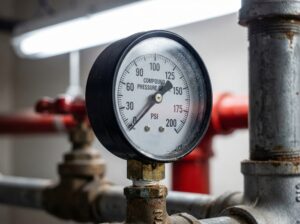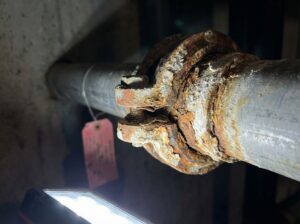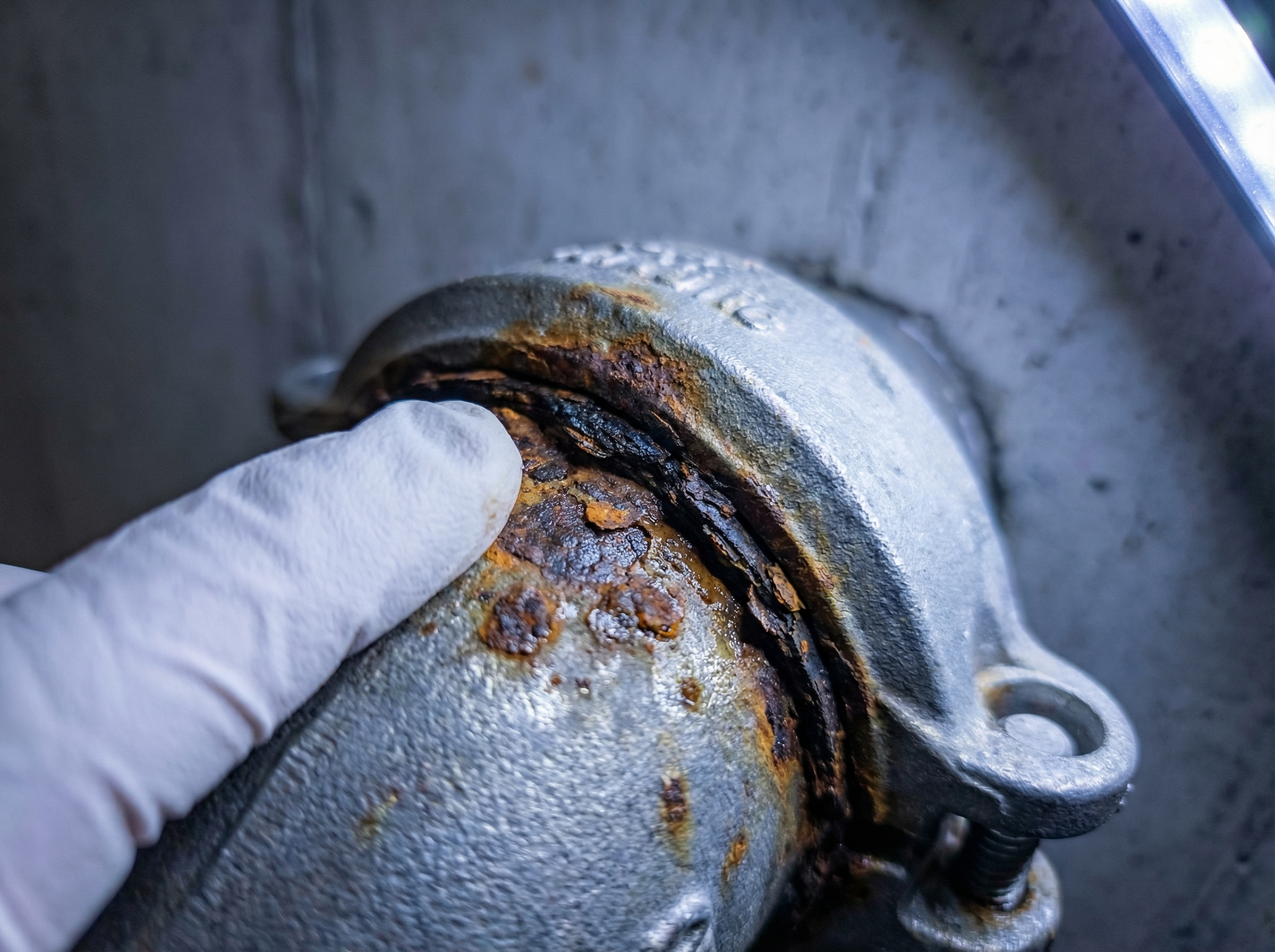
Startling statistic: In 2023, Life Safety Code citations for Fire Alarm System – Testing and Maintenance (K0345) ranked among the top, with 143 occurrences across Life Safety Code surveys. That statistic isn’t just a number; it represents hospital rooms darkened by preventable errors, facilities operating with outdated or misconfigured alarms, and an ecosystem of life-safety risk that can overwhelm budgets and jeopardize patients, staff, and visitors. When fire alarm faults slip through the cracks, they don’t just trigger alarms; they trigger violations, costly fines, and, most critically, real risk to life. This article dives deep into why fire alarm faults trigger violations, how to spot and fix the common failure modes, and how to build a robust maintenance culture that keeps facilities compliant, safe, and ready.
—
Table of Contents
- The Stakes: Why fire alarm faults matter
- How violations arise from faults: the regulatory lens
- Common fault modes and failure points
- Case studies: real-world wake-up calls
- Vanderbilt University Medical Center — Fire Alarm System Notification
- Renovation-induced notification bypass: NFPA 101 and NFPA 72 non-compliance
- The regulatory landscape: what standards require and why
- Practical prevention: a proactive maintenance approach
- Step-by-step problem-to-solution implementation
- A diagnostic checklist and maintenance calendar
- Metrics that matter: measuring success and staying in compliance
- 48Fire Protection services: near-end capabilities that matter
- Final considerations and next steps
- [Contact 48Fire Protection]
—
The Stakes: Why Fire Alarm Faults Matter
A fire alarm system is more than a loud siren; it is the critical life-safety backbone that coordinates detection, notification, and response when minutes can mean the difference between a close call and a tragedy. When a fault occurs—whether a miscommunication from the panel, a degraded detector, a failed notification device, or a compromised battery backup—the system’s reliability is compromised. That compromised reliability is precisely what triggers life-safety violations during regulatory surveys.
Key realities to keep in mind:
- Fire alarm faults can obscure the early warning function. If the system cannot reliably detect smoke or heat and immediately announce it to occupants and responders, the delay can escalate consequences.
- Regulatory expectations are explicit. Life Safety Code (LSC) and Health Care Facilities Code (HCFC) requirements set the baseline for testing, maintenance, and documentation. In healthcare facilities and other high-risk environments, the expectations are high and rigorously enforced.
- Violations aren’t just about a failed test; they’re about a failure to demonstrate ongoing readiness. Regulators look for documented, traceable, repeatable maintenance and testing practices, not just one-off pass/fail results.
To ground the discussion in the regulatory reality, consider how CMS frames life-safety surveys and enforcement. The CMS guidance references Life Safety Code (LSC) and HCFC compliance for health care facilities, with testing and maintenance deficiencies repeatedly driving findings. For a detailed summary of the life-safety framework, refer to the CMS pages on Life Safety Code and Health Care Facilities Code Requirements. See:
- [Life Safety Code & Health Care Facilities Code Requirements]
- [CMS uses NFPA Life Safety Code (LSC) and Health Care Facilities Code (HCFC) (2012 edition) for life-safety surveys in healthcare facilities, with citations issued for fire alarm testing/maintenance deficiencies.]
Why the focus on testing and maintenance? Because the LSC/HCFC frameworks rely on ongoing verification that systems function as designed. The language of these standards emphasizes performance, documentation, and the capability to respond to a fire event with audible and visible alerts, automatic initiation, and reliable communication to building occupants and responders. When testing and maintenance are neglected, the risk profile shifts from “the system should work” to “the system may not work in an emergency.” That discrepancy is precisely what triggers violations and, more importantly, endangers lives.
Regulatory emphasis on testing and maintenance is not an abstract concern. CMS data in 2023 highlighted that the Life Safety Code citations for fire alarm system testing and maintenance (K0345) were among the top cited areas, with 143 occurrences across surveys. This underscores a systemic gap in preparation, inspection, and documentation. See the discussion of top citations in the CMS landscape here: [CMS Releases Top Citations from 2023].
—
How Violations Arise from Faults: The Regulatory Lens
Understanding why fire alarm faults become violations starts with two interlocking frameworks:
- The Life Safety Code (LSC) and Health Care Facilities Code (HCFC): These are the backbone standards that govern life-safety features in health care facilities and in many other high-risk environments. They cover detection, notification, alarm signaling, and the reliability of life-safety systems in emergencies.
- NFPA standards, especially NFPA 72 (National Fire Alarm and Signaling Code) and NFPA 101 (Life Safety Code): These codes specify the technical requirements for system design, installation, testing, maintenance, and performance criteria for fire alarm systems.
What regulators typically scrutinize includes:
- Test procedures: Are there documented test protocols for quarterly, semi-annual, and annual testing? Are there witness signatures or automated test logs?
- Maintenance records: Are all service calls, part replacements, and system updates logged with dates, technicians, and work performed?
- System communication: Does the system reliably notify occupants and authorities? Are there documented testing of audible devices, visual alarms, and annunciators?
- Battery backup and power supply: Are battery backups within expected life cycles? Are there maintenance actions to ensure batteries are replaced before end-of-life?
- System integrity during renovations: Any alteration to the building that affects detection or notification must be coordinated with the fire alarm system’s integrity, including ensuring that any bypasses or modifications do not compromise life-safety functions.
- Documentation and traceability: Can the facility demonstrate ongoing compliance through auditable records, test logs, and commissioning documentation?
The regulatory concern is not simply about performing tests; it is about demonstrating ongoing readiness. CMS and other regulators emphasize the importance of consistent, auditable maintenance practices and rapid remediation of issues discovered during testing or surveys.
The broader context shows why this topic matters. The ASC Focus coverage of CMS’s top citations from 2023 shows that focus areas around fire alarm testing and maintenance are persistent sources of citations, illustrating that facilities frequently miss the mark on routine, but essential, preventive work. See: [CMS Releases Top Citations from 2023].
In addition to the regulatory narrative, there are real-world consequences when faults are allowed to persist. A documented case demonstrates how a failure to maintain a properly functioning notification system can lead to non-compliance during an inspection, even when the primary detection system is operational. Vanderbilt University Medical Center’s Fire Alarm System – Notification case provides a concrete example of how notification devices can fail or be bypassed, prompting life-safety violations. See: [Vanderbilt University Medical Center — Fire Alarm System – Notification]
A related scenario highlights that even during renovation, the mere presence of bypasses or disabled components can constitute a violation of NFPA 101 (2012) and NFPA 72. This underscores the importance of maintaining continuous, compliant operation of the alarm system during construction or renovation activities. The same inspection report provides a lens into the complexity of ensuring uninterrupted system performance through change control processes. See: [Vanderbilt University Medical Center — Fire Alarm System – Notification]
Case in point: In 2025, an inspection revealed that a fire alarm notification system was bypassed during renovation, illustrating how easily non-compliance can slip into practice when projects do not integrate life-safety controls into every phase of construction. This example underscores the risk of assuming that temporary fixes during renovations won’t impact life safety. See: [Vanderbilt University Medical Center — Fire Alarm System – Notification]
The upshot: Fire alarm faults and the resulting failures to maintain and test appropriately create legitimate grounds for violations. Regulators want to see evidence of proactive management, not reactive fixes.
—
Common Fault Modes and Failure Points
To prevent violations, facilities should know the fault modes most commonly implicated in life-safety failures. These are not exotic problems; they are familiar issues that, when left unaddressed, accumulate risk.
1) Testing gaps
- Infrequent or incomplete testing beyond required minimums.
- Tests that are performed but not properly documented, or logs that lack signatures, dates, and outcomes.
- Inadequate testing of all system subsystems (detection, initiation, notification, and safety interfaces).
2) Battery backup and power issues
- End-of-life or degraded batteries that fail under load.
- Power supply failures or voltage fluctuations that affect system reliability.
- Lack of preventive replacement schedules based on manufacturer recommendations.
3) Notification device performance
- Audible devices that fail to announce clearly in certain areas (dead zones) or have degraded sound levels.
- Visual notification devices (strobes) that fail to operate or are inaudible due to design or placement.
- Wiring faults, device faults, or annunciator failures that prevent alarm communication.
4) Detector and initiating device faults
- Fire detectors that fail to respond to smoke/heat due to sensitivity drift, fouling, or sensor failure.
- Initiating devices that fail to communicate to the central system or cause delays in annunciation to occupants and responders.
5) Wiring and controller issues
- Damaged or corroded wiring that causes intermittent signaling or loss of circuits.
- Controller hardware failures or software glitches that misreport status or fail to execute control logic.
- Insufficient separation, improper power distribution, or back-up power conflicts.
6) Post-event and test documentation gaps
- Failure to maintain complete, auditable records of tests and maintenance.
- Inadequate change management when repairs or upgrades occur.
- Missing or irregular post-maintenance verification tests to confirm remediation.
7) Renovations and construction-related risks
- Bypasses or temporary modifications that compromise detection or notification during construction.
- Inadequate coordination between construction teams and life-safety teams.
- Delays in re-commissioning after construction or scope changes.
These fault modes aren’t isolated to one building type; healthcare facilities, hotels, campuses, and manufacturing plants can experience similar categories of faults. The common thread is a failure to maintain a continuous chain of evidence that demonstrates the system functions as designed in real-world conditions and during emergencies.
Case studies illustrate the practical implications of these fault modes.
Case Study: Vanderbilt University Medical Center — Fire Alarm System Notification
A hospital inspection identified issues related to fire alarm system notification at Vanderbilt University Medical Center. The focus on notification underscores how critical it is for occupants to hear and see signals and for responders to receive timely alerts. The case demonstrates that even when the detection network is functional, notification devices and their infrastructure can be a point of failure that regulators scrutinize. See: [Vanderbilt University Medical Center — Fire Alarm System – Notification]
Case Study: Renovation-related Bypass Issues
A renovation scenario where the fire alarm system notification was bypassed during construction highlights how quickly non-compliance can arise from changes in the building environment. NFPA 101 (2012) and NFPA 72 require careful integration of changes so that life-safety performance is preserved. This points to a broader lesson: any project that touches life-safety systems must be managed with the same rigor as a full fire protection project. See: [Vanderbilt University Medical Center — Fire Alarm System – Notification]
These case studies aren’t isolated anecdotes. They reflect systemic challenges facilities face when testing and maintenance are treated as routine, non-critical tasks rather than central elements of life-safety program leadership. They also illustrate how easily changes in construction, upgrades, or temporary configurations can introduce vulnerabilities that regulators will detect and penalize.
—
The Regulatory Landscape: Standards in Play
The fire alarm world sits at the intersection of local codes, national standards, and regulatory oversight. The core standards involved include:
- NFPA 72: National Fire Alarm and Signaling Code. It defines the criteria for the design, installation, testing, and maintenance of fire alarm systems.
- NFPA 101: Life Safety Code. It establishes life-safety requirements including means of egress, detection, notification, and system integrity during occupancy and construction.
- CMS Life Safety Code (LSC) and Health Care Facilities Code (HCFC): The federal framework used in surveys of health care facilities, requiring documentation of compliance with life-safety criteria including fire alarm testing/maintenance.
These standards converge in practical terms as follows:
- Testing protocols must be thorough and well-documented. Testing is not a single event but a series of checks that validate the reliability of detection, initiation, and notification.
- Maintenance must be regular, with evidence of service, parts replacement, and functional verification after repairs.
- Documentation must be complete, allowing regulators to track the life-safety performance over time, including after renovations or changes in occupancy.
The regulatory emphasis on testing and maintenance has been reflected in recent coverage of CMS top citations. In 2023, Life Safety Code citations for Fire Alarm System – Testing and Maintenance (K0345) ranked among the top, with 143 occurrences. This data underscores the ongoing importance of robust life-safety program management. See the discussion of top citations: [CMS Releases Top Citations from 2023].
For practitioners who want to ground their approach in regulatory precedent and enforceable practice, CMS provides the official context and code references. The CMS Life Safety Code and Health Care Facilities Code Requirements page is an essential resource for understanding the expectations regulators have for life-safety programs in care facilities. See: [Life Safety Code & Health Care Facilities Code Requirements]
Further context on the CMS enforcement landscape highlights the role of testing and maintenance deficiencies in life-safety surveys. The CMS guidance emphasizes that life-safety surveys rely on the LSC/HCFC framework and the NFPA standards to evaluate whether life-safety systems are prepared for real-world emergencies and that testing and maintenance deficiencies can become the basis for citations. See: [CMS uses NFPA Life Safety Code (LSC) and Health Care Facilities Code (HCFC) (2012 edition) for life-safety surveys in healthcare facilities, with citations issued for fire alarm testing/maintenance deficiencies.]
These regulatory anchors matter because they translate into practical requirements for facility managers. When a system’s test data is incomplete, or a maintenance action was performed but not verified by a follow-up test, regulators may find a deficiency under K0345 or similar standards. The practical upshot: robust testing and meticulous recordkeeping are core to compliant operation.
—
Practical Prevention: A Proactive Maintenance Approach
The path to avoiding violations starts with a proactive, auditable maintenance program that treats fire alarm maintenance as a core facility management discipline rather than a back-office afterthought. The approach below folds in regulatory expectations, field realities, and a risk-based mindset to prepare facilities for regulation, accreditation, and real emergencies.
Step-by-step problem-to-solution implementation
1) Establish a robust baseline assessment
- Inventory all fire alarm system components: control panels, power supplies, battery backups, initiating devices, notification devices, cabling, and integration with the facility’s life-safety systems (egress lighting, elevator recall, HVAC shutoff).
- Document existing test procedures, frequency, and responsible personnel.
- Identify dependents (e.g., a specific zone or area with higher risk or frequent faults) that require enhanced monitoring.
2) Develop a comprehensive maintenance schedule
- Create a year-long calendar that codifies testing frequency for all subsystems (detection, initiation, notification) consistent with NFPA and CMS expectations.
- Schedule preventive maintenance to occur with physical outages or low-occupancy windows to minimize disruption.
- Build in redundancy checks to ensure that a single component failure does not compromise the entire system’s performance.
3) Standardize testing protocols
- Detection system testing: verify sensitivity, response thresholds, and mechanical integrity of detectors.
- Initiation devices: verify that all initiating devices signal the control panel and escalate to the appropriate response channels.
- Notification testing: confirm audible and visible signaling across all areas, including gated spaces, basements, high-noise environments, and areas with critical functions (operating rooms, patient wards, labs).
- Fault condition testing: validate that system faults (open circuits, short circuits) are properly detected and alarmed.
4) Strengthen documentation and traceability
- Maintain electronic and hard copy logs with dates, test results, technician IDs, parts used, and next steps.
- Use a standardized report template to ensure consistency across tests and visits.
- Ensure post-maintenance verification: after any repair or replacement, perform a verification test and log the outcome.
5) Emphasize battery backup readiness
- Replace batteries on a defined cycle based on manufacturer recommendations and field experience with actual performance data.
- Inspect power supplies and circuits for heat, corrosion, and wear that could reduce reliability.
6) Inspect, test, and verify notification devices
- Confirm devices’ audible and visible signaling across all zones, including noise-challenged environments and locations with potential obstructions.
- Validate the integrity of the annunciation system and ensure that monitoring and alarm signals reach the central panel and external responders.
7) Coordinate with renovations and construction
- Implement a formal change-management process for renovations that affect life-safety systems.
- Ensure temporary bypasses, modifications, or outages do not compromise the overall system.
- Re-commission the system after any construction or major change to restore full functionality.
8) Train and empower staff
- Train facilities and maintenance staff on test procedures, fault identification, and escalation processes.
- Provide ongoing continuing education on NFPA standards, CMS expectations, and the facility’s own maintenance policies.
9) Establish an audit-ready posture
- Conduct periodic internal audits to ensure records, test results, and maintenance actions align with regulatory expectations.
- Pre-inspection dry runs can identify gaps before regulators show up.
10) Plan for rapid remediation
- When faults are identified, implement a rapid remediation plan with a defined timeline, responsible parties, and escalation steps.
- Follow up with post-repair verification and documentation.
A diagnostic checklist and maintenance calendar
- [ ] Inventory all components (panel, detectors, initiating devices, notification devices, power, battery backup)
- [ ] Review NFPA 72 and NFPA 101 references for current testing requirements
- [ ] Validate test frequency for each subsystem
- [ ] Confirm test procedures for detection, initiation, and notification
- [ ] Verify logbook completeness (dates, technicians, results)
- [ ] Check battery backups: voltage, aging, replacement schedule
- [ ] Test notification devices across all zones
- [ ] Reconcile renovations and temporary changes with a change-management plan
- [ ] Compile post-maintenance verification results
- [ ] Schedule an internal audit for readiness
Tables: What to test and how often (illustrative)
| Subsystem | Typical Test Frequency | What to Verify | Common Defects Seen | Regulatory Reference |
|---|---|---|---|---|
| Detection (duct detectors, smoke/heat sensors) | Quarterly | Sensitivity, response time, contamination, mounting | Drift in sensitivity, fouling, false positives | NFPA 72; LSC/HCFC guidelines |
| Initiating devices (pull stations, networked initiators) | Monthly to Quarterly | Communication to panel, zone signaling | Broken triggers, delayed signaling | NFPA 72 |
| Alarm notification devices (audible/visual) | Quarterly | Coverage, audibility, strobe visibility | Inaudible zones, dim strobes, synchronization issues | NFPA 72; NFPA 101 |
| Control panel and relays | Annually | Status indicators, fault logs | Firmware glitches, misreporting | NFPA 72; CMS expectations |
| Battery backup | Annually or per manufacturer | Voltage, load testing, replacement cycle | Weak batteries, corrosion | NFPA 72; NFPA 110 guidelines |
| Power supply and wiring | Annually | Continuity, insulation, grounding | Loose connections, damaged conductors | NFPA 70 (NEC) considerations |
| Documentation and logs | Continuous | Completeness, accuracy, accessibility | Missing signatures, gaps in history | CMS LSC/HCFC guidance |
Bold callouts and key points to remember
- Proactive maintenance is a regulatory imperative as much as a safety practice. When maintenance becomes rote, the documentation often becomes weak or incomplete, creating the conditions for a citation.
- Renovations are a high-risk period for life-safety systems. The temporary changes must be integrated into the life-safety program so that commissioning re-creates a compliant state.
- Documentation is the currency regulators use to assess readiness. Without auditable logs, even a functioning system can be perceived as non-compliant.
The goal is not simply passing an inspection; it is demonstrating that the fire alarm system will perform exactly as needed when occupants need it most. The reality is that many facilities fail to recognize that the stress of day-to-day operations masks maintenance gaps until regulators review the system.
Metrics that Matter: How to Measure Compliance and Readiness
To monitor progress and prevent violations, facilities should track a few core metrics that reflect both performance and readiness:
- Test completion rate: percentage of tests completed on schedule vs. the planned calendar.
- Fault-to-remedy cycle time: average time from fault detection to remediation and verification.
- Documentation completeness: percentage of test records that include all required fields (date, technician, actions, results, next steps).
- Battery health indicators: percentage of panels with batteries in the recommended life cycle (and the average remaining life).
- Notification coverage metrics: audit results showing effective audibility and visibility across all zones, including challenging spaces.
- Renovation risk tracking: number of ongoing renovations with change-management steps integrated into life-safety testing and re-commissioning.
Organizations should implement dashboards that highlight these metrics in real time or near real time, so that leadership can quickly identify gaps and allocate resources to close them.
Real-World Lessons: What Failures Teach Us
The Vanderbilt case study and renovation scenario illustrate fundamental truths about life-safety systems:
- The system’s reliability is a function of complete, well-documented testing and maintenance, not just occasional checks.
- Construction and renovation projects demand a robust, integrated life-safety plan that explicitly addresses detection and notification during all phases of work.
- Regulators expect not only functioning devices but also robust processes showing that faults are identified, remediated, and verified with evidence-based documentation.
These lessons translate into practical actions: tighten test procedures, formalize change management for renovations, and insist on post-maintenance verification documentation that stands up to regulatory review.
The 48Fire Protection Perspective: Your Partner for Fire Alarm Maintenance and Compliance
Near the end of any discussion about fire alarm maintenance and compliance, facilities ask a practical question: who can help ensure we stay on the right side of the code while keeping our systems dependable? 48Fire Protection is a leader in fire protection services with deep experience in fire alarm system testing, maintenance, and compliance.
- Risk-based assessments: We begin with a risk-based audit of your fire alarm system to identify vulnerabilities and high-priority areas.
- Comprehensive testing programs: Our engineers implement testing regimes aligned to NFPA 72, NFPA 101, and CMS expectations, ensuring auditable records and clear corrective action paths.
- Preventive maintenance: We emphasize proactive component replacement (detectors, batteries, power supplies) based on manufacturer recommendations and field data.
- Change management and renovations: We provide a structured approach to renovations that preserves life-safety performance, including commissioning after changes.
- Documentation and reporting: Our teams deliver thorough, regulator-ready documentation that can withstand life-safety surveys.
One of the critical advantages of working with 48Fire Protection is our ability to translate complex code requirements into actionable maintenance plans and schedules that facility managers can implement across campuses, hospitals, hotels, and industrial sites.
48Fire Protection Services: What We Bring to Your Fire Alarm Maintenance Program
- Fire alarm system testing and commissioning
- NFPA 72 and NFPA 101-compliant maintenance programs
- Battery backup testing and replacement scheduling
- Control panel diagnostics and firmware management
- Initiating device testing and fault isolation
- Fire alarm system documentation and regulatory reporting
- Renovation and construction coordination for life-safety integration
- Preventive maintenance programs with risk-based prioritization
- Regulatory readiness assessments and internal audits
- On-call support and emergency response for life-safety systems
Why choose 48Fire Protection for fire alarm maintenance and compliance?
- Proven track record: We support healthcare facilities, commercial properties, and industrial sites with audits, maintenance, and compliance programs that reduce violations and improve system reliability.
- Expertise with CMS and NFPA guidelines: Our teams stay current with the latest life-safety standards and enforcement practices, ensuring that your program aligns with regulatory expectations.
- Transparent, auditable processes: We provide clear, documented evidence of testing, maintenance, and remediation steps that regulators can review quickly.
For facility managers facing the prospect of audits, recalls, or life-safety failures, partnering with a trusted provider can be a game changer. Our approach is not about “passing” an inspection but about building a durable culture of safety, reliability, and compliance.
Case Study-Driven Reflection: How the Evidence Informs Practice
The real-world examples cited above—Vanderbilt’s notification case and the renovation-related bypass concerns—underline a critical principle: life-safety systems demand vigilant, ongoing governance. The stories show that the risk of routine maintenance turning into a citation is not theoretical; it’s a regulatory reality with tangible consequences for patient care, staff safety, and financial health.
To translate these lessons into practice:
- Build a maintenance culture that sees testing and documentation as essential to life safety rather than as a compliance burden.
- Integrate construction and renovation work into the life-safety plan so that changes do not undermine the system’s performance.
- Maintain a robust triage process for faults, with defined escalation paths, clear remediation timelines, and post-remediation verification.
- Invest in professional services that bring regulatory insight, field expertise, and continuous improvement to your fire alarm program.
Citations and further reading
- Life Safety Code & Health Care Facilities Code Requirements. CMS guidance on life-safety criteria and health care facilities. See: [Life Safety Code & Health Care Facilities Code Requirements]
- CMS uses NFPA Life Safety Code (LSC) and HCFC (2012 edition) for life-safety surveys in healthcare facilities, with citations issued for fire alarm testing/maintenance deficiencies. See: [CMS uses NFPA Life Safety Code (LSC) and Health Care Facilities Code (HCFC) (2012 edition) for life-safety surveys in healthcare facilities, with citations issued for fire alarm testing/maintenance deficiencies.]
- CMS Releases Top Citations from 2023. See: [CMS Releases Top Citations from 2023]
- In 2023, Life Safety Code citations for Fire Alarm System – Testing and Maintenance (K0345) ranked among the top, with 143 occurrences across Life Safety Code surveys, highlighting testing/maintenance gaps as a major violation driver. See: [In 2023, Life Safety Code citations for Fire Alarm System – Testing and Maintenance (K0345) ranked among the top…]
- Vanderbilt University Medical Center — Fire Alarm System – Notification. See: [Vanderbilt University Medical Center — Fire Alarm System – Notification]
- A 2025 inspection found the fire alarm system notification bypassed during renovation, revealing non-compliance with NFPA 101 (2012) and NFPA 72. See: [Vanderbilt University Medical Center — Fire Alarm System – Notification]
Closing thought: Fire alarm maintenance isn’t a luxury; it’s a core function of risk management, patient safety, and regulatory compliance. The more disciplined your maintenance program is, the lower your risk of life-safety violations—and the more confident your team can be that the building will perform as designed when it matters most.