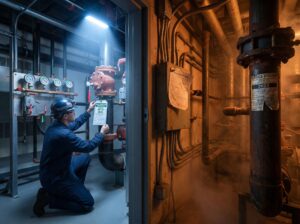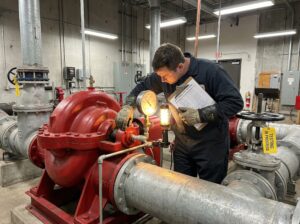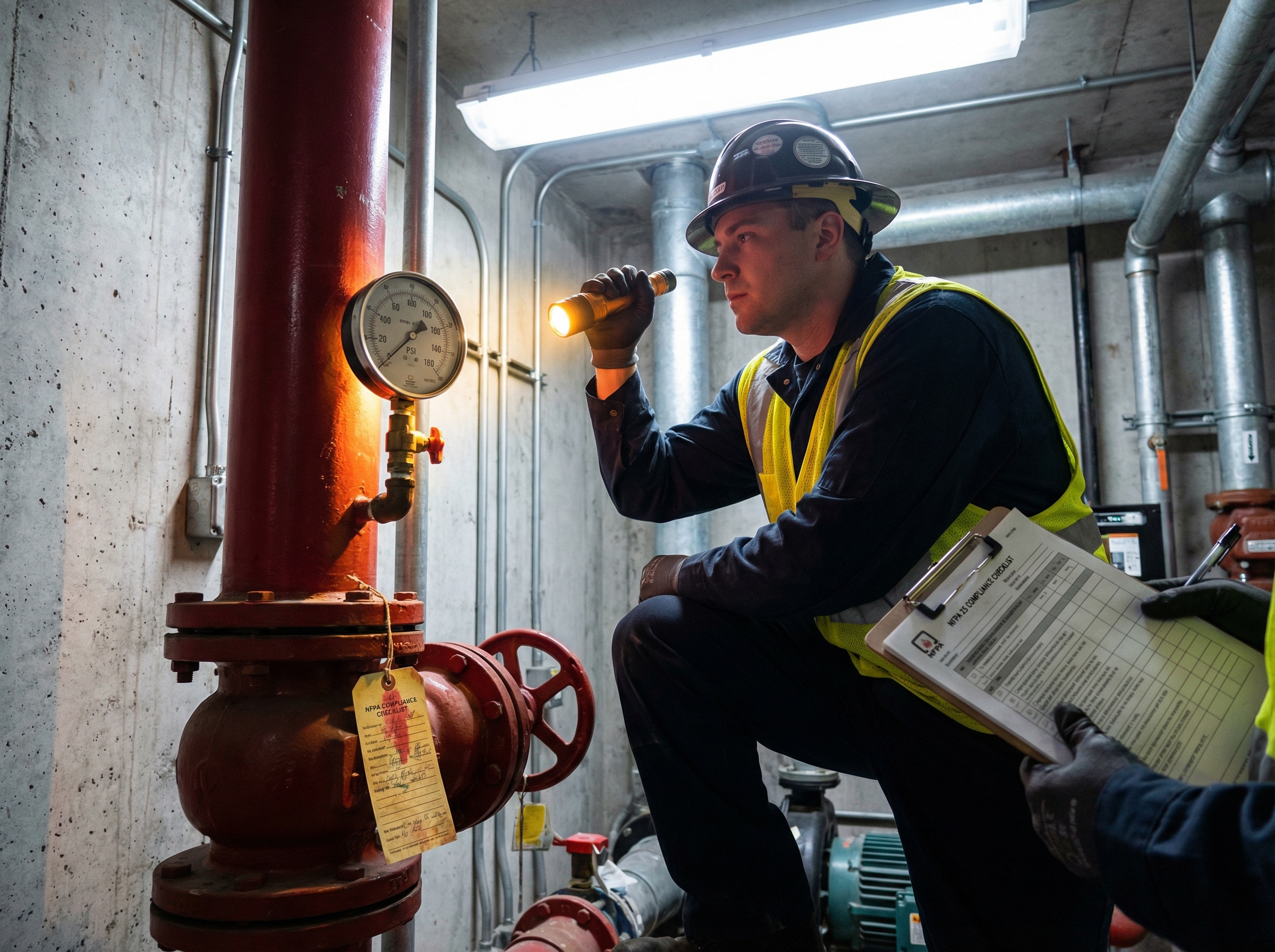
In the complex world of construction and fire protection, a violation isn’t just a line item on a punch list. It can trigger cascading consequences—from stiff penalties and project delays to heightened safety risks for workers and the public. The question is: when a contractor is responsible for a building code or safety violation, who bears the liability, and what steps should owners, facility managers, and project teams take to protect people and stay compliant? This article breaks down the reality of contractor liability for violations, with practical guidance, real-world examples, and a path forward for teams that work with or oversee contractors on fire protection projects.
—
Opening scene: a project in progress, a violation surfaces
Imagine a mid-sized commercial project nearing its final inspections. The fire protection contractor is winding down: the sprinkler lines are in, the fire alarm system is buzzing with alarms tested, and the building’s occupancy is scheduled for a rapid turnover. Then an inspector points to a critical problem: a trenching violation that failed to meet required protections, or a substandard fall-protection setup that puts workers at risk. The violation isn’t just a “paper” issue—it carries real consequences: potential injury, halted work, and penalties that can run into the hundreds of thousands or more.
This scenario isn’t hypothetical for long. When a contractor’s actions cause a violation, the stakes rise quickly. The responsible parties can include the contractor, the hiring entity (owner or developer), and the broader project team, depending on the facts of the case, the nature of the violation, and the applicable codes and regulations. The goal of the following sections is to clarify who can be liable, what penalties may apply, and how to respond effectively to protect life safety, save money, and keep a project moving forward.
—
The core question: who is liable when a contractor causes a violation?
Contractor liability for violations sits at the intersection of safety regulation, building code compliance, contract law, and insurance. The answer isn’t always a single party taking sole responsibility; in many situations, multiple parties share liability to varying degrees. Here’s a practical framework to understand liability dynamics.
1) Direct contractor liability
- If a contractor directly causes a violation—such as failing to install safety devices, neglecting required fall protection, or performing trench work without proper shoring—the contractor can face penalties, fines, or corrective orders. In OSHA’s enforcement framework, penalties for willful or repeat violations can be substantial, and agencies are increasingly vigilant in deterrence when a contractor’s negligence exposes workers to risk. As the OSHA press release notes, penalties for 2025 now include per-violation maximums that motivate stronger contractor accountability. [OSHA’s 2025 penalties increase to a maximum of $16,550 per serious/other-than-serious violation and $165,514 per willful or repeat violation].
- In willful or repeated violations, enforcement can escalate quickly, and a contractor’s placement into special enforcement programs (like OSHA’s Severe Violators Enforcement Program) can amplify scrutiny and penalties, as demonstrated by real-world cases. For instance, Adrian Construction Group LLC faced a substantial penalty for repeated fall-protection violations and was placed into a federal enforcement program, signaling heightened oversight for persistently noncompliant behavior. [New Jersey contractor’s ongoing disregard for safety laws leads to $1M penalty after federal inspection finds workers exposed to falls]
- Similarly, trenching hazards can trigger severe penalties under a National Emphasis Program, underscoring how contractors responsible for dangerous conditions can face multi-million-dollar consequences when violations are willful or systemic. [Tamuning contractor faces $1M in penalties after federal inspectors find employees again exposed to potentially fatal trench hazards]
These examples illustrate a broader principle: direct liability follows the contractor who commits the unsafe act or code violation, particularly when it involves life-safety systems, working conditions, or hazardous operations.
2) Owner and project team liability
- Owners and general contractors can bear liability when they knew, should have known, or failed to address known deficiencies. Indirect liability can emerge from inadequate oversight, improper delegation of responsibilities, or a failure to enforce contract provisions that require compliant performance. It’s common for project owners to require contractors to follow specific safety plans, permit processes, or QA/QC checks. When those plans are disregarded, owners can face penalties through permit suspensions, stop-work orders, or claims and lawsuits.
- Contractual arrangements matter: most project contracts include indemnity or hold-harmless clauses, insurance requirements, and safety obligations. The specific language can determine how costs, penalties, or damages flow between the parties when a violation occurs. A well-drafted contract often shifts risk to the party best able to prevent it (and most capable of absorbing the cost), but it does not automatically insulate an owner from liability if due care wasn’t exercised.
3) Shared liability and joint responsibility
- In many projects, the safe execution of installations—whether fire protection systems, electrical work, or structural components—depends on multiple parties performing according to codes and standards. If a failure is due to a combination of factors—insufficient supervision, a contractor’s defective work, and inadequate owner oversight—liability may be apportioned among several parties. In such cases, investigations by authorities and the courts determine the degree of fault.
- Insurance interplay matters too. General liability, professional liability, and workers’ compensation insurance can influence who pays for fines, penalties, and corrective actions. Some insurance policies require tendering a claim to the insurer when a violation triggers liability exposure.
4) The role of the Authority Having Jurisdiction (AHJ)
- Local building departments and fire authorities enforce building codes, fire codes, and life-safety standards. An AHJ may issue stop-work orders, require corrective action, or mandate reopening inspections to verify compliance. AHJs can also trigger penalties and fines that can cascade into project delays and higher costs.
—
Regulatory and enforcement landscape: penalties, programs, and deterrence
Violations of building codes or life-safety standards in fire protection projects aren’t only about the penalties—they are about deterrence and protecting workers and occupants. The regulatory landscape is designed to discourage unsafe practices and to ensure that those responsible for constructing and maintaining life-safety systems are held to high standards of performance.
Penalties: what the numbers look like today
- The updated OSHA penalty framework for 2025 increases the maximum penalties per violation, reflecting a stronger deterrence posture for serious, other-than-serious, willful, and repeat violations. This shift has real financial implications for contractors who disregard safety norms, especially in high-hazard trades like trenching, fall protection, and fire-protection installation work. See the OSHA release for the specifics: [OSHA’s 2025 penalties increase to a maximum of $16,550 per serious/other-than-serious violation and $165,514 per willful or repeat violation]
- Notable enforcement actions underscore the seriousness of contractor accountability. For example, substantial penalties were proposed for willful fall-protection violations at Adrian Construction Group LLC, with a heightened enforcement posture noted as part of OSHA’s Severe Violators Enforcement Program. [New Jersey contractor’s ongoing disregard for safety laws leads to $1M penalty after federal inspection finds workers exposed to falls]
- In trenching operations, federal inspectors found multiple willful and serious violations leading to penalties exceeding $1 million under a National Emphasis Program, emphasizing how trench hazards remain a high-priority safety risk. [Tamuning contractor faces $1M in penalties after federal inspectors find employees again exposed to potentially fatal trench hazards]
These examples illustrate the scale of financial consequences and the seriousness with which enforcement authorities approach safety failures in contractor operations.
Enforcement programs and deterrence
- The Severe Violators Enforcement Program (SVEP) is a tool OSHA uses to focus on employers that have demonstrated a willful disregard for safety, or that have ongoing, repeated violations. Being placed in SVEP signals a higher likelihood of intensified inspections, penalties, and corrective actions.
- National Emphasis Programs (NEPs) target specific hazards—such as trenching—and guide inspectors to focus resources on high-risk operations. NEPs can dramatically amplify penalties for violations tied to those hazards.
- The combination of penalties, enhanced inspections, and targeted enforcement means that contractor behavior—especially around life-safety systems and worker protection—tends to be scrutinized more rigorously.
—
Real-world lessons: what these cases teach about contractor liability
The three publicly reported cases cited above illustrate critical patterns that project teams should heed:
- Willful disregard for safety yields the steepest penalties. In both the fall-protection and trenching examples, the violations were severe and were treated as serious enforcement priorities.
- Repeated violations or noncompliance after prior corrective actions increases the likelihood of penalties and escalation. The cases underscore that “repeat” violations carry a separate and heavier enforcement posture.
- The “life-safety” lens drives enforcement intensity. Fall protection and trench hazards are lifeline concerns, especially on construction sites. When these hazards are not addressed by the responsible party, enforcement follows, with substantial penalties and potential programmatic escalation.
These lessons translate into practical actions for owners, facility managers, and project teams: maintain strong oversight, insist on safety-first contracting practices, and prepare to act quickly when a violation is identified.
—
Step-by-step response: what to do if you suspect a contractor-caused violation
The moment a potential violation is detected, a structured response helps protect workers, occupants, and the project timeline. Use the following steps as a practical guide.
1) Confirm and document the violation
- Record what was observed, where, when, and by whom.
- Take photos or videos when permissible, and preserve any relevant logs or notes.
- Note whether the hazard involves workers (safety risk to people on site), the public, or equipment (e.g., compromised fire protection components).
2) Notify the project and safety leaders
- Inform the site supervisor, safety officer, and the project manager immediately.
- If there is an imminent risk to workers or the public, take actions to remove people from danger and secure the area.
3) Review contractual and regulatory obligations
- Check the contract for safety requirements, QA/QC procedures, and any indemnity or warranty clauses.
- Review applicable codes and standards for the specific violation (e.g., NFPA standards for fire protection equipment, or applicable building codes in the jurisdiction).
4) Initiate formal communications with the AHJ and the contractor
- File a formal notice with the Authority Having Jurisdiction (AHJ) if required by local rules.
- Communicate in writing with the contractor about the violation, requesting corrective action with a defined timeframe.
5) Document corrective actions and monitor compliance
- Track corrective actions, including dates, responsible parties, and verification steps.
- Schedule re-inspections or tests to verify that the violation has been corrected to code and safety standards.
6) Consider enforcement and remedies
- If the violation is safety-critical or if the contractor does not promptly remedy the issue, pursue formal enforcement actions through the AHJ and/or regulatory agencies. See the “how to file a complaint” section for formal complaint pathways.
7) Assess the impact on schedule, budget, and insurance
- Re-evaluate the project timeline and budget in light of the required corrective actions.
- Notify insurers as needed, as violations may affect coverage, claim handling, and renewals.
8) Communicate with occupants and stakeholders
- If a life-safety risk affects occupants or tenants, prepare a communication plan that clearly explains the issue, actions taken, and expected resolution.
A succinct checklist for immediate action:
- [ ] Confirm hazard and document with photos/logs
- [ ] Notify safety lead and project management
- [ ] Review contract and regulatory obligations
- [ ] Notify the AHJ if required
- [ ] Demand corrective action with clear deadlines
- [ ] Verify corrective actions through re-inspection
- [ ] Assess insurance and financial implications
- [ ] Communicate clearly with stakeholders
—
How to file a complaint against a contractor
If you believe a contractor’s actions or negligence led to a building code or safety violation, you have options for filing a complaint with the proper authorities. OSHA provides channels for workers and others to report concerns about workplace safety, including potential violations by employers or contractors. The process typically involves submitting information about the hazard, the parties involved, and any supporting documentation. The OSHA worker complaint page offers guidance on how to report concerns and what to expect in the process. For detailed steps, see: [How to file a complaint with OSHA]
In addition to OSHA, local AHJs (city or state building departments) can investigate building code violations, fire code violations, or unsafe conditions on construction sites. If you’re a building owner or property manager, consider submitting a formal complaint to the AHJ in your jurisdiction. It’s important to keep careful records of all observations and actions taken so that authorities have a clear, actionable picture of the issue.
Key considerations when filing a complaint:
- Be specific about the violation: cite the code or standard, describe the observed behavior, and note the impact on safety.
- Include evidence: logs, photos, inspection reports, and any communications with the contractor.
- Timeliness matters: many agencies operate under defined reporting windows.
- Follow up: maintain a record of inquiries and responses, including dates and outcomes.
This process is not just about punitive action; it’s about ensuring corrective actions are taken promptly to restore safety and compliance.
—
Building a defense: why owners and managers should care about contractor liability
1) Safety as a primary responsibility
- The primary obligation of any project team is to protect workers and occupants. Violations that compromise safety undermine the entire project and can have long-term consequences for people, property, and a company’s reputation.
2) Financial and schedule risk
- Penalties, stop-work orders, and required rework can derail schedules and inflate costs. The better approach is proactive risk management—ensuring that contractors operate inside the code—and that the project team has a clear mechanism to address issues quickly.
3) Reputation and long-term partnerships
- Work with reputable contractors who demonstrate a culture of safety and compliance. A robust prequalification process, regular site safety audits, and clear escalation procedures help prevent issues from becoming public problems.
4) Insurance and risk transfer
- Liability for violations often intersects with insurance. Knowing what coverage applies, what the policy excludes, and how to report claims helps ensure that the project remains financially viable.
—
Pre-construction and ongoing risk management: practical steps for project teams
Effective risk management starts before a shovel hits the ground and continues through commissioning. Here’s how to reduce the likelihood of contractor-caused violations and how to respond promptly if they occur.
Pre-construction due diligence (a must-have checklist)
- [ ] Verify contractor safety certifications and qualifications for life-safety systems (e.g., fire protection installation, testing, and commissioning).
- [ ] Review the contractor’s safety program, including fall protection, trench safety, and permit-to-work procedures.
- [ ] Confirm the project’s safety management plan aligns with applicable NFPA standards (e.g., NFPA 25 for water-based fire protection systems, NFPA 72 for fire alarm systems) and building codes.
- [ ] Require a detailed construction-phase health and safety plan, including safety leadership roles, daily toolbox talks, and incident reporting procedures.
- [ ] Ensure indemnity, insurance, and warranty language clearly allocate risk for compliance failures.
- [ ] Establish a formal QA/QC program with independent inspections at critical milestones (e.g., pre-installation, post-installation, and commissioning).
Ongoing project controls
- [ ] Conduct periodic safety sweeps and site audits by an independent safety professional or qualified third party.
- [ ] Implement a contractor pre-approval process that includes a review of past performance on safety, code compliance, and project delivery.
- [ ] Maintain a risk register that identifies high-hazard tasks (trenching, working at height, live-fire protection system testing) and documents mitigation steps.
- [ ] Require real-time reporting for any potential deviations from code or safety standards, with defined escalation paths.
Communication protocols
- [ ] Establish formal lines of communication between the owner, architect, engineer, fire protection contractor, and any other relevant trades.
- [ ] Create a documented “stop-work” protocol for imminent safety hazards, with a clear chain of command for suspension and resumption of work.
- [ ] Ensure that any deviations from the original plan are captured in change orders, with updated schedules and cost implications.
—
Table: Contractor liability vs. owner liability — at a glance
| Aspect | Who bears the liability (typical scenarios) |
|---|---|
| Direct safety violations by contractor (e.g., improper fall protection, unsafe trenching) | Contractor, potentially with shared liability by the project owner if due diligence was insufficient |
| Violations caused by defective systems installed by contractor | Primarily contractor; may involve indemnity if the contract requires it; possible shared liability if owner failed to ensure proper supervision or QA/QC |
| Violations due to inadequate owner oversight or failures in contract management | Owner and/or project manager; liability can be shared depending on contract terms and evidence of negligence or poor oversight |
| Violations detected post-construction (defects in life-safety systems discovered during commissioning) | Contractor for installation defects; owner may pursue remedies through contract and warranties; insurance may be involved for defects |
| Repeated or willful violations by contractor | Contractor primarily; potential escalation in enforcement programs (e.g., SVEP) and higher penalties; owner risk may increase if owner consented to or ignored known deficiencies |
Key takeaway: liability depends on the facts, but a disciplined approach to safety, contract design, and enforcement typically reduces the likelihood of misattribution and ensures the party best positioned to prevent the risk bears the cost.
—
What 48Fire Protection brings to the table (our services to support contractor compliance)
At 48Fire Protection, we know how critical life-safety systems are to every project—from initial design to final commissioning. When your project involves multiple contractors, or you’re managing a contractor’s performance, our team provides targeted services to help you stay compliant, safe, and on schedule. This section highlights the core capabilities you can lean on to minimize contractor-caused violations and maintain project momentum.
Fire protection system design and installation oversight
- We bring deep expertise in designing and installing fire protection systems that comply with NFPA standards and local building codes, helping ensure that contractors align with project specifications and regulatory expectations.
Code compliance reviews and safety planning
- Our specialists review plans and construction activities against applicable codes (for example, NFPA 13/25 for sprinkler systems and NFPA 72 for alarms) and coordinate with your AHJ to address potential issues before they become violations.
QA/QC and commissioning support
- From pre-inspection readiness to final testing, we provide independent QA/QC oversight during installation and commissioning, catching noncompliance early and accelerating approvals.
On-site safety collaboration and training
- We offer targeted safety reviews and training related to fire protection work, trenching safety, fall protection, and hazard recognition to reduce risk on active job sites.
Risk assessment and contractor coordination
- Our team helps you map responsibilities across contractors, set up clear accountability for safety tasks, and monitor adherence to safety plans and codes through the project lifecycle.
Incident response and remediation planning
- If a violation occurs, we assist with rapid remediation planning, documentation, and coordination with AHJs and insurers to minimize downtime and penalties.
Documentation and records management
- We maintain thorough records of inspections, tests, corrective actions, and communications that support your defense in case of audits or enforcement actions.
With 48Fire Protection as a partner, you gain a dedicated ally focused on the life-safety outcomes of your project and the integrity of your fire protection installations. The goal is to reduce the risk of contractor-caused violations and to keep your project on track, compliant, and safe for occupants.
—
The bottom line: why contractor accountability matters for fire protection projects
- Life safety is non-negotiable. Fire protection systems and the safety of workers on site depend on disciplined adherence to codes, standards, and best practices.
- Accountability drives better performance. When contractors know that penalties exist and that owners will enforce contractual obligations, quality and safety typically improve.
- Early detection reduces cost. Proactive QA/QC and independent reviews catch potential violations before they become costly penalties or cause delays.
- A well-structured risk management approach protects all stakeholders. Ownership, project teams, insurers, and occupants benefit from a defined process that emphasizes safety, compliance, and timely remediation.
—
Case study snapshots: applying the lessons (brief, real-world context)
While each project is unique, a few widely observed patterns emerge when contractor-caused violations may impact fire protection installations or life-safety compliance.
- Scenario A: A trench hazard is discovered during a safety walk, with concerns about shoring adequacy and excavation depth. Investigation reveals gaps in contractor oversight and insufficient compliance with trenching standards. Action steps include immediate corrective action, enhanced supervision, and a re-inspection schedule, paired with a formal complaint process if inspectorates are involved.
- Scenario B: Fall protection noncompliance is observed during high-level work on a multi-story building. The project team implements a quick-window solution to suspend work in the affected area while a corrective plan is executed and inspected, with a renewed emphasis on safety training and supervisor accountability.
- Scenario C: A fire protection contractor deviates from approved pipe routing affecting sprinkler coverage or hydrostatic testing sequences. The QA/QC process identifies the deviation, triggers a corrective design review, and ensures retesting under AHJ oversight to verify code compliance.
These scenarios reinforce the practical steps outlined earlier: document, notify, correct, and verify—all while engaging the AHJ and leveraging independent safety oversight to prevent or promptly address violations.
—
Final considerations: turning risk into resilience
- Documentation is a critical asset. Keep meticulous records of safety plans, inspections, changes, and corrective actions. Clear documentation makes it easier to trace responsibility and defend decisions if enforcement actions occur.
- Pre-qualification matters. Vet contractors for safety culture, prior compliance with life-safety standards, and history of corrective actions for violations. Pre-emptive diligence pays dividends during construction and commissioning.
- A proactive safety posture reduces penalties. The path to safer projects is paved with risk-aware planning, training, and continuous improvement, all of which can reduce the likelihood of violations and the associated costs.
As you navigate contractor relationships on fire protection projects, remember that liability for violations is rarely a single-factor determination. It depends on the nature of the violation, who had control and oversight, and how promptly corrective actions were taken. With disciplined processes, robust safety programs, and the right partners, you can significantly reduce risk and protect occupants, workers, and project timelines.
—
Closing thought: your next steps
- If you suspect a contractor-caused violation on your project, begin with a clear, factual record and engage the appropriate channels for escalation: the project leadership, the AHJ, and, if necessary, regulatory agencies through formal complaint processes.
- Consider partnering with a fire protection specialist who can provide independent QA/QC, safety oversight, and risk management support to minimize violations and keep your project on track.