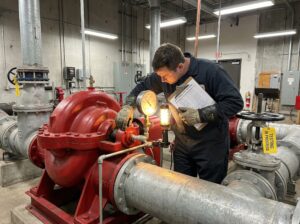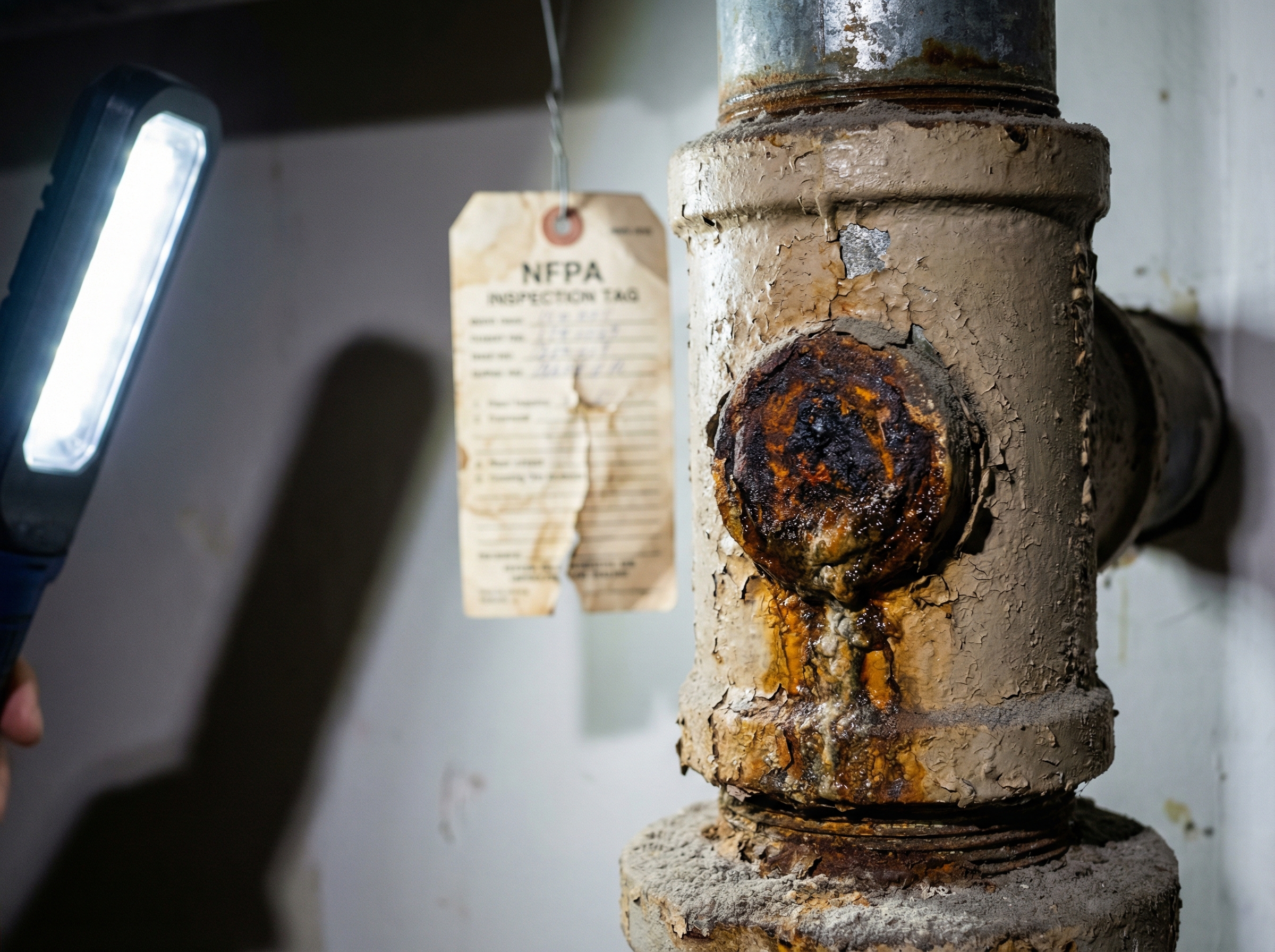
Opening with a question hook: If your fire alarm system starts nagging you with trouble signals, do you know what they truly mean and what to do next? For facility managers, building engineers, and safety directors, trouble signals are not just “noise” — they are your first alert that a component of the life-safety system is not performing as it should. Understanding trouble signals, their meanings, and how to respond can reduce downtime, preserve occupant safety, and keep your compliance posture intact.
—
Why trouble signals exist—and why they matter
A fire alarm system is a network of devices designed to detect fire conditions, alert occupants, and report status to a central control panel. Trouble signals are a separate signaling category from alarm and supervisory signals. They indicate faults, degradations, or communication issues within the system that could prevent the system from functioning correctly in an emergency. In practice, a “fire alarm trouble signal” means a fault somewhere in the system that needs attention, not an active fire event.
- The implications of a persistent trouble signal can be serious: if a detector is degraded or a communication line is down, the system may fail to deliver timely warnings, or the panel’s status information may be unreliable. This is why modern codes and standards emphasize rapid identification, clear device-level accountability, and timely remediation.
- Up-to-date standards increasingly require explicit device identification for trouble conditions, including wireless devices, so a technician can locate and rectify issues quickly. This is not merely a best practice; it’s becoming a compliance expectation in many jurisdictions.
- In addition to identifying the device, newer editions tighten how trouble signals are managed when silenced and require the system to re-signal the trouble at defined intervals. These changes are designed to ensure visibility and traceability—two critical elements in life-safety systems.
Key references and recent updates illuminate these shifts. For example:
- The 2025 NFPA 72 edition tightens trouble-signal handling by requiring explicit identification of affected devices (including wireless transmitters) and mandating that trouble signals re-sound at least every four hours when silenced. [Inside the 2025 Edition of NFPA 72, Part 5]
- The 2025 NFPA 72 revisions require a communication failure to trigger a trouble signal within 200 seconds and prevent non-fire-system data from interfering with fire alarm signaling. [Documentation revisions in the 2025 NFPA 72 code]
- NFPA 72 2025, released in fall 2024, introduces impairment notification requirements (the owner must be notified within 8 hours) and cybersecurity provisions affecting how trouble-related signals are managed. [NFPA 72 2025]
- For a broader view of how these changes align with the NFPA standards and practical implications, the NFPA maintains updates and guidance on NFPA 72 and its amendments. [NFPA 72 — National Fire Alarm and Signaling Code]
—
What a “trouble signal” is—and what it isn’t
Before diving into the list of common trouble signals, it helps to anchor our understanding with clear definitions:
- Fire alarm trouble signal: A fault in the fire alarm system that can affect reliability. It is not a fire alarm activation but indicates a condition that, if left unaddressed, could impair performance.
- Impairment vs trouble: Some facilities use “impairment” terminology to describe a temporary status where parts of the system are out of service or degraded. Impairment notifications are now emphasized in NFPA 72 2025 to ensure business owners are informed promptly.
- Supervisory signal: A separate category that reflects a condition of a monitored device (like a water-flow switch in a sprinkler system) that is not a fire alarm but does indicate a condition that requires attention. This is distinct from a general “trouble” signal.
- Silent vs audible: Trouble signals are usually conveyed on the panel and may be accompanied by audible beeps, LED indicators, and an on-screen message. Modern systems often provide device-level fault messages to simplify repair.
With that framework, we can translate “trouble signal meaning” into practical knowledge you can act on.
—
The anatomy of trouble signals in today’s systems
Trouble signals can originate from many sources. The most common categories include:
Power and energy supply faults
- Battery trouble (low or failing battery)
- Main power supply failure or abnormal input voltage
- Backup power (battery) condition during outages
Wiring and device faults
- Open circuit or short circuit in portions of the wiring
- Faulty detectors, modules, or annunciators
- Ground faults or wiring damage due to construction, moisture, or pests
Communication and data issues
- Trouble in the communication path to the central panel (wired or wireless)
- Network or data integrity problems that prevent proper signaling
- Impairment or tamper conditions affecting data reporting
Device-specific faults
- Faulty smoke or heat detectors
- Malfunctioning manual pull stations
- Tamper switches on devices or panels signaling irregularities
Security and cybersecurity considerations
- Unauthorized access or device tampering
- Network-based compromises that could affect signaling integrity
Each trouble condition is typically displayed on the fire alarm control panel with a device identification, a description, and sometimes a priority level. The 2025 updates push toward explicit identification of the affected devices, including wireless components, so technicians can pinpoint the fault quickly. A trouble signal may also trigger a specific audible or visual indicator to guide responders to the right location.
To support decision-making, here are two practical quick-start references:
- Table: Common trouble signals and immediate actions (quick-reference guide)
- Checklist: Pre-field readiness for trouble-signaled repairs (preparation steps)
—
Quick-reference: common trouble signals and immediate actions
| Trouble signal category | Likely cause | Immediate action (on-site) | Priority notes |
|---|---|---|---|
| Battery trouble (low, failing) | Battery near end of life; charger issues; long-term standby drain | Check battery state-of-charge; test with fresh battery; inspect charging circuit; verify temperature and wiring | High priority; batteries are critical for power during an outage |
| Main power failure or abnormal input | Loss of AC power; circuit breaker tripped; power supply fault | Restore power if safe; reset breakers; test backup supply; replace failing power supply if needed | High priority; uninterrupted power is essential for life-safety systems |
| Open or shorted circuit | Damaged cabling; conduit compromise; loose connectors | Trace wiring to device; inspect along the run; replace damaged cable or connectors | Medium to high; could cause multiple device faults |
| Faulty detector or device | Sensor aging, contamination, or mechanical fault | Replace device or recalibrate; clean detectors; verify mounting positioning | Medium; may require coordination with occupants if cross-sensitivity occurs |
| Communication failure (to panel) | Broken wire, network issue, radio interference, transmitter fault | Verify network segments; test communications path; reseat wireless transmitters; replace faulty module | High since signaling backlog or losses can compromise alarms |
| Tamper or link fault | Enclosure opened, tamper switch triggered; device removed | Close enclosure; reset tamper; verify device integrity | Medium; ensure tamper events are logged and resolved |
| Ground fault or noise on circuits | Moisture, water ingress, or electromagnetic interference | Inspect for moisture, seal enclosures, replace compromised cables | Medium; could indicate environmental risk or damage |
| System-wide impairment notification | Owner or system status indicating impairment; cybersecurity concerns in 2025 standards | Notify responsible personnel; verify access controls; address cyber-risk exposure | Medium to High depending on scope; see impairment notifications |
Bold takeaway: A trouble signal is a signal of vulnerability rather than an emergency itself, but it demands rapid triage to preserve overall life-safety performance. For perspective, remember that the 2025 NFPA 72 updates strengthen visibility and accountability for device-level faults. [NFPA 72 2025]
—
A practical, structured approach to triaging trouble signals
Dealing with trouble signals should follow a disciplined, repeatable process. The following phased approach mirrors typical field workflows and aligns with modern NFPA 72 expectations.
1) Immediate safety and scene assessment
- Confirm there is no active fire condition.
- If occupants report a fire-like condition, follow your emergency procedures.
2) Retrieve the exact trouble details from the control panel
- Identify the device name or ID, the type of fault, and whether the issue is intermittent or sustained.
- Note the timestamp of the trouble and whether it has been silenced or reset.
3) Prioritize by device criticality
- Prioritize devices critical to life-safety (egress, detection heads in egress routes, main annunciation devices).
- Less critical devices may be scheduled for service if immediate risk is low.
4) Verify communication and power paths
- Check power supply status and battery health.
- Confirm that communication lines to the panel are operational; verify if wireless devices are in range and properly paired.
5) On-site fault isolation and remediation
- Inspect the suspect device and surrounding wiring; address any environmental factors (moisture, heat, contamination).
- Replace or recalibrate faulty devices; reseat connectors; update firmware if applicable.
6) Re-test and re-signal
- After repairs, perform device-level testing and system-wide re-test to confirm that the trouble condition has cleared.
- Verify that the panel no longer indicates the fault and that any re-sounding rules (per NFPA 72 2025) have been observed.
7) Documentation and owner notification
- Update the log with fault description, actions taken, parts used, and technician notes.
- If the impairment notification rule applies, ensure the owner is informed within required timeframes (e.g., within 8 hours as per NFPA 72 2025).
8) Post-remediation verification
- Schedule a follow-up check and, if necessary, a periodic test to ensure the fault has not recurred.
- Confirm that the resilience of the system has been restored and that occupancy safety is uncompromised.
Pro tip: Keep a clear chain of custody for parts and devices, especially for critical life-safety components. The 2025 changes emphasize explicit device identification and targeted remediation, which makes traceability essential. [Documentation revisions in the 2025 NFPA 72 code]
—
Common mistakes and how to avoid them
Even well-run facilities can fall into traps when dealing with trouble signals. Here are frequent missteps and how to avoid them:
Treating trouble signals as low-priority maintenance rather than life-safety updates
- Make trouble signals a standing item in your facility’s safety program. Establish service SLAs for fault remediation.
Waiting for a “convenient” window to service devices
- Delays can turn a minor fault into a more serious issue. Create a proactive maintenance schedule that targets devices with repeated faults.
Failing to document device-level faults accurately
- Device IDs, fault codes, timestamps, and technician notes should be standardized and included in the facility’s asset management system.
Ignoring cybersecurity implications
- With NFPA 72 2025 introducing cybersecurity provisions affecting trouble-related signals, ensure that networked devices, wireless transmitters, and access controls are protected and logged.
Overlooking impairment notifications
- The owner must be notified within a defined window in impairment scenarios; ensure your procedures capture and communicate these triggers.
Underestimating the importance of wireless devices
- Wireless devices are explicitly identified in advanced NFPA 72 provisions; ensure you include wireless devices in fault mapping and remediation plans. [Inside the 2025 Edition of NFPA 72, Part 5]
—
A deeper dive: how the 2025 NFPA 72 changes reshape trouble-management
The 2025 edition of NFPA 72 expands and refines how trouble signals should be handled across life-safety systems. The main themes include explicit device identification, stricter timing for when failures are reported, and clearer delineation of data flows that can affect signaling. Specifically:
Explicit identification of affected devices (including wireless transmitters)
- This reduces the guesswork in field repairs and helps service teams locate the exact fault.
Re-sounding of trouble signals at least every four hours when silenced
- This ensures visibility and continued awareness of faults that require remediation.
A 200-second trigger window for communication failures
- If the system cannot communicate properly within 200 seconds, a trouble signal is generated, so responders don’t assume the system is healthy.
Prevention of non-fire-system data from interfering with fire signaling
- This reduces potential data-confusion from network events that could mislead responders or obscure fault details.
Impairment notification to the owner within 8 hours
- This helps facility stakeholders stay informed of conditions that affect life-safety performance.
Cybersecurity provisions governing trouble-related signals
- Emphasizing protection against tampering and ensuring data integrity across connected devices.
In practice, these changes mean your trouble signal management plan should incorporate device-level mapping, robust fault-tracking workflows, and clear owner communications. Practically, technicians will be able to identify, locate, and remediate faults with greater speed, reducing downtime and maximizing safety. For a concise summary and implications, see the 2025 NFPA 72 coverage here: [NFPA 72 2025] and the accompanying technical analyses: [Documentation revisions in the 2025 NFPA 72 code] and the implementation notes in [Inside the 2025 Edition of NFPA 72, Part 5].
Expert takeaway: The trend toward explicit device identification and aggressive re-signal rules means more precise fault diagnostics and more resilient fault remediation. Facilities should align their maintenance programs with these changes to ensure compliance and safety. [NFPA 72 2025]
—
A realistic, case-study style scenario
To illustrate how trouble signals unfold in the field, consider this anonymized scenario:
Scenario: A mid-size commercial office building experiences a persistent trouble signal on the main fire alarm panel. Occupants hear no alarms, but a panel message indicates “Trouble: Zone 5.” The facility manager initiates the standard triage procedure.
- Step 1: Verify there is no active fire. Central operations confirm there is no smoke or heat, and none of the detected zones show an active alarm.
- Step 2: Identify the device. The panel shows Zone 5 with a fault tied to a detector in a conference room on the 3rd floor. The technician notes the device ID and whether it’s a wired detector or wireless device.
- Step 3: Check the hardware. In the conference room, the detector is a modern multi-sensor unit with a tamper switch. The detector is mounted on a shared ceiling and is exposed to HVAC air currents.
- Step 4: Inspect for causes. The technician finds dust buildup and verifies the device’s sensitivity. A battery-backed power supply to that zone reveals stable voltage when tested, but a damp environment suggests moisture ingress.
- Step 5: Repair and test. The unit is cleaned, recalibrated, and reseated. The fault is cleared on the panel, and a test of the zone shows a healthy response. The panel logs the remediation with a time stamp.
- Step 6: Document and communicate. The fault, actions, and parts used are added to the building’s asset management system. The owner is notified of the fault resolution and that the zone is functioning properly.
- Step 7: Post-incident follow-up. A follow-up maintenance check is added to ensure that the problem does not recur in the same device environment.
This fictional but realistic scenario demonstrates the practical application of a rigorous troubleshooting process aligned with NFPA 72 2025 requirements. The explicit device identification, timely remediation, and documentation practices help ensure that the facility remains compliant and safe.
—
Preventive strategies: keeping trouble signals at bay
One of the most effective ways to minimize the impact of trouble signals is proactive maintenance. The following practices help ensure that faults are detected before they escalate:
Regular, scheduled inspections
- Conduct quarterly mini-inspections that focus on power supplies, batteries, wiring integrity, and device firmware. For large facilities, consider more frequent checks on critical zones.
Battery and power management
- Implement a battery replacement schedule aligned with the manufacturer’s recommendations. Maintain spare batteries on-site when possible.
Wiring integrity checks
- Inspect for moisture, corrosion, or mechanical damage to cabling. Protect wiring in high-risk areas (e.g., basements, mechanical rooms) to reduce the risk of faults.
Device calibration and testing
- Periodically calibrate detectors and verify their sensitivity settings to reduce nuisance faults. Ensure tamper switches and enclosures function properly.
Wireless device management
- Maintain device pairing, signal strength, and battery health for wireless transmitters. Wireless devices require special attention when it comes to explicit device identification.
Cybersecurity hygiene
- Follow best practices for securing networked life-safety devices, including strong access controls, firmware updates, and monitoring for anomalous activity on signaling paths.
Documentation discipline
- Maintain a robust fault log with device IDs, fault codes, timestamps, actions taken, and parts used. This is essential for NFPA 72 2025 compliance and for auditing purposes. [NFPA 72 2025]
—
The 48Fire Protection perspective: how we approach trouble signals
At 48Fire Protection, we treat fire alarm trouble signals not as mere interruptions but as critical indicators requiring precise, timely action. Our approach blends field-experience with code-compliant processes to deliver reliable, safer buildings.
Comprehensive system assessments
- We perform device-level mapping, terminal-by-terminal fault analysis, and a review of communications paths (wired and wireless) to identify root causes quickly.
Proactive maintenance programs
- We design preventive maintenance plans that align with NFPA 72 2025 changes, ensuring explicit device identification, robust testing, and timely remediation.
Fast, precise fault remediation
- Our technicians are trained to identify fault sources rapidly, replace or recalibrate devices, verify fault clearance, and document resumable systems.
Cybersecurity-aware practices
- We implement security controls for networked devices and ensure that fault reporting remains reliable even in complex IT environments.
Owner-communication protocols
- We support impairment notifications within required timeframes and maintain clear, auditable logs for compliance and insurance purposes.
Documentation and compliance support
- We provide detailed service reports that capture fault codes, device IDs, corrective actions, and test results to satisfy NFPA 72 2025 requirements and internal safety standards.
Collaborative process
- We partner with building owners, facilities teams, and property managers to design fault-management workflows, train staff, and establish escalation procedures.
Case-ready service experience
- Our technicians come prepared with common spare parts and knowledge of the most frequently encountering trouble signals, enabling faster resolution and less downtime.
Why choose 48Fire Protection?
- We bring field-tested experience, a deep understanding of NFPA 72 2025 changes, and a commitment to proactive safety. If you want a preventative-focused partner to keep trouble signals in check, we’re ready to help.
Section takeaway: Trouble signals aren’t obstacles to safety; they’re signals that your team should act on promptly. A disciplined, standards-aligned approach minimizes downtime and keeps occupants safe. If you’d like to discuss how to implement or upgrade a trouble-signal management program, our team can help you design a plan that aligns with NFPA 72 2025 guidelines and your facility’s unique needs.
- Learn more about NFPA 72 2025 guidance and implications: [NFPA 72 2025] and [Documentation revisions in the 2025 NFPA 72 code]
—
Section: 48Fire Protection services that map to trouble signals
In addition to responding to trouble signals, 48Fire Protection offers a comprehensive suite of services designed to strengthen your life-safety signaling ecosystem, from design through ongoing maintenance. This section outlines the core offerings most relevant to trouble-signal management and compliance.
Design and optimization of fire alarm systems
- We help you size, route, and configure devices to minimize fault sources and maximize detection performance.
Inspection, testing, and maintenance (ITM)
- Regular ITM services that align with NFPA 72, including battery testing, device calibration, and fault-trace documentation.
Trouble-signature mapping and device-level identification
- A systematic approach to mapping every device to its fault-signaling path, ensuring rapid repair and traceability.
Wireless device integration and validation
- Wireless components are identified, tested, and calibrated with the same rigor as wired devices, ensuring accurate fault reporting.
Cybersecurity for life-safety networks
- We assess cybersecurity risk, implement safeguards for signaling paths, and help ensure compliance with 2025 cybersecurity provisions.
Impairment notification planning
- We design communications workflows that ensure owners are notified within required windows when impairments arise.
Training and knowledge-transfer
- On-site and remote training for facilities teams on trouble-signal triage, digital logs, and NFPA 72 2025-compliant operations.
Documentation excellence
- Detailed service reports with device IDs, fault codes, remediation actions, and test results to support audits and insurance requirements.
Emergency response coordination
- In the event of incidents or faults, we coordinate with local authorities, building management, and tenants to minimize disruption and maintain safety.
If you want to improve your trouble-signal management program, talk to our team about a tailored plan that captures your facility’s devices, zones, and signaling paths, and aligns with the latest NFPA 72 guidance. [NFPA 72 2025]
—
Quick-start checklist for facility managers
Use this practical checklist to kick off a trouble-signal management program or to audit an existing one. Mark items as you complete them.
- [ ] Inventory all devices (wired and wireless) with device IDs and locations.
- [ ] Document fault history by device, fault type, and remediation actions.
- [ ] Verify power supplies and battery health for all panels and critical zones.
- [ ] Map all communications paths (wired and wireless) and test for reliability.
- [ ] Schedule quarterly device calibration and sensor tests.
- [ ] Establish impairment notification procedures with defined owner-contact timelines.
- [ ] Review cybersecurity controls for all signaling devices and networks.
- [ ] Train facilities staff on trouble-signaling triage and escalation procedures.
- [ ] Implement a policy for re-signal timing (every four hours or as required).
- [ ] Schedule follow-up checks after fault remediation to confirm stability.
Quick pro tip: In the 2025 NFPA 72 environment, explicit device identification dramatically improves fault resolution. Ensure your asset registry includes every device, transmitter, and module that could generate a trouble signal. [Documentation revisions in the 2025 NFPA 72 code]
—
Formatting and compliance reminders
- Use of bold labels to emphasize key points: The trouble signal is a fault that must be repaired promptly to preserve life-safety performance.
- Tables and checklists help with quick-reference and action steps.
- Block quotes can be used to highlight NFPA 72 2025 guidance or best practices. For example:
- “Explicit identification of affected devices, including wireless transmitters, improves fault localization and reduces remediation time.” [NFPA 72 2025]
- Horizontal rules help denote major section changes, ensuring readability across long-form content.
- Use of citations: We’ve integrated key references to NFPA 72 2025-related material and industry analyses to anchor the content in credible sources.
Citations used in this article:
- [Inside the 2025 Edition of NFPA 72, Part 5]
- [Documentation revisions in the 2025 NFPA 72 code]
- [NFPA 72 2025]
- [NFPA 72 — National Fire Alarm and Signaling Code]
—
Closing thoughts
Trouble signals play a critical role in the safety and reliability of fire alarm systems. They signal faults that require timely, precise, and well-documented action. The 2025 NFPA 72 updates push the industry toward more transparent device-level fault reporting, tighter controls, and clearer owner communications. By adopting a structured troubleshooting framework, investing in preventive maintenance, and leveraging specialized partners like 48Fire Protection, facilities can reduce downtime, improve safety, and meet evolving compliance requirements.
If you’d like expert help implementing a robust trouble-signal management program or you want to assess your current system against NFPA 72 2025 provisions, our team is ready to assist. Together, we can tailor a plan that fits your building type, occupancy, and risk profile—so you can keep every fire alarm signal meaningful, timely, and compliant.
- For direct assistance or to discuss a tailored plan, contact us: [Contact 48Fire Protection]