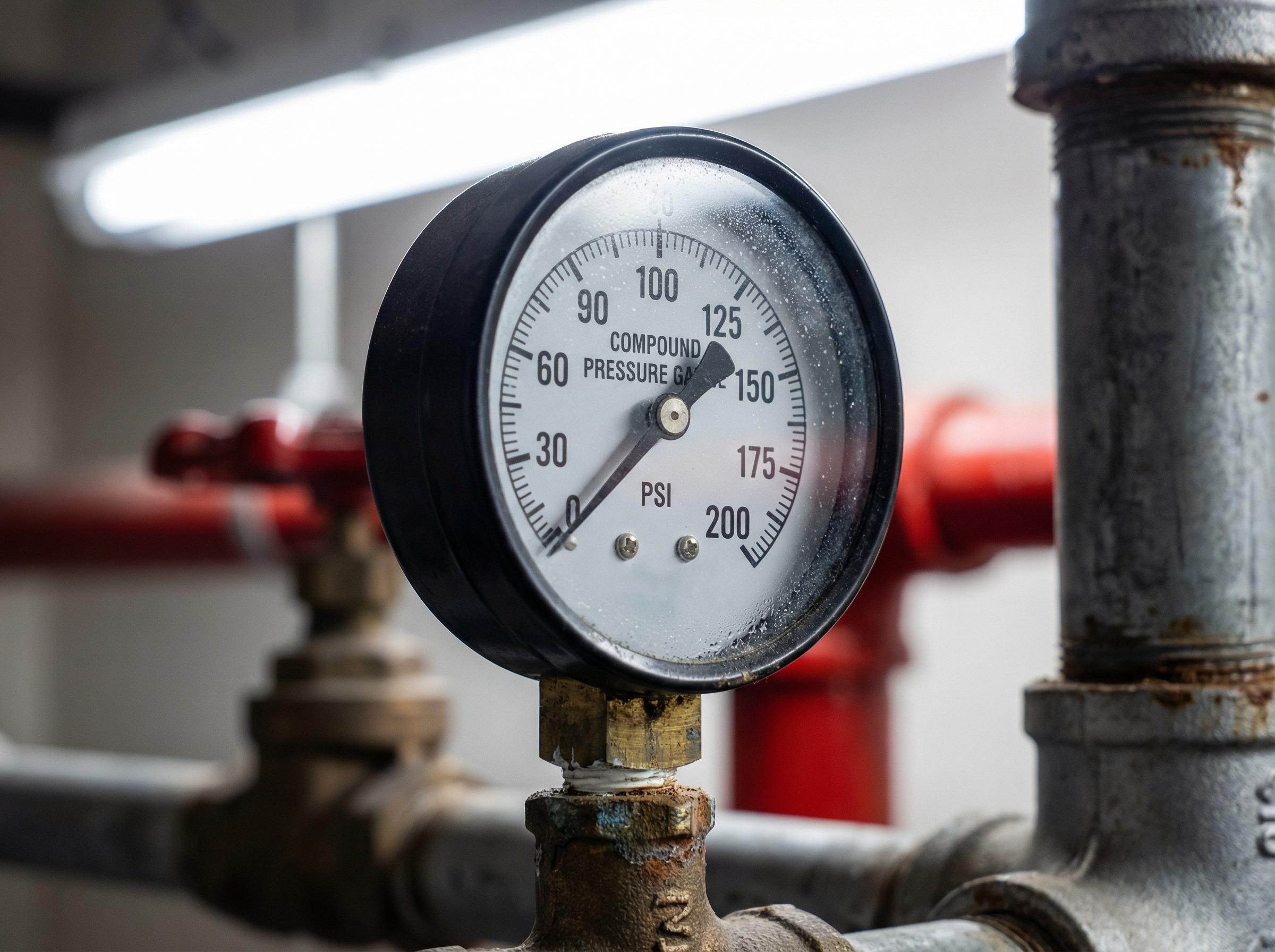
Opening Question: How can you be confident a fire alarm system not only works mechanically but meets the exacting standards of safety, reliability, and cybersecurity that today’s codes demand? The answer lies in a rigorous Fire Alarm Acceptance Testing process that aligns with NFPA 72, addresses interface challenges, and captures every failure mode before occupancy.
—
Table of Contents
- [What is Fire Alarm Acceptance Testing, and why it matters](#what-is-fire-alarm-acceptance-testing-and-why-it-matters)
- [NFPA 72: The backbone of acceptance testing (2025 edition and beyond)](#nfpa-72-the-backbone-of-acceptance-testing-2025-edition-and-beyond)
- [Pre-test planning and documentation](#pre-test-planning-and-documentation)
- [The testing lifecycle: phases, tests, and deliverables](#the-testing-lifecycle-phases-tests-and-deliverables)
- [Interfacing with other systems and RAMO](#interfacing-with-other-systems-and-ramo)
- [Cybersecurity, comms, and other risk controls](#cybersecurity-comms-and-other-risk-controls)
- [Test scenarios and sample test cases](#test-scenarios-and-sample-test-cases)
- [Common pitfalls and best practices](#common-pitfalls-and-best-practices)
- [Documentation, sign-off, and punch lists](#documentation-sign-off-and-punch-lists)
- [Regulatory landscape: CA adoption and the NFPA 72-2025 timeline](#regulatory-landscape-ca-adoption-and-the-nfpa-72-2025-timeline)
- [What to expect as a facility manager](#what-to-expect-as-a-facility-manager)
- [48Fire Protection: how we approach Fire Alarm Acceptance Testing](#48fire-protection-how-we-approach-fire-alarm-acceptance-testing)
- [Closing thoughts](#closing-thoughts)
- [Citations and further reading](#citations-and-further-reading)
- [Contact 48Fire Protection](/contact-us)
—
What is Fire Alarm Acceptance Testing, and why it matters
Acceptance testing is the formal evaluation that a Fire Alarm System (FAS) meets the project’s design intent, contract requirements, and applicable codes before it is accepted by the owner and handed over to operations. It goes beyond “can the panel turn on?” to verify:
- The system reliably detects conditions and initiates correct responses.
- All interfaces (with elevators, HVAC, access control, mass notification, etc.) function as intended without creating unsafe states.
- Communication pathways, annunciation, and remote signaling respond correctly to simulated events.
- The cybersecurity controls around the system resist tampering and unauthorized access.
- Documentation, commissioning seals, and operational manuals are complete and usable by staff.
Why it matters:
- It reduces surprise failures after turnover when real-world conditions, coordinating systems, or battery health come into play.
- It aligns project outcomes with NFPA 72, insurance expectations, and owner operational needs.
- It provides a defensible record for code compliance, system warranty claims, and future upgrades.
Key point: Acceptance testing is the bridge between “the system works in the factory or test bay” and “the system performs in the field under real conditions.”
Supporting context from industry updates shows that the 2025 NFPA 72 edition introduces significant changes impacting acceptance/testing practices, especially around cybersecurity requirements, RAMO, and interfaces with other systems. These developments are shaping how modern acceptance tests are planned and executed [Fireside Chat: Inside the Updated National Fire Alarm & Signaling Code (NFPA 72)]. The same article highlights RAMO concepts and expanded rules for system interfaces that merit close attention during testing. Read more about these shifts and how they influence testing expectations in the 2025 edition.
For credentialing and knowledge alignment with NFPA 72 revisions, NICET’s 2024 update of Fire Alarm Systems exams mirrors NFPA 72-2022, reinforcing the expectation that professionals pursuing acceptance testing competencies stay current with the revision cycle [New Fire Alarm Systems Exams]. The broader industry is navigating a three-year revision cadence, which means test plans and acceptance criteria should reflect the latest standard language and test procedures.
California’s adoption timeline further illustrates how jurisdictions are translating NFPA 72 changes into local practice, with NFPA 72-2025 slated to take effect in 2026 and bringing cybersecurity and interface considerations to the forefront [NFPA 72-2025 Significant Changes – Effective in CA on January 1st, 2026]. Keeping track of these timelines helps project teams schedule testing activities to avoid delays.
- Additional reference: For a direct view of NFPA 72 structure and requirements, the NFPA maintains a detailed overview of the code and its chapters, including Chapter 11 (Interfaces and Interconnections) and cybersecurity considerations in newer editions: [NFPA 72 – National Fire Alarm and Signaling Code].
—
NFPA 72: The backbone of acceptance testing (2025 edition and beyond)
NFPA 72 is the cornerstone standard governing fire alarm systems in the United States. It defines the performance criteria, design intent, installation, testing, and maintenance requirements for fire alarm systems, including detection, notification, and signaling.
Key 2025 edition themes affecting acceptance testing:
- Cybersecurity requirements for fire alarm systems, affecting configuration security, access controls, and protection against tampering.
- RAMO (Restricted Audible Mode Operation) concepts that limit or alter audible signaling under non-emergency conditions and during certain testing scenarios.
- Expanded acceptance/testing criteria for interfaces with other building systems (e.g., BMS, life safety systems, elevator control, and mass notification systems), including more robust test documentation and cross-system verification.
- Revised testing procedures for new technologies, such as addressable devices, networked communications, and remote signaling paths.
What this means in practice:
- Acceptance tests must verify not only the standalone operation of detectors, alarms, and initiators but also the integrity of interlocks and cross-system operations.
- Documentation must demonstrate cybersecurity controls, including password protection, firmware version integrity, and change management trails.
- Test plans should explicitly address RAMO conditions and how Audible Silence, Temporary Silence, or restricted signaling states are managed and restored.
Citations and guidance from industry updates underscore how these changes influence testing strategies and expectations in the field:
- The NFPA 72 2025 evolution emphasizes cybersecurity and RAMO, with expanded interface testing rules [Fireside Chat: Inside the Updated National Fire Alarm & Signaling Code (NFPA 72)].
- California and other jurisdictions adopting NFPA 72-2025 will require alignment with the updated interface and cybersecurity requirements as of 2026 [NFPA 72-2025 Significant Changes – Effective in CA on January 1st, 2026].
- NICET’s updates confirm the industry’s push to keep certification in step with NFPA revisions, reinforcing the importance of updated acceptance-testing knowledge in exams and practice [New Fire Alarm Systems Exams]
—
Pre-test planning and documentation
Effective acceptance testing begins long before the first device is tested. The pre-test phase sets the stage for an efficient, thorough, and defensible test.
1) Define acceptance criteria
- Use the project’s design documents, applicable NFPA 72 references, and owner requirements to establish measurable acceptance criteria.
- Define success thresholds for all system elements: detection, notification, interlocks, power supply, supervision, interface communications, and cybersecurity controls.
2) Compile and verify documents
- As-built drawings and system wiring diagrams
- System design specifications and equipment data sheets
- Trap-list of devices, addresses, zones, and signal types
- Operation and maintenance manual (O&M)
- Test plans, procedures, and sequence of operations (SOO)
- Manufacturer warranty and system commissioning reports
- Any owner-specific safety procedures for testing (e.g., high-rise elevator operations, lockdown modes)
3) Establish test tools and access
- Testing equipment (multi-munction testers, fire alarm simulators, and annunciation simulators)
- Test data sheets and real-time data capture capabilities
- Access controls for cybersecurity validation (firmware versions, password management, secure channels)
4) Risk assessment and scheduling
- Identify high-risk test activities (e.g., simulated smoke conditions, elevator interlocks, mass notification with occupants)
- Schedule non-disruptive windows for testing; coordinate with operations and security
- Prepare emergency shutdown and isolation procedures so testing cannot create unsafe states
Checklist: Pre-test readiness
- [ ] Design documents verified against site conditions
- [ ] Equipment inventories matched to the firmware and addresses in the plan
- [ ] Test plan includes RAMO scenarios and cross-system tests
- [ ] Cybersecurity controls and passwords documented and secured
- [ ] Owner-approved test schedule and safety procedures
5) Stakeholder alignment
- Confirm roles: a project manager, testing technician, system integrator, and client representative
- Establish a communication plan for test findings, punch lists, and retest requirements
- Confirm acceptance criteria with the owner’s representative and code-compliance authorities (as needed)
—
The testing lifecycle: phases, tests, and deliverables
The acceptance testing lifecycle is typically organized into phases, each with specific tests and deliverables. Below is a practical, real-world framework that aligns with NFPA 72 expectations and contemporary industry practice.
Phase 1: System readiness and integration verification
- Objective: Confirm that equipment is correctly installed, wired, programmed, and physically present in the right locations.
- Tests:
- Device presence verification (zones, devices, addresses)
- Power and standby battery verification
- Supervisory circuits and fault indications
- Interface communication tests with adjacent systems (where applicable)
- Deliverables:
- Equipment inventory and wiring table
- Preliminary acceptance checklist
Phase 2: Functional testing of detection and initiation
- Objective: Validate that detectors, call points, initiators, and notification devices perform per design.
- Tests:
- Detection testing (hopper smoke, photoelectric, heat sensors) per sensitivity ranges
- Initiation tests (manual call points, smart initiators)
- Alarm and supervisory signals to the fire alarm control panel (FACP) and related devices
- Fault and nuisance alarm checks
- Deliverables:
- Functional test report with pass/fail per device and per zone
- Environmental and sensitivity notes
Phase 3: Notification testing and mass notification integration
- Objective: Ensure annunciation, alarm notification appliances, strobe sequences, and evacuation paths function as intended.
- Tests:
- Local audible/visual notification sequence
- Central monitoring station signaling (if applicable)
- Coordination with an egress plan and occupant notification system
- Verify RAMO behavior and restricted audible signaling under defined conditions
- Deliverables:
- Notification test results with schedule of operations
- Documentation of any temporary signage or egress changes required during testing
Phase 4: Interfaces with other systems
- Objective: Verify that the FACP communicates correctly with building automation, elevators, HVAC, security, and life safety interfaces.
- Tests:
- Interlocks with elevators (elevator recall and fire service mode)
- Interfacing with building management systems (BMS) for status signals and event logs
- Interactions with mass notification or public address systems
- Data integrity and event logging across interfaces
- Deliverables:
- Interface test reports
- Cross-system event correlation logs
Phase 5: RAMO and cybersecurity testing
- Objective: Validate restricted audible mode operations and cybersecurity controls.
- Tests:
- RAMO scenario validation: define when and how audible signals are restricted or altered
- Password and access controls: verify user authentication, role-based access, and firmware integrity
- Network security: verify secure communications, encryption where applicable, and log integrity
- Deliverables:
- RAMO test results
- Cybersecurity validation report
Phase 6: Final sign-off and punch list
- Objective: Address all deficiencies, perform retests, and obtain formal owner acceptance.
- Tests:
- Re-test of all previously failed items
- Final walkthrough
- Deliverables:
- Final acceptance certificate
- Comprehensive punch list with closure dates and responsible parties
—
Interfacing with other systems and RAMO
In modern facilities, a fire alarm system rarely operates in isolation. Interfacing with other systems creates powerful safety synergies but also potential failure points if not managed carefully.
Interfaces to plan for
- Building Management System (BMS) or BAS: status signals, event logs, remote monitoring, integration with other life safety subsystems.
- Elevator controls: enter fire service mode, recall logic, and inertial safety considerations during alarm conditions.
- Mass notification and public address: ensure proper sequencing and that alarms do not conflict with occupant guidance.
- Access control: ensure door releases and egress are synchronized with fire alarm events when appropriate.
RAMO (Restricted Audible Mode Operation)
RAMO is a concept that restricts or alters audible signaling under certain conditions. Acceptance testing must demonstrate:
- Under RAMO conditions, critical signaling (manual call points, system fault indicators) remains functional for safety oversight.
- Audible devices behave predictably according to defined restrictions, with clear documentation for staff.
- Reversion to normal audible operation after RAMO conditions are cleared.
Industry discussion highlights RAMO and expanded interface testing as key 2025 NFPA 72 changes that affect acceptance testing and field practices [Fireside Chat: Inside the Updated National Fire Alarm & Signaling Code (NFPA 72)].
—
Cybersecurity, comms, and other risk controls
The modern fire alarm environment depends on reliable, secure communications. The 2025 NFPA 72 revision actively elevates cybersecurity considerations, with requirements spanning from device firmware integrity to secure network configurations and change management.
What to verify in testing:
- Firmware versions are current and authorized; tamper-evident seals are intact or updated as required.
- Passwords and access controls align with owner policies; role-based access is enforced for configuration changes.
- Network communications are encrypted if applicable, with secure channels for remote signaling.
- Event logs are protected from tampering and can be audited.
- For an overarching perspective on these shifts, see the Fireside Chat on NFPA 72 (2025) changes, including cybersecurity and RAMO, and the broader implications for acceptance testing [Fireside Chat: Inside the Updated National Fire Alarm & Signaling Code (NFPA 72)].
NICET’s exam updates also reflect this emphasis on current standards and acceptance testing knowledge [New Fire Alarm Systems Exams].
California’s adoption timeline demonstrates the practical effect of these changes in the field, with NFPA 72-2025 changes taking effect in 2026 (CA references NFPA 72-2022 until then, underscoring the lag between standard publication and local adoption) [NFPA 72-2025 Significant Changes – Effective in CA on January 1st, 2026].
—
Test scenarios and sample test cases
A robust acceptance test program uses concrete test cases that map to the project’s design intent. Below are representative test categories and example test cases you can adapt to your project.
Detection and initiation tests
- Confirm that each detector type (ionization, photoelectric, heat devices) responds within specified response times when exposed to calibrated stimuli.
- Validate initiation devices (manual pull stations, remote annunciators) register correctly at the FACP and trigger correct signaling paths.
- Verify nuisance alarm immunity is within tolerance to avoid false activations in smoke-rich or dusty environments.
Alarm notification and occupant guidance
- Test local audible and visible signaling across zones, ensuring sequences follow the design plan.
- Confirm coordination with any mass notification system, ensuring messages and audio volumes are appropriate for the occupancy and use-case.
- Validate the RAMO behavior under restricted signaling conditions and verify how occupants are guided during test scenarios.
Supervisory and fault tests
- Verify supervisory circuits (e.g., waterflow, tamper, power loss) trigger appropriate supervisory or fault conditions at the FACP.
- Confirm that battery standby capacity meets required durations and that fault indicators do not mask critical conditions.
Interface and integration tests
- Validate correct signaling to BMS or BAS, including status reporting and event logging accuracy.
- Test elevator recall logic and interlocks with fire service operations.
- Test interlock with door hardware and access control where applicable.
Cybersecurity tests
- Validate access privileges and authentication controls for configuration changes.
- Verify firmware integrity checks and protected update processes.
- Confirm secure communication paths and tamper resistance for critical signals.
—
Common pitfalls and best practices
To avoid costly retests and punch-list iterations, beware common pitfalls and apply best practices during planning and execution.
Common pitfalls
- Incomplete documentation: Missing device lists, addresses, or sequence of operations leads to ambiguous acceptance criteria.
- Underestimating RAMO and inter-system tests: Interfaces with BMS, elevators, or mass notification are often overlooked or inadequately tested.
- Inadequate cybersecurity validation: Failing to validate password controls and firmware integrity can create hidden vulnerabilities.
- Poor scheduling and stakeholder alignment: Testing disruptions can occur if operations teams are not properly informed or if the test window is too tight.
- Verification gaps: Relying on “works in the lab” assertions without field verification reduces the likelihood of catching field issues.
Best practices (pro tips)
- Build the plan around NFPA 72 clauses relevant to your system and update it to reflect 2025 changes, including RAMO and cybersecurity considerations.
- Use a dedicated acceptance testing template with clearly defined acceptance criteria and pass/fail thresholds for each device and interface.
- Involve operations staff early: train them on RAMO procedures and post-acceptance procedures to ensure seamless ongoing operations.
- Document testing thoroughly: attach test data sheets, logs, video evidence (where appropriate), and timestamped results.
- Schedule retests promptly: reserve contingency windows for retests and avoid leaving critical items unresolved.
Supporting context: 2025 NFPA 72 changes emphasize system interfaces and cybersecurity, so ensure your testing plan explicitly covers these domains and that the documentation reflects updated requirements [Fireside Chat… NFPA 72].
NICET’s exam updates reinforce the need for current knowledge in acceptance testing, linking certification to NFPA 72 revisions [New Fire Alarm Systems Exams].
California’s adoption timeline highlights how local jurisdictions implement NFPA changes, which can influence acceptance testing practices and timelines [NFPA 72-2025 Significant Changes – Effective in CA on January 1st, 2026].
—
Documentation, sign-off, and punch lists
The closeout phase is where all the planning, testing, and coordination translate into official records and ownership handover.
Key deliverables
- Final acceptance certificate: a formal document indicating compliance with the project requirements and NFPA 72 criteria.
- Complete test reports by phase: detection, initiation, notification, interfaces, RAMO, cybersecurity.
- Punch list with clear closures: each item has a responsible party, a corrective action, and a due date.
- As-built updates: ensure drawings and device lists reflect the actual installed configuration.
- O&M manuals and training materials: ensure facility staff have the guidance needed to operate and maintain the system.
Sign-off process
- Owner or owner’s representative review: confirm that acceptance criteria are met and that documentation is complete.
- Code authority validation if required: some jurisdictions require verification by AHJs (authority having jurisdiction).
- Final retention and archiving: secure storage of test data and configuration baselines for future audits or maintenance.
—
Regulatory landscape: CA adoption and the NFPA 72-2025 timeline
Understanding regional adoption timelines helps project managers plan acceptance activities without compromising code compliance.
- NFPA 72-2025 was published in late 2024, but some jurisdictions (such as California) implement the changes on a later date. For California, changes affecting how fire alarm interfaces and cybersecurity are treated become effective January 1, 2026. This timeline emphasizes the need to plan testing practices that align with the most current local code references when signing off on systems [NFPA 72-2025 Significant Changes – Effective in CA on January 1st, 2026].
- NICET’s 2024 update confirms that certification content tracks NFPA 72-2022 and its successor revisions, underscoring the industry expectation that acceptance testing knowledge remains current with NFPA 72 revisions [New Fire Alarm Systems Exams].
- For a broader view of the NFPA 72 framework and its ongoing evolution, the NFPA maintains authoritative resources on the code and relevant chapters, including chapters addressing interfaces and testing procedures [NFPA 72 – National Fire Alarm and Signaling Code].
—
What to expect as a facility manager
If you manage a facility that is undergoing Fire Alarm Acceptance Testing, here are practical expectations and actions to prepare for a smooth process.
- Expect a formal test plan that maps directly to design documents, NFPA references, and your facility’s operational needs.
- Request a detailed crosswalk of devices, zones, addresses, and interfaces to ensure every element is accounted for in the test.
- Be prepared for RAMO and cybersecurity testing as standard parts of the acceptance process, not exceptions.
- Plan for potential retests and build in buffer time to accommodate any corrective actions identified during the punch list.
- Ensure your staff is trained on the new system operation and that you have access to the full documentation package for ongoing maintenance and audits.
Industry updates emphasize the evolving nature of acceptance testing and the increasing emphasis on cross-system interfaces and cybersecurity. Staying current with NFPA 72 changes and applicable local amendments is essential for a successful acceptance testing phase.
—
48Fire Protection: how we approach Fire Alarm Acceptance Testing
Near the end of the process, you want a partner who not only tests but also explains, documents, and supports your team through turnover. Here’s how 48Fire Protection approaches Fire Alarm Acceptance Testing.
Our philosophy
- We treat acceptance testing as a collaborative process that aligns with NFPA 72 and the project’s design intent.
- We emphasize clear documentation, transparent test procedures, and actionable punch lists.
- We integrate cybersecurity considerations and RAMO testing into every project from the planning stage onward.
Our practical approach
- Pre-test readiness review: confirm design intent, acceptance criteria, and interface requirements before any testing begins.
- Phase-aligned testing with traceable documentation: device-level tests feed into zone-level and system-level results, all clearly documented.
- Cross-system validation: verify that interfaces with BMS, elevators, and mass notification operate harmoniously under test conditions.
- RAMO and cybersecurity: explicit RAMO testing and cybersecurity validation are included in the test plan and sign-off package.
- Owner training and sign-off: provide hands-on training for facilities staff and deliver a complete O&M package.
Services we provide (relevant to Fire Alarm Acceptance Testing)
- Fire Alarm System Testing and Acceptance Testing planning
- Commissioning and FAT/SAT support
- Interface testing with building automation, access control, and mass notification
- RAMO scenario development and testing
- Cybersecurity assessment and configuration review
- NICET-aligned documentation, test reports, and sign-off packages
- Optional ongoing maintenance and re-testing services to support future NFPA revisions
One of the core reasons clients choose 48Fire Protection is our emphasis on clarity and defensible documentation. We provide owners with a clean, auditable path from design intent through final acceptance, backed by industry-standard practices and updated knowledge from NFPA 72 revisions, NICET-aligned competency, and real-world field experience.
Citations that inform our approach and the evolving testing landscape include:
- Industry insight on the 2025 NFPA 72 changes, including RAMO and cybersecurity implications [Fireside Chat: Inside the Updated National Fire Alarm & Signaling Code (NFPA 72)].
- NICET’s update confirming alignment with NFPA 72 revisions for certification and testing knowledge [New Fire Alarm Systems Exams].
- California’s adoption timeline for NFPA 72-2025 changes, highlighting interface and cybersecurity changes effective in 2026 [NFPA 72-2025 Significant Changes – Effective in CA on January 1st, 2026].
- NFPA’s general framing of NFPA 72 and the code’s emphasis on testable expectations for fire alarm systems [NFPA 72 – National Fire Alarm and Signaling Code].
—
Closing thoughts
Acceptance testing is not a checkbox activity; it is a disciplined, risk-aware process that cements safety, reliability, and compliance. The NFPA 72 landscape continues to evolve, with 2025 editions bringing crucial changes in cybersecurity, RAMO, and cross-system interfaces. By embracing a structured testing lifecycle, rigorous documentation, and expert guidance from experienced partners like 48Fire Protection, facility teams can achieve a defensible, enduring safety posture that stands up to audits, insurance reviews, and real-world emergency conditions.
—
Citations and further reading
- Fireside Chat: Inside the Updated National Fire Alarm & Signaling Code (NFPA 72)[https://www.securitysales.com/news/fireside-chat-nfpa-72-national-fire-alarm-signaling-code-2025/164777/]
- NICET News – New Fire Alarm Systems Exams
[https://www.nicet.org/about-us/nicet-news/nicet-newsletter/winter-2023/new-fire-alarm-systems-exams/]
- NFPA 72-2025 Significant Changes – California adoption
[https://www.cafaa.com/event-6073817]
- NFPA – National Fire Alarm and Signaling Code
[https://www.nfpa.org/codes-and-standards/list-of-codes-and-standards/detail?code=72]
—