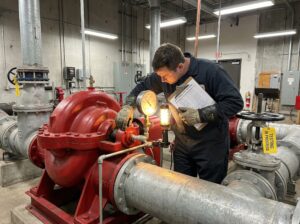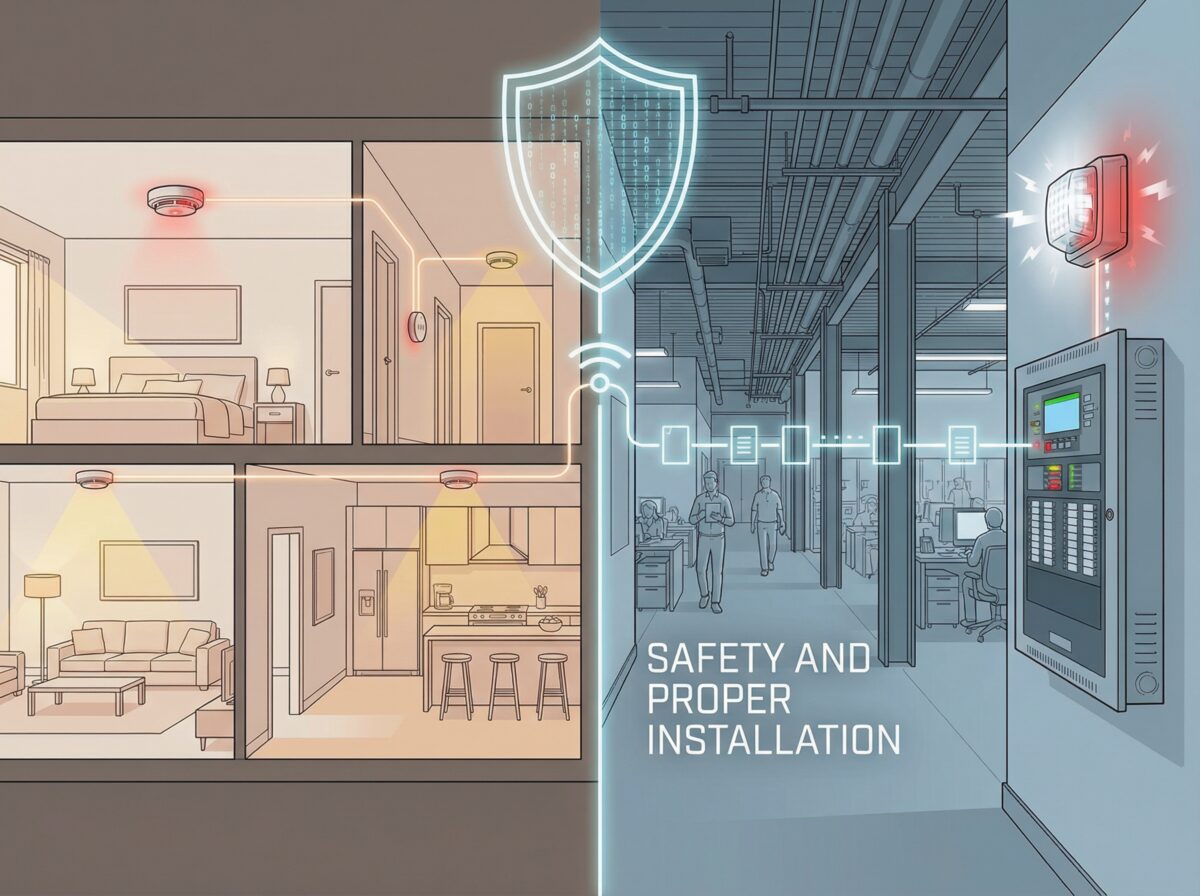
Fire alarm installation represents one of the most critical safety investments property owners can make. Whether you’re a homeowner protecting your family or a facility manager safeguarding employees and assets, proper fire alarm installation can mean the difference between early detection and catastrophic loss. Yet many property owners approach installation as a simple DIY project or cost-saving opportunity, overlooking the complex requirements that ensure these systems function effectively when needed most.
This comprehensive guide explores fire alarm installation best practices for both residential and commercial properties, helping you understand the planning, execution, and verification processes that create reliable fire protection.
Understanding Fire Alarm System Components
Before diving into installation practices, it’s essential to understand what comprises a complete fire alarm system.
Detection Devices
Modern fire alarm systems incorporate multiple detection technologies, each serving specific purposes. Smoke detectors use ionization or photoelectric sensors to identify combustion particles, with photoelectric models generally more effective for smoldering fires and ionization detectors better at catching fast-flaming fires. Heat detectors trigger when temperatures reach predetermined thresholds, making them ideal for areas where smoke detectors would generate false alarms, such as kitchens or dusty environments.
For commercial facilities, beam detectors project infrared light across large open spaces, identifying smoke when it interrupts the beam. Flame detectors use optical sensors to identify the specific light wavelengths produced by fires, responding within milliseconds in high-hazard environments. Air sampling systems continuously draw air through pipes to detection units that can identify smoke particles at incipient stages, providing the earliest possible warning.
Notification Devices
Notification devices alert occupants to evacuate when the system detects fire. Horn/strobe combinations provide both audible and visual warnings, essential for accessibility compliance and ensuring alerts reach people regardless of hearing ability or environmental noise levels. Voice evacuation systems deliver clear spoken messages, reducing panic and providing specific instructions during emergencies.
Modern systems increasingly incorporate visual notification appliances throughout facilities, with synchronized strobes meeting specific candela requirements based on room size and ambient light conditions. These devices must achieve minimum sound levels of 15 decibels above ambient noise or 5 decibels above maximum sound levels lasting more than 60 seconds.
Control Panels and Power Supplies
The control panel serves as the system’s brain, receiving signals from detection devices, processing alarm conditions, and activating notification devices. Commercial systems use addressable panels that identify the specific device triggering an alarm, enabling faster emergency response. Conventional panels monitor detection zones but cannot pinpoint individual devices.
Backup power supplies maintain system operation during outages, typically using batteries capable of running the system for 24 hours in supervisory mode plus 5 minutes of alarm. Commercial facilities may incorporate generators or extended battery systems to ensure even longer operational periods during emergencies.
Residential Fire Alarm Installation Best Practices
Homeowners face different installation considerations than commercial facilities, though both require thoughtful planning and execution.
Planning Your Home System
Start by creating a comprehensive plan that identifies every location requiring detection coverage. National Fire Protection Association (NFPA) standards require smoke alarms in every bedroom, outside each sleeping area, and on every level of the home including basements. Homes with multiple stories need interconnected alarms so activation of one triggers all devices simultaneously.
Consider your home’s layout carefully when planning detector placement. Open floor plans may require additional devices to ensure adequate coverage, while homes with vaulted ceilings need specialized placement to account for heat stratification patterns. Identify areas where specific detector types work best—photoelectric smoke detectors near kitchens to minimize cooking-related false alarms, heat detectors in garages and attics where temperature fluctuations and dust make smoke detectors problematic.
Proper Placement Techniques
Installation location dramatically affects detector performance. Mount ceiling detectors at least four inches from walls, as dead air spaces near wall-ceiling junctions can delay smoke detection. Wall-mounted detectors should install four to twelve inches below the ceiling, never near corners or in dead air spaces.
Keep detectors away from air supply vents, which can blow smoke away from sensors and delay activation. Maintain minimum distances from fluorescent lights (at least three feet) to avoid electrical interference. Install devices at least three feet from bathroom or kitchen doors to prevent steam-related false alarms while maintaining adequate coverage.
For rooms with ceiling fans, install detectors on the ceiling at least three feet from fan blades. In hallways longer than forty feet, install detectors at both ends rather than only at the midpoint to ensure adequate response time regardless of fire location.
Interconnection Methods
Modern residential installations should incorporate interconnected alarms that simultaneously activate throughout the home when any single device detects fire. Hardwired interconnection provides the most reliable communication but requires electrical work during construction or renovation. Wireless interconnection using radio frequency communication offers easier installation in existing homes while maintaining reliable device communication.
When using hardwired systems, ensure proper wire gauge (typically 18 AWG minimum) and follow local electrical codes for circuit protection. Wireless systems require careful selection to ensure devices can communicate reliably throughout your home’s structure, considering potential interference from metal building materials or distance limitations.
Testing and Commissioning
After installation, thoroughly test every device to verify proper operation. Press test buttons on each detector to confirm alarm functionality and interconnection with other devices. Use canned smoke or heat sources to verify detection capability (following manufacturer testing procedures). Test backup battery operation by disconnecting power and verifying continued system function.
Document your testing results, including installation dates and device locations. Create maintenance schedules for monthly testing and annual battery replacement, ensuring your system maintains reliability over time.
Commercial Fire Alarm Installation Best Practices
Commercial installations involve additional complexity, requiring professional expertise and strict code compliance.
System Design and Planning
Commercial fire alarm system design begins with comprehensive hazard analysis. Evaluate building use, occupancy loads, fire risks, and evacuation requirements to determine appropriate detection and notification strategies. Work with qualified fire protection engineers to develop designs that meet code requirements while addressing your facility’s specific needs.
Consider building features that affect system design. High ceilings may require beam detection or air sampling rather than spot smoke detectors. Areas with high ambient noise need notification devices with sufficient audible output. Facilities with hearing-impaired occupants require visual notification throughout all public and common areas.
Addressable systems provide significant advantages for commercial facilities, enabling precise fire location identification and sophisticated programming for staged evacuation or system zoning. These capabilities justify higher initial costs through faster emergency response and reduced false alarm impacts.
Code Compliance Requirements
Commercial installations must comply with NFPA 72 National Fire Alarm and Signaling Code, International Building Code (IBC), and local amendments to these standards. Requirements vary based on building classification, occupancy type, and local jurisdiction preferences.
Common requirements include smoke detection in all corridors, stairwells, elevator lobbies, and mechanical rooms. Notification devices must achieve specific decibel levels throughout all occupiable spaces. High-rise buildings require voice evacuation systems with emergency communication capabilities and firefighter phones at fire command centers.
Working with authorities having jurisdiction (AHJ) early in the design process helps identify specific requirements and avoid costly modifications during installation. Submit detailed plans showing device locations, notification appliance circuits, and system riser diagrams for approval before beginning installation.
Installation Quality Control
Professional installation teams follow documented procedures ensuring consistent quality. Use proper mounting hardware for ceiling and wall installations, accounting for substrate materials and seismic requirements in applicable regions. Maintain organized wiring practices with proper labeling, supporting cables appropriately and protecting them from physical damage.
Follow manufacturer specifications for device spacing, environmental limitations, and wiring requirements exactly. Deviations from these specifications can void warranties and compromise system reliability. Use only listed devices and components, avoiding substitutions that might create compatibility issues.
Conduct ongoing quality checks during installation, verifying proper wiring polarity, secure device mounting, and correct device addressing before closing ceiling areas or covering wireways. This approach prevents costly callbacks and ensures reliable system operation.
System Programming and Integration
Modern commercial systems require sophisticated programming to achieve desired functionality. Configure detection zones logically based on building layout and evacuation procedures. Program appropriate response patterns—immediate general alarm, staged evacuation, or specific zone notification depending on fire location and building characteristics.
Integrate fire alarm systems with other building systems where appropriate. Connect to HVAC systems for automatic smoke damper closure and air handling unit shutdown. Interface with elevator recall systems to prevent occupant use during fires. Link to access control systems for automatic door release enabling evacuation.
Ensure programming includes proper supervisory signal handling for tamper switches, low battery conditions, and communication failures. Configure system logging to capture all events for troubleshooting and compliance documentation.
Acceptance Testing and Documentation
Comprehensive acceptance testing verifies that installed systems meet design specifications and code requirements. Test every detection device using appropriate stimuli (smoke, heat, or flame sources depending on device type). Verify proper alarm initiation, system response, and notification device activation throughout the protected area.
Conduct functional testing of all system interfaces—elevator recall, door release, HVAC shutdown, and emergency communication features. Verify backup power operation by disconnecting primary power and confirming system maintains full functionality for required durations.
Document all testing results thoroughly, providing detailed reports showing device locations, test methods, and verification of proper operation. This documentation serves as the baseline for ongoing maintenance and proves code compliance to authorities having jurisdiction.
Common Installation Mistakes to Avoid
Even experienced installers occasionally make errors that compromise system effectiveness.
Improper Device Placement
Installing detectors too close to air vents, in dead air spaces, or at incorrect heights ranks among the most common mistakes. These placement errors delay detection or create chronic false alarm problems. Always consult manufacturer spacing requirements and NFPA guidelines before finalizing device locations.
Overlooking environmental factors causes ongoing problems. Installing standard smoke detectors in areas with high humidity, dust, or temperature extremes leads to premature failure or false alarms. Select device types appropriate for each installation environment, using specialized detectors where conditions warrant.
Inadequate Wire Sizing and Supervision
Using undersized wiring causes voltage drop that prevents proper device operation, particularly problematic on long notification appliance circuits. Calculate wire requirements carefully, accounting for circuit length and connected load. Err on the side of larger conductors when calculations fall near size thresholds.
Failing to properly supervise all circuits creates invisible system failures. Every initiating device circuit, notification appliance circuit, and signaling line circuit requires supervision that alerts you to wiring faults. Configure end-of-line devices correctly and verify supervisory signal operation during testing.
Insufficient Notification Coverage
Underestimating required notification device quantity leaves areas where occupants cannot hear or see alarm signals. Calculate notification requirements based on room sizes, ambient noise levels, and accessibility requirements. Don’t rely on sound penetrating closed doors or traveling long distances through corridors.
Forgetting visual notification requirements in public and common areas creates ADA compliance violations. Every space where hearing-impaired individuals might be present requires visual notification devices, synchronized with audible signals to provide redundant alerting.
Poor Documentation Practices
Inadequate documentation complicates future maintenance and troubleshooting. Create comprehensive as-built drawings showing exact device locations, circuit routing, and panel connections. Document programming parameters, notification patterns, and system interfaces. Provide operation and maintenance manuals to building owners with clear instructions for routine testing and professional service requirements.
Maintenance Planning from Installation
Effective fire alarm systems require ongoing maintenance beginning the moment installation completes.
Establishing Testing Schedules
NFPA 72 requires annual testing for most fire alarm system components, with some devices requiring more frequent inspection. Develop testing schedules that meet code requirements while addressing your facility’s specific needs. High-risk environments may benefit from semi-annual testing, while simple residential systems might extend certain testing intervals under approved programs.
Schedule testing to minimize occupant disruption while ensuring compliance. Many facilities conduct testing during off-hours or coordinate with occupants to prevent alarm-related interruptions to normal operations. Plan testing resources appropriately, ensuring qualified technicians have adequate time to thoroughly verify every device and document results properly.
Training Building Occupants
Building occupants need clear understanding of fire alarm system operation and proper response procedures. Provide training on distinguishing between alarm signals (requiring immediate evacuation) and trouble signals (indicating required maintenance). Explain testing procedures so occupants understand intentional alarm activations during routine system checks.
For commercial facilities, designate fire wardens or floor monitors who receive enhanced training on system operation, evacuation procedures, and emergency communication protocols. These individuals serve as resources during both emergencies and routine testing, helping ensure appropriate occupant response.
Selecting Service Providers
Residential system maintenance often falls to homeowners, who should mark calendars for monthly testing and annual battery replacement. For systems with professional monitoring, ensure service agreements include periodic technician inspections verifying proper device operation and replacing aging components before failure.
Commercial facilities require professional service from qualified fire alarm technicians. Select providers with proper licensing, manufacturer training certifications, and proven track records. Establish clear service agreements specifying response times, testing frequencies, and documentation requirements. Request references and verify the provider’s experience with your specific system type.
Technology Considerations for Future-Proofing
Fire alarm technology continues evolving, and installation decisions today affect your ability to adopt improvements tomorrow.
Smart Home Integration
Residential fire alarm systems increasingly integrate with smart home platforms, enabling remote monitoring, testing reminders, and automatic emergency contact notification. When selecting systems, consider compatibility with existing or planned smart home infrastructure. Ensure integration doesn’t compromise system reliability by creating single points of failure or internet-dependency for critical safety functions.
Look for systems supporting professional monitoring integration while maintaining smart home convenience features. This combination provides redundant notification paths—smart device alerts for minor issues and professional monitoring for confirmed fires ensuring emergency dispatch even when you’re away or unable to respond.
Scalability and Expansion
Commercial installations should anticipate future expansion needs. Select control panels with adequate capacity for additional zones or devices as facilities grow. Use wiring infrastructure that accommodates future device additions without requiring complete re-cabling. Consider wireless-capable systems in facilities where future remodeling might make hardwired expansion difficult.
Plan for technology refresh cycles when specifying systems. Equipment typically requires replacement every 10-15 years as components age and technology advances. Select systems from established manufacturers with strong product support histories, ensuring replacement parts and service expertise remain available throughout your system’s lifecycle.
Cloud Connectivity and Remote Monitoring
Modern commercial systems increasingly offer cloud connectivity for remote monitoring, system health reporting, and automated compliance documentation. These capabilities provide valuable benefits but require careful security implementation to prevent unauthorized access. Work with providers who implement robust cybersecurity practices including encrypted communications, secure authentication, and regular security updates.
Evaluate cloud services based on data ownership, privacy policies, and long-term cost structures. Understand what happens to your system if you discontinue cloud services—can it continue functioning as a standalone system, or does it lose critical capabilities? Choose solutions that maintain core safety functions regardless of internet connectivity or subscription status.
Partnering with Professional Fire Protection Services
While homeowners can often handle basic residential installations, complex systems and all commercial installations benefit from professional expertise.
Professional fire protection companies bring multiple advantages. They maintain current knowledge of evolving codes and standards, understand local authority preferences, and possess specialized tools for testing and verification. Licensed technicians carry insurance protecting you from liability if installation errors cause problems. Professional installation documentation often satisfies insurance requirements and provides strong evidence of code compliance.
When you’re ready to install or upgrade your fire alarm system with expert guidance ensuring code compliance and optimal protection, contact our team of certified fire protection professionals who can design, install, and maintain systems perfectly suited to your specific needs.
Conclusion
Fire alarm installation requires careful planning, proper execution, and ongoing maintenance to provide reliable life safety protection. Whether installing a basic residential system or a sophisticated commercial fire alarm network, following best practices ensures your investment delivers maximum protection value.
Homeowners should focus on adequate coverage, proper placement, device interconnection, and establishing maintenance routines. Commercial facility managers must navigate complex code requirements, ensure professional installation quality, and implement comprehensive testing and documentation procedures.
The most effective fire alarm systems result from collaboration between knowledgeable property owners and qualified fire protection professionals. By understanding fundamental installation principles and recognizing when projects require professional expertise, you can create fire alarm systems that provide dependable protection for decades to come.
Remember that fire alarm installation represents just the beginning of your system’s life. Ongoing testing, maintenance, and periodic upgrades keep systems functioning reliably, protecting lives and property through early fire detection and prompt occupant notification. Invest the time and resources needed to install systems correctly, and commit to the maintenance practices that ensure they remain ready to perform when needed most.